

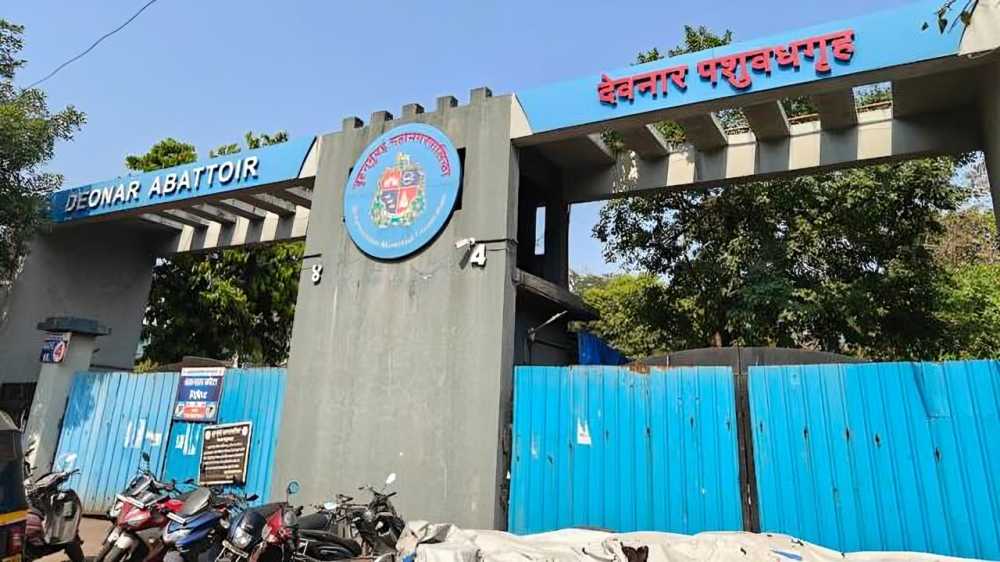
December 15, 2025: Mumbai’s iconic Deonar abattoir, Asia’s largest slaughterhouse, is poised for a significant redevelopment, aimed at modernising and upgrading the facility for the first time since its establishment in 1971. Spread across a 64-acre parcel in Deonar, the civic-run abattoir serves the meat demands of Mumbai and the wider Mumbai Metropolitan Region (MMR), handling buffaloes, sheep, goats, and pigs, with activity peaking during festivals like Bakrid, when over 2 lakh goats and 15,000 buffaloes arrive for sale and religious slaughter.
Despite its scale, traders and butchers have long noted that the facility has struggled to keep pace with modern requirements. To address this, the Brihanmumbai Municipal Corporation (BMC) has proposed a redevelopment plan estimated at Rs 1,250 crore, which aims not only to enhance the abattoir’s capacity but also to introduce a dedicated poultry abattoir capable of processing up to 50,000 birds daily. The plan also includes a skill development centre to provide training and education in the meat industry.
The Deonar abattoir has a rich history. Before its construction, Mumbai’s primary civic slaughterhouse was located in Bandra, established in 1867 to replace meat trading operations in South Mumbai. By the 1920s, concerns about insanitary conditions and inadequate infrastructure prompted calls for a new facility. In response, the BMC earmarked 126 acres in Deonar for a modern slaughterhouse.
To design the new facility, N. E. Wernberg, a consulting engineer from Copenhagen and a United Nations Food and Agriculture Organisation expert, conducted inspections and prepared a detailed plan between 1957 and 1959. His final report, “Slaughter Construction in Bombay,” laid the foundation for the Deonar abattoir, guiding the development of a facility capable of meeting Mumbai’s growing meat demands.
Now, over 50 years later, the BMC aims to bring the abattoir into the 21st century with technological upgrades, expanded capacity, and enhanced facilities, ensuring safety, hygiene, and efficiency while supporting the livelihoods of thousands of stakeholders involved in Mumbai’s meat industry.
Source: The Indian Express


