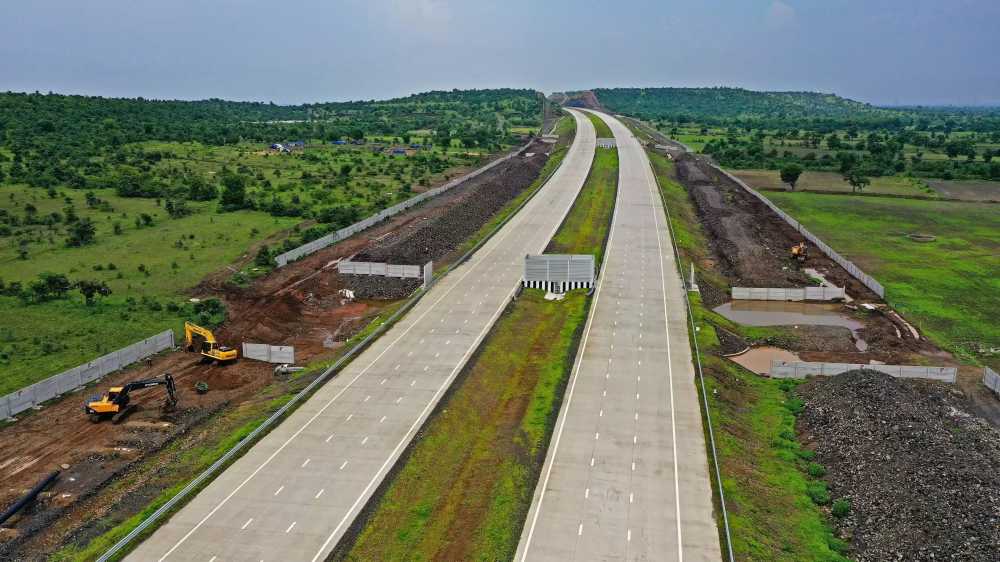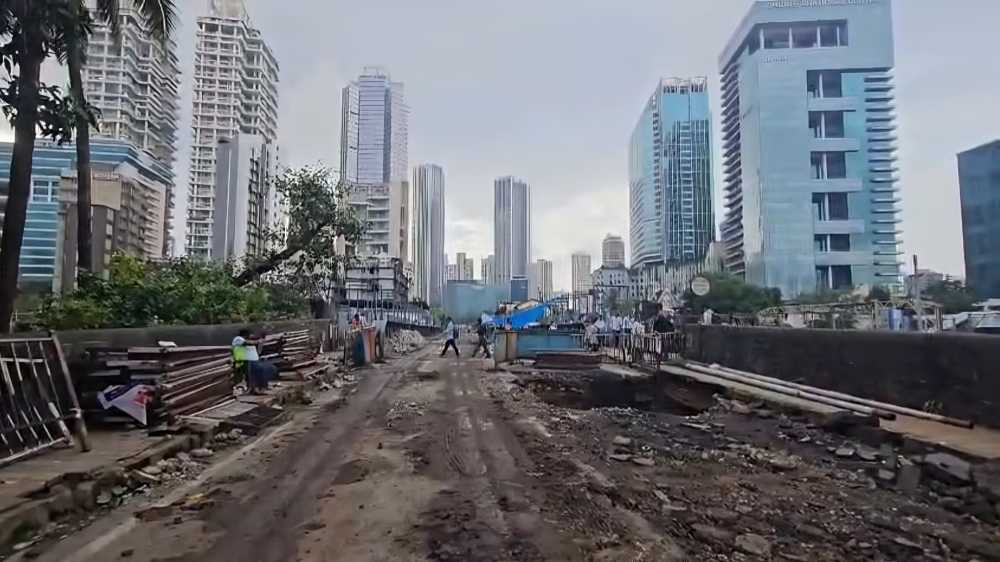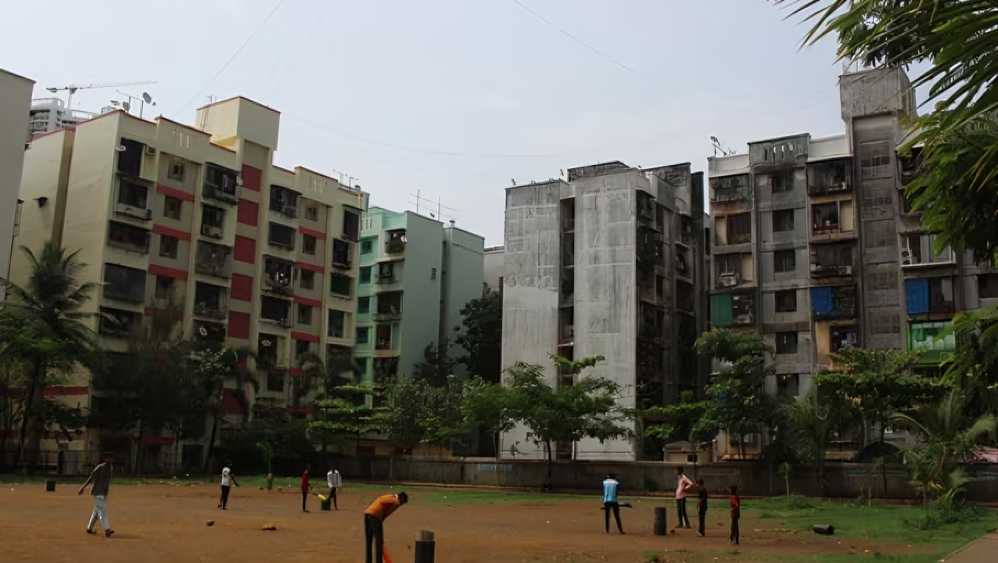

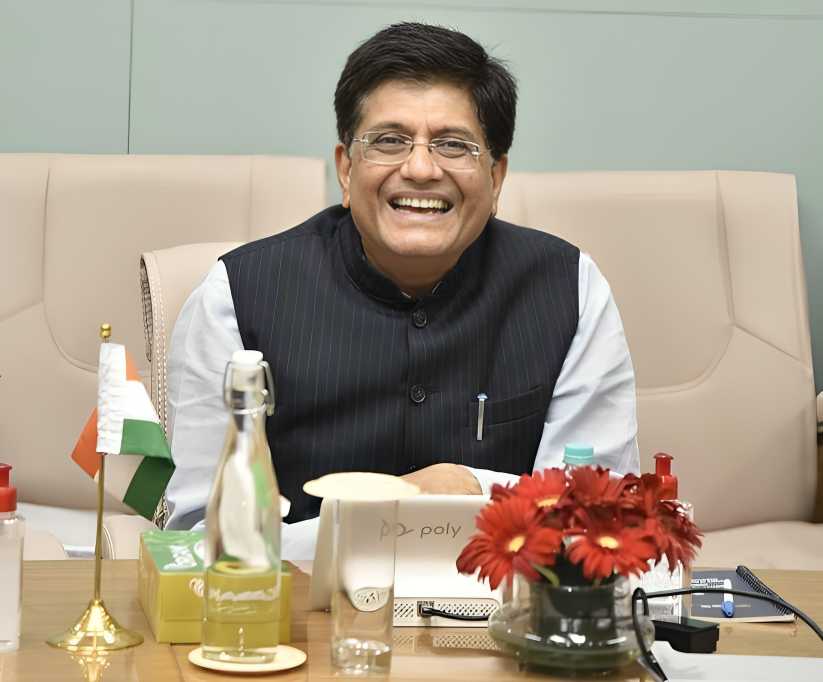
January 27, 2026: Union Minister of Commerce and Industry Piyush Goyal has urged policymakers to encourage a shift towards precast and steel construction techniques to reduce dust pollution in Mumbai and other Indian cities. Speaking at a meeting with businessmen and office-bearers of housing societies at Adarsh Complex in Malad West, Goyal underlined that construction dust remains one of the biggest contributors to urban air pollution and requires structural policy intervention rather than piecemeal restrictions.
Referring to emissions generated during ongoing construction activity, Goyal said that cities need to move away from traditional reinforced cement concrete practices. “Construction dust is a major source of pollution in cities,” he said, noting that many countries rely less on on-site concrete mixing. Drawing comparisons with global practices, he added, “Everywhere in the world, concrete mixers are not used. You see steel and precast structures. They are slightly more costly, but the difference is enormous from the point of pollution.”
The minister argued that while authorities often impose bans on certain construction processes, a more effective approach would be policy-driven encouragement of cleaner alternatives. He called for financial incentives and concessions for developers who adopt precast and steel methods, which are known to reduce on-site dust, limit debris, and speed up project completion. Goyal also shared a personal intervention from his constituency, recalling how he removed “four to five RC mixers to cut down dust pollution.”
To accelerate implementation, Goyal proposed coordination between the Centre and the Maharashtra government, stating that he would raise the issue with Chief Minister Devendra Fadnavis. According to industry experts, although precast and steel construction can involve higher upfront costs, these are offset over time through improved air quality, lower health risks, and reduced maintenance expenses.
Beyond construction practices, Goyal highlighted the need for better urban planning. He said municipal bodies should earmark public land for cultural, religious, and sports activities to prevent unplanned usage that strains city infrastructure. While briefly mentioning his recent engagement on the India–European Union Free Trade Agreement in Brussels, the minister stressed that his focus at the meeting remained firmly on local urban challenges and sustainable development.