
January 28, 2026: Mumbai’s redevelopment segment is increasingly drawing institutional capital, with developers and financial investors adopting structured, multi-partner ownership models to unlock value in land-scarce urban areas. A recent transaction highlights this shift, as a city-based real estate developer acquired a minority stake in a special purpose entity set up to undertake a redevelopment project within the Mumbai Metropolitan Region, underscoring rising confidence in infill-led urban renewal.
Public filings indicate that the developer has taken a 29.42% stake in a limited liability partnership established specifically for the project. The partnership also includes participation from an alternative investment fund and a corporate entity linked to the gaming and hospitality sector, illustrating the growing diversity of capital flowing into Mumbai’s real estate ecosystem. Urban planners note that such collaborative structures are becoming more prevalent as redevelopment projects increase in scale and operational complexity.
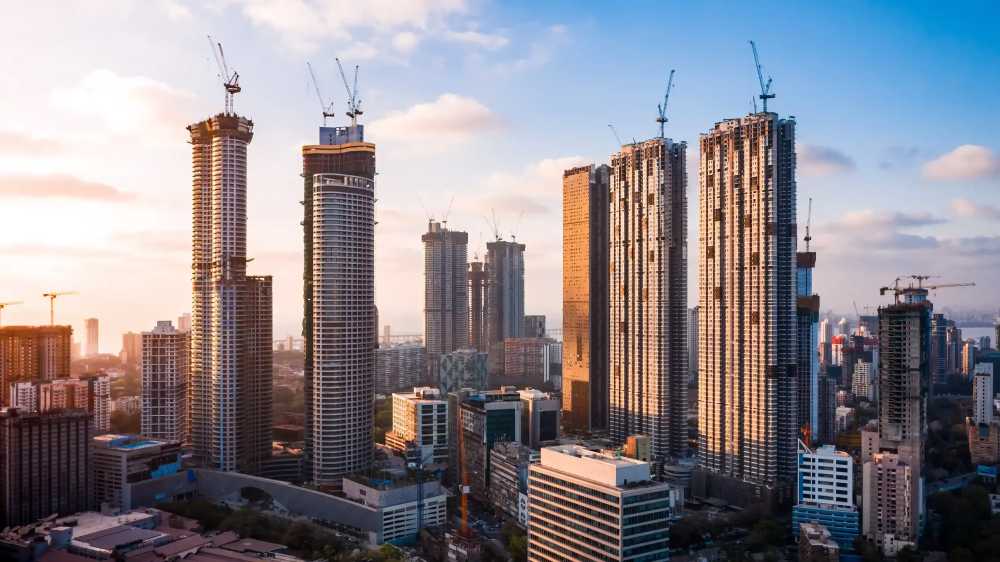
Most redevelopment sites are located in dense, fully built neighbourhoods, often involving lengthy approval processes, negotiations with multiple stakeholders, and phased construction schedules. By sharing equity and risk among several partners, developers can maintain balance sheet flexibility while ensuring adequate funding throughout the project lifecycle. This approach is gaining traction as redevelopment becomes the primary source of new housing supply in the city.
Mumbai’s redevelopment pipeline has expanded steadily over the past decade, driven by ageing building stock, scarcity of greenfield land, and policy incentives promoting urban renewal. Industry estimates suggest that more than half of the city’s residential buildings are over 30 years old, creating sustained demand for redevelopment-led housing. At the same time, rising construction costs and stricter regulatory oversight have made single-developer execution more challenging.
The participation of alternative investment funds reflects sustained institutional appetite for redevelopment assets, particularly in established neighbourhoods with strong end-user demand and proximity to employment hubs and transit networks. Experts say diversified capital structures can also improve project outcomes for residents by supporting timely execution and adherence to rehabilitation commitments.
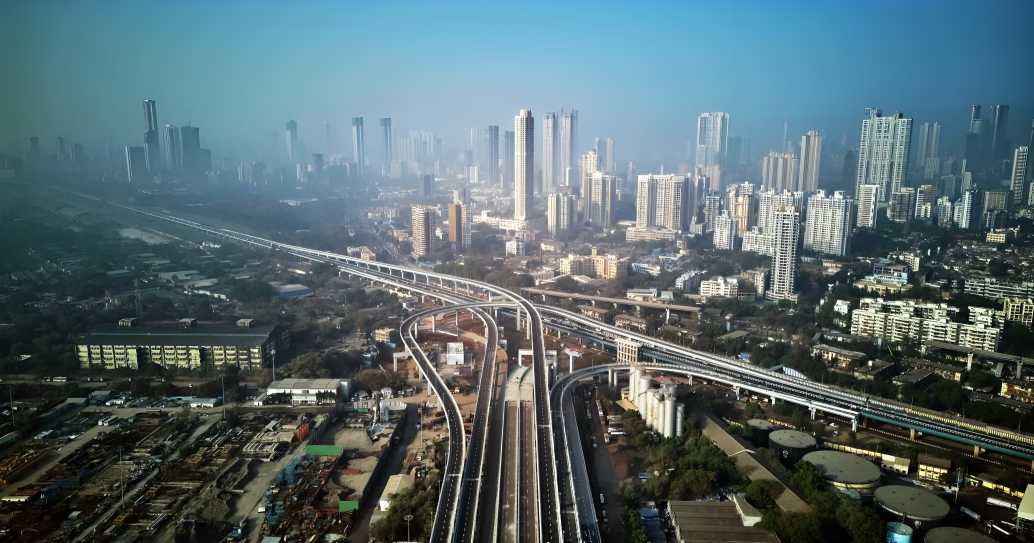
From a broader urban planning perspective, redevelopment remains central to Mumbai’s sustainability strategy. Rebuilding within existing footprints allows the city to add housing supply without expanding outward, reduce environmental pressure on peripheral areas, and support transit-oriented growth. As Mumbai balances growth with resilience, analysts expect structured, multi-investor redevelopment models to gain further momentum across key micro-markets.