
January 28, 2026: West India’s real estate market demonstrated notable resilience through 2025, underscoring a shift toward stability driven by fundamentals rather than speculative momentum. Across key cities such as Mumbai, Pune, and Ahmedabad, the focus remained firmly on value, quality, and long-term sustainability. Demand stayed healthy, prices firmed up, and both developers and buyers exhibited a more mature, measured approach to the market.
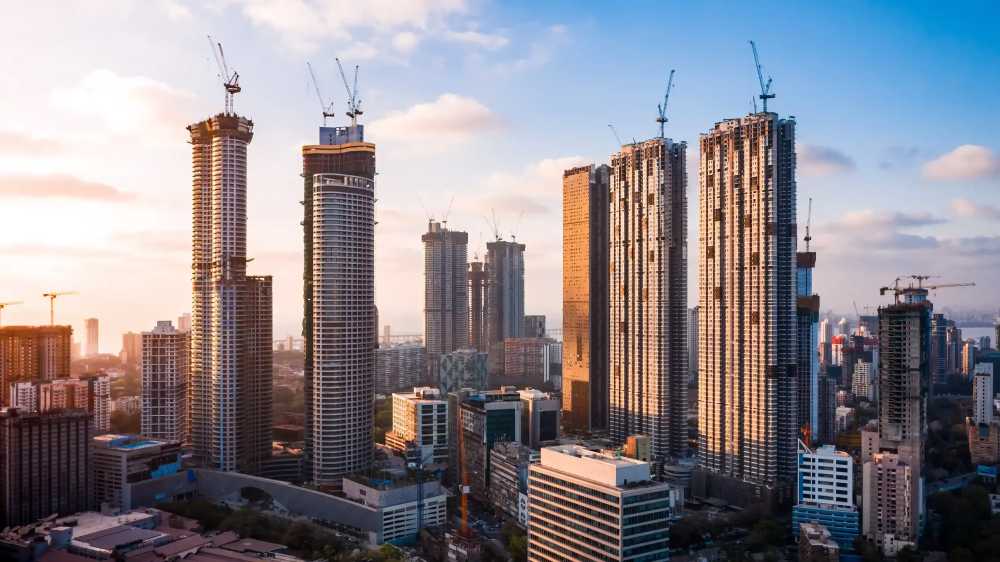
The Mumbai Metropolitan Region (MMR) continued to set the tone for sentiment and pricing. During the September quarter, Mumbai recorded the highest housing sales among India’s top seven cities, accounting for nearly one-third of total national sales. While overall housing unit volumes across the country declined by 9% year-on-year, the total value of transactions increased, reflecting a decisive tilt toward premium housing.
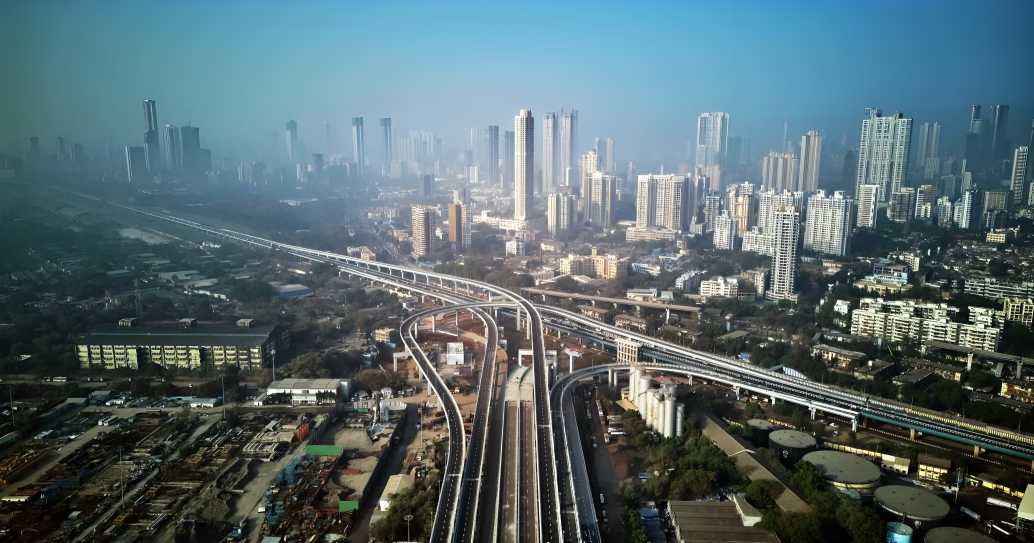
Andheri West stood out as a leading micro-market, where premium homes with ticket sizes between Rs 4 crore and Rs 7 crore saw strong and swift absorption. End-users drove this demand, prioritising credibility, execution quality, and transparency over aggressive marketing. Infrastructure upgrades, metro expansion, and improved east–west connectivity further reinforced the area’s appeal, while disciplined supply helped sustain pricing strength.
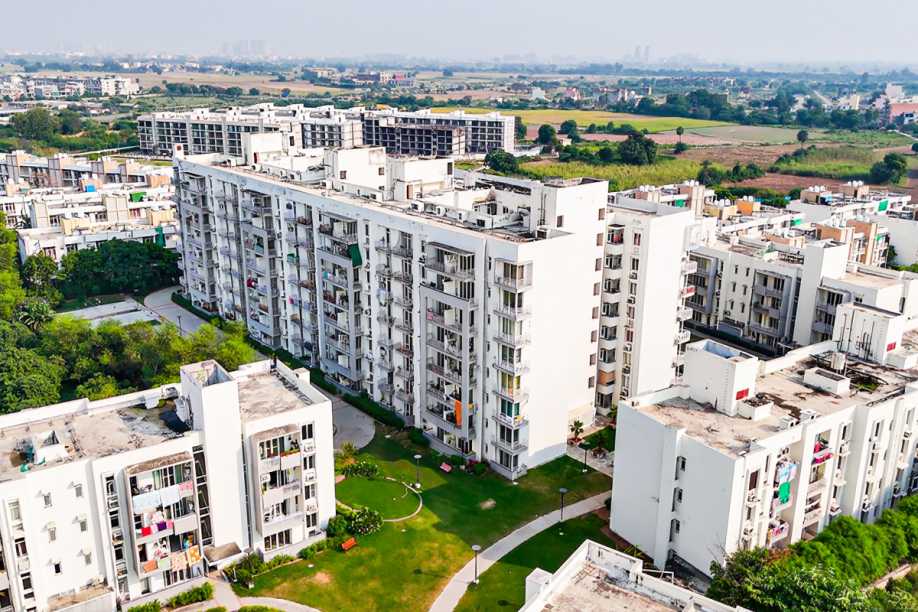
Pune, meanwhile, led on volumes and depth. The city registered over 13,500 property registrations in September 2025, marking a 23% annual increase. Nearly 85% of transactions were priced below Rs 1 crore, highlighting Pune’s dominance in the mid-income segment. Strong employment centres, infrastructure growth, and reliable developer delivery continued to underpin buyer confidence, particularly in western corridors such as Hinjewadi, Baner, and Wakad.
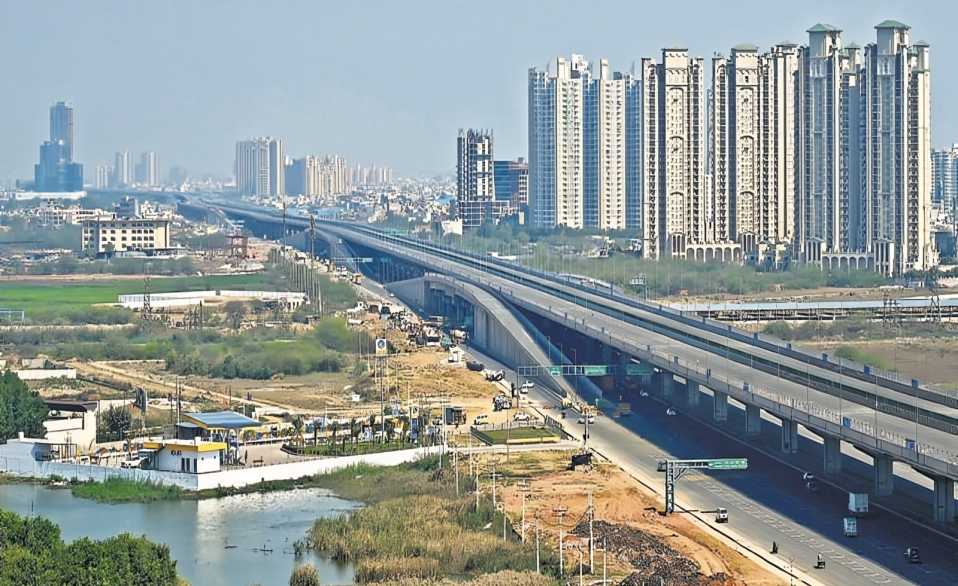
Ahmedabad retained its position as India’s most affordable large-scale housing market. With average prices around Rs 4,800 per sq ft and an affordability ratio close to 18%, homeownership remained accessible for salaried buyers. Disciplined supply and infrastructure investments, including metro expansion and the GIFT City corridor, supported steady, sustainable growth.
Across West India, the housing mix has evolved since 2021, with a reduced share of affordable launches and a growing presence of luxury and upper-premium supply. Even with fewer units sold, total housing sales value across the top seven cities rose 14% in the September quarter to nearly Rs 1.5 trillion, reflecting a maturing buyer mindset.
Looking ahead to 2026, MMR is expected to continue leading in value and premium redevelopment, Pune to sustain its mid-income strength while scaling up premium offerings, and Ahmedabad to remain the affordability anchor. With disciplined developers, informed buyers, and visible policy and infrastructure support, West India’s real estate cycle is increasingly defined by long-term conviction and sustainable growth rather than short-term volatility.