
Mumbai’s property market, long seen as a barometer of the city’s economic momentum, is undergoing a clear structural shift. As the market heads into 2026, mid-luxury housing has emerged as the fastest-growing and most stable residential segment across the Mumbai Metropolitan Region (MMR), driven by fundamentals rather than speculative sentiment.
Industry data highlights the scale of this transition. In Q2 2025, close to 70 per cent of new residential launches in MMR were concentrated in the mid-segment. Demand has been strongest in suburban corridors and emerging peripheral locations, where buyers are securing better value through efficient layouts, contemporary amenities and improved connectivity, without paying the sharp premiums associated with core luxury pockets. Positioned between aspiration and affordability, the segment has expanded rapidly in both supply and absorption.
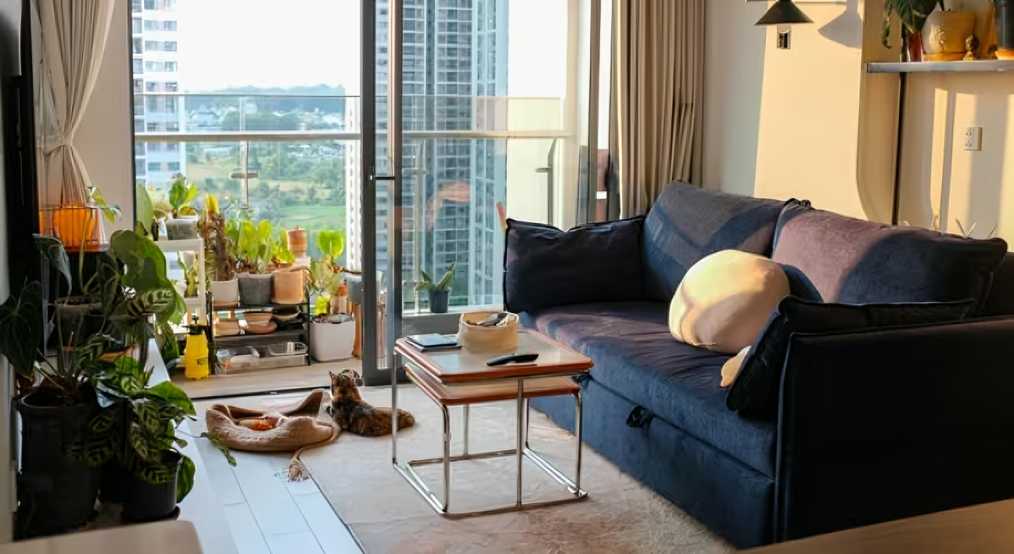
Market conditions have further supported this growth. Although property prices have firmed over the past year, price increases have moderated, while interest rates have remained largely stable. This has restored purchasing confidence among mid-income and upper-middle-income buyers. For many, homeownership now represents an upgrade in lifestyle rather than a purely financial investment, with spacious two- and three-bedroom homes and lifestyle amenities becoming standard expectations within mid-luxury developments.
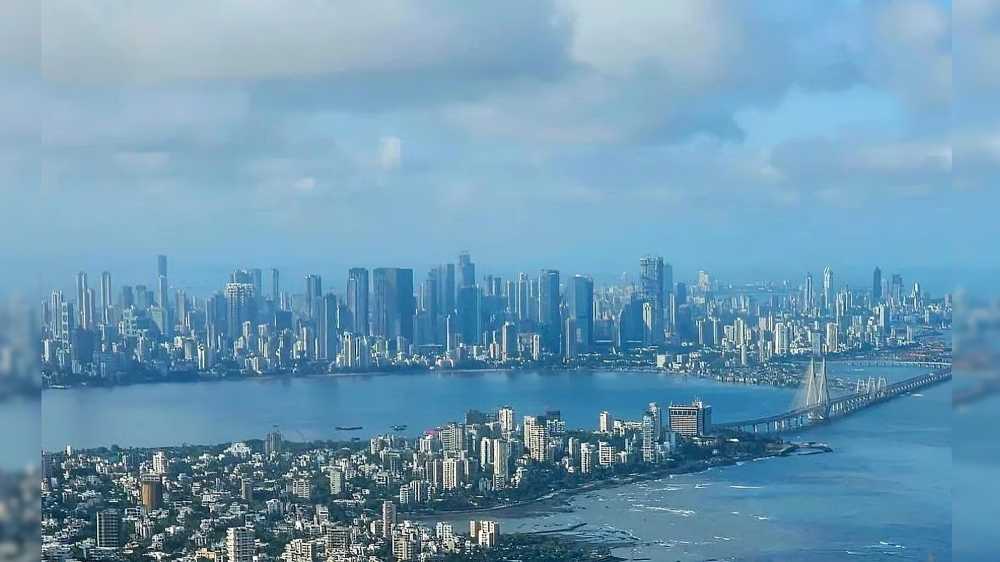
Infrastructure expansion has been a decisive catalyst. Projects such as the Mumbai Trans Harbour Link have significantly improved access to Navi Mumbai, shifting demand towards Ulwe and Panvel. Metro Lines 3 and 5, the Goregaon-Mulund Link Road and Coastal Road extensions are reducing commute times, enhancing the appeal of eastern and western suburbs. These improvements have reshaped perceptions of location value, encouraging buyers to move beyond congested central areas in favour of predictable connectivity and daily convenience.
The upcoming Navi Mumbai International Airport is expected to further accelerate this trend by creating new employment hubs and reinforcing demand for value-driven housing. Importantly, the mid-luxury segment remains largely end-user driven, resulting in healthier absorption, limited inventory build-up and more sustainable pricing compared to ultra-luxury housing.
Redevelopment is also contributing steadily, transforming ageing societies into modern residential clusters while retaining established neighbourhood advantages. With infrastructure nearing completion and end-user confidence strengthening, mid-luxury housing is set to dominate residential sales growth across MMR in 2026, offering a balanced mix of scale, stability and long-term viability.