
December 24, 2025: Commuters travelling between Pune and Mumbai could soon benefit from a much faster and safer journey, as the National Highways Authority of India (NHAI) has approved the detailed project report (DPR) for a new high-speed expressway connecting the two cities. The proposed project is an eight-lane, access-controlled corridor with an estimated investment of Rs 15,000 crore.
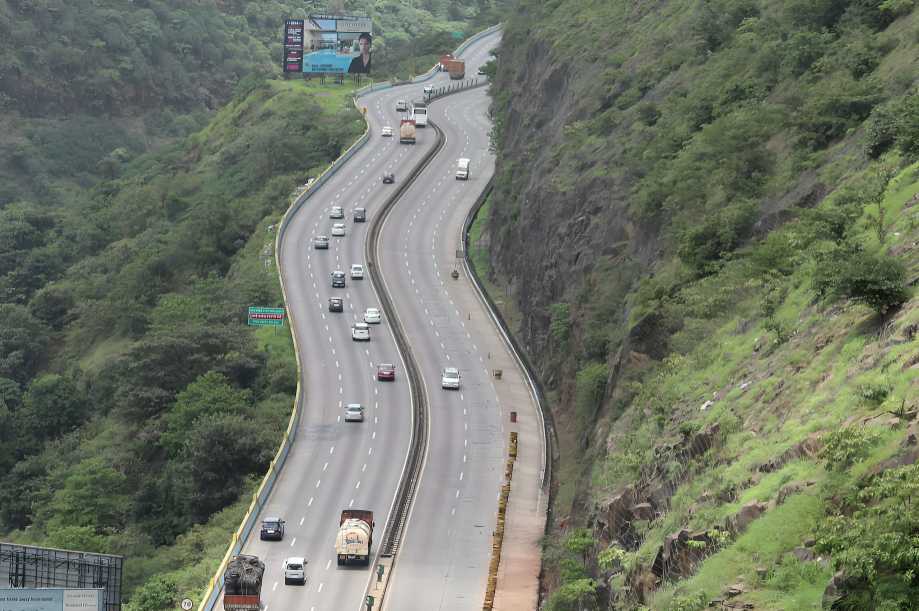
The new expressway is being planned to ease mounting congestion on the existing Mumbai–Pune Expressway, which has increasingly struggled with heavy traffic volumes and safety concerns. Once operational, the corridor is expected to bring down travel time between Pune and Mumbai to around 90 minutes under normal traffic conditions, offering a major upgrade in intercity mobility.
Designed as a modern, high-capacity road, the expressway will integrate seamlessly with key infrastructure projects at both ends. On the Mumbai side, it will connect to the Atal Setu (Mumbai Trans Harbour Link), while on the Pune side, it will link with the city’s upcoming Ring Road. Together, these connections are expected to form a continuous, high-speed transport network across western Maharashtra, improving regional connectivity and supporting economic activity.
Explaining the rationale behind the project, Sanjay Kadam, Project Director for NHAI Pune, said, “The existing Pune-Mumbai e-way has reached saturation… This new expressway will ensure smoother, faster, and safer travel.” His remarks underline the urgency of creating additional infrastructure capacity to meet rising commuter and freight demand between the two major urban centres.
With the DPR now cleared, the project will move into the next stage of approvals and procedural formalities. Construction is expected to begin once these clearances are in place. NHAI officials have indicated that the authority is targeting completion within three years from the start of construction.
Once built, the new expressway is expected not only to reduce travel time but also to improve road safety, decongest existing routes, and support long-term urban and industrial growth along the Mumbai–Pune corridor.