
December 26, 2025: India’s infrastructure push delivered visible results in 2025, as several long-awaited and high-impact projects finally opened for public use. The year marked a shift from prolonged execution timelines to phased delivery, with airports, expressways, tunnels and metro systems reaching key operational milestones. While some projects became fully functional, others moved closer to completion, setting the stage for further openings in early 2026.
One of the most significant developments was the commencement of operations at the Navi Mumbai International Airport. Built at an estimated cost of Rs 18,000–20,000 crore, the greenfield airport was conceived to ease mounting pressure on Mumbai’s saturated aviation infrastructure. With an initial capacity of around 20 million passengers annually, the airport is expected to cut congestion, reduce delays and significantly shorten surface travel time for flyers from Navi Mumbai, Panvel, Ulwe and nearby regions. Over time, it is also poised to emerge as a major cargo and logistics hub, boosting regional economic activity.
Another milestone was the full opening of the 701-km Samruddhi Mahamarg, or Mumbai–Nagpur Expressway. Developed at a cost of about Rs 55,000 crore, the access-controlled corridor has halved travel time between the two cities to roughly eight hours. Beyond faster journeys, the expressway is strengthening Maharashtra’s logistics network and supporting balanced regional growth by linking agricultural belts, industrial zones and ports.
In the north, the Sonamarg (Z-Morh) Tunnel in Jammu and Kashmir became operational after an investment of around Rs 2,700 crore. Designed to bypass avalanche-prone stretches, it has enabled near all-weather connectivity, improved safety and bolstered tourism and strategic movement towards Ladakh.
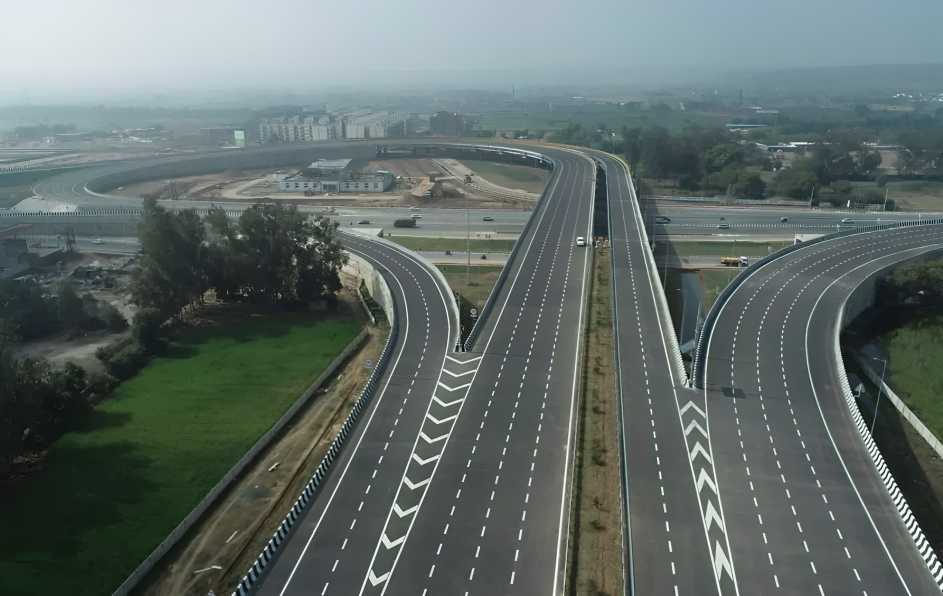
Urban mobility also saw major gains. The Dwarka Expressway in the National Capital Region eased congestion between Delhi and Gurugram, while Mumbai Metro Line 3, the fully underground Aqua Line, brought faster and more reliable travel through the city’s core. Delhi’s Urban Extension Road-II further improved traffic distribution by diverting through-traffic away from crowded neighbourhoods.
Together, these projects underline how India’s infrastructure pipeline is now translating into tangible benefits on the ground, reshaping mobility, logistics and urban life across regions.