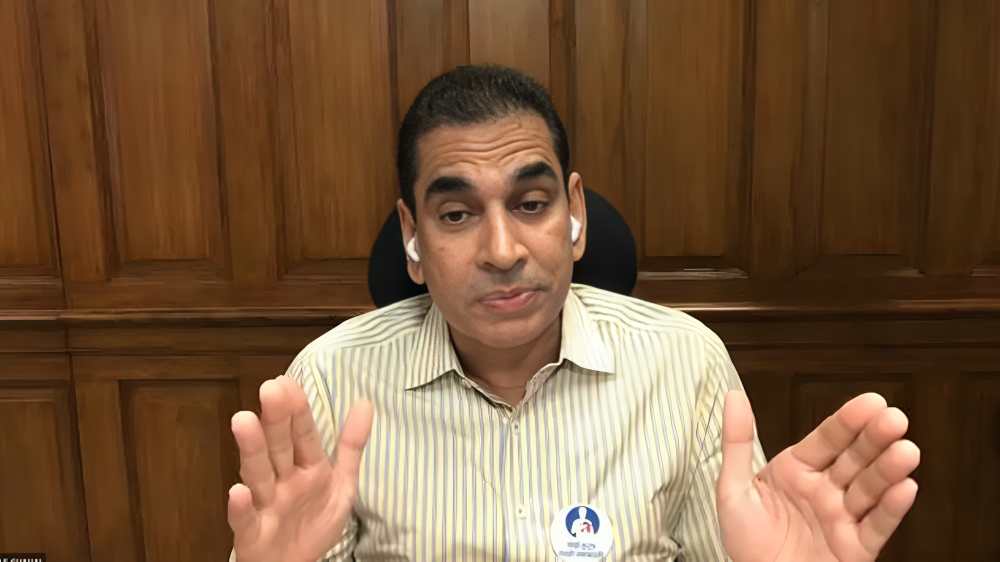

January 24, 2026: The Maharashtra government on Wednesday appointed former civic chief Iqbal Singh Chahal as Chairman of the Mumbai Police Housing Township Project, a position accorded the rank of Minister of State (MoS), for a tenure of five years. The appointment follows cabinet approval for the large-scale housing initiative aimed at easing accommodation challenges faced by Mumbai Police personnel.
The project is expected to provide long-term housing relief to a police force of over 50,000 personnel, many of whom commute long distances due to high property prices within the city. The initiative proposes the construction of up to 40,000 residential units in a phased manner to replace inadequate and deteriorating police housing stock.
In the first phase, around 5,000 new homes will be developed across nearly 75 land parcels in Mumbai. These residences will primarily cater to personnel ranging from Police Sub Inspector to Police Inspector ranks, along with select senior officers. Over time, the project is planned to scale up to its full target of 40,000 units.
The housing development will be spread across nearly 50 million square feet of land in the city and suburbs, with an estimated project cost of approximately Rs 20,000 crore. Funding will be structured with the state government contributing 30% of the total cost, while the remaining 70% will be raised by the Maharashtra State Infrastructure Development Corporation through loans from financial institutions.
The Government Resolution approving the project highlighted the operational need for police personnel to live closer to their workplaces in a city frequently facing emergencies, natural disasters, and large public events. It noted that more than half of the force currently commutes “80 – 100 km daily” from areas such as Virar, Palghar, Karjat, and Panvel, impacting efficiency and morale.
Mumbai Police currently has 51,308 personnel, but only 19,762 service residences, many of which are outdated and structurally unsound, according to the GR.
Outlining Chahal’s role, the government said the project requires extensive planning, inter-agency coordination, financial oversight, and time-bound execution. The GR stated that appointing a senior retired officer was “expedient and necessary” to ensure effective leadership and timely implementation of the project.