
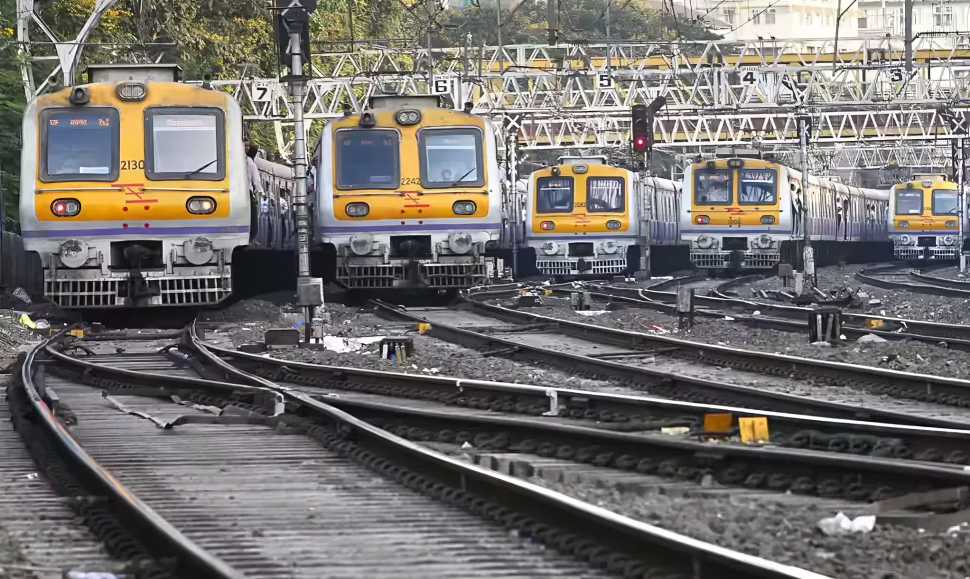
Daily commuters on Mumbai’s suburban railway system are escalating demands for corrective action as frequent delays, cancellations, and inconsistent services continue to disrupt travel on major routes, especially the Central and Harbour lines. The issue has taken centre stage in debates on urban mobility, given that local trains form the backbone of affordable, low-emission transport for millions of office-goers and students across the metropolitan region.
Commuter organisations have highlighted recurring disruptions on routes towards Kasara and Karjat, identifying afternoon services as a persistent trouble spot. According to passenger representatives, irregular train operations during off-peak hours often trigger sudden overcrowding when services are delayed or cancelled, increasing safety risks and disrupting daily routines. The lack of timely and accurate information during such disruptions has further intensified frustration among travellers.
During recent discussions with senior railway operations officials, commuter groups underlined that punctuality should be judged by actual on-ground performance rather than policy commitments. They stressed that service reliability is not merely about convenience but is essential for economic participation in a city where long commutes are unavoidable for many residents pushed to peripheral areas by high housing costs. Urban transport experts noted that lower- and middle-income commuters are the most affected, as they rely heavily on suburban rail for cost-effective mobility.
Premium AC local trains have also drawn criticism, with passengers questioning why higher fares have not delivered better punctuality. Delays of over 30 minutes remain common, while the prioritisation of long-distance mail and express trains during operational stress is seen as a structural constraint affecting suburban schedules.
Railway authorities have acknowledged capacity limitations and pointed to ongoing infrastructure works, including platform extensions and the phased rollout of 15-coach trains, as measures to ease congestion. However, planners warn that prolonged construction without interim stabilisation of services risks eroding public trust.
From a sustainability standpoint, dependable suburban rail services are vital to reducing car dependence, traffic congestion, and emissions. Experts argue that alongside infrastructure expansion, stronger accountability, transparent performance metrics, and real-time passenger communication are critical. As Mumbai’s urban footprint expands, restoring punctual and reliable suburban rail services will remain key to inclusive and sustainable mobility.