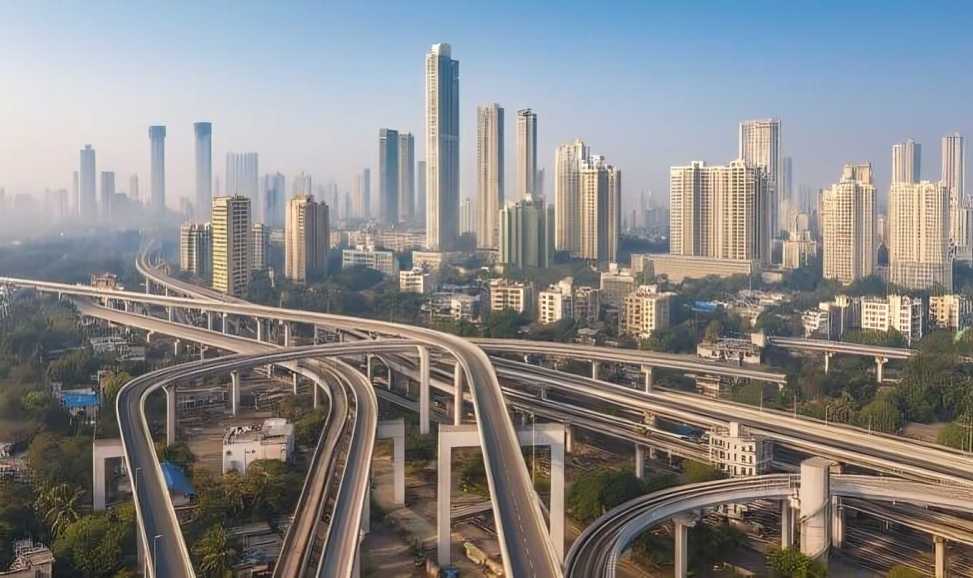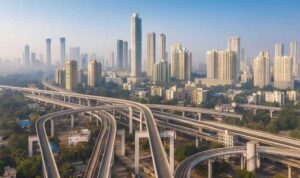

In a major push to decongest one of Maharashtra’s busiest travel corridors, the Mumbai Metropolitan Region Development Authority (MMRDA) has announced an ambitious ₹1,102.75 crore infrastructure project aimed at enhancing connectivity between Mumbai and Pune. Scheduled for completion by February 2027, the project will introduce two elevated corridors, seamlessly linking the Mumbai Trans Harbour Link (MTHL) with the Mumbai-Pune Expressway. With traffic volumes on these key routes rising steadily, the initiative is set to transform regional travel, benefiting both daily commuters and freight operators.
MMRDA Commissioner Dr. Sanjay Mukherjee emphasised that the new corridors would significantly ease congestion, particularly at critical junctions along National Highway 348. The project is structured around two major components designed to enhance road capacity and smoothen traffic flow. The first is a 4,958-meter elevated corridor connecting Chirle on the MTHL to Gavan Phata, enabling uninterrupted movement toward the Mumbai-Pune Expressway. The second is a 1,700-meter elevated stretch linking Palaspe Phata to the expressway. Both corridors will feature six-lane highways, reducing traffic bottlenecks and streamlining vehicle movement. Additionally, the plan includes service road reconstruction along NH-348 and the widening of NH-48 in Raigad district, ensuring a holistic approach to traffic decongestion.
Beyond road expansion, the project is expected to reshape urban mobility patterns. Dr. Mukherjee highlighted its potential to boost workforce mobility, making it feasible for professionals to live in Pune while working in Mumbai. This shift could help alleviate housing demand pressures in Mumbai while stimulating Pune’s real estate market and economic growth.
As Mumbai continues to grapple with severe traffic congestion, the new elevated corridors are anticipated to cut down vehicle idle time, leading to reduced fuel consumption and lower carbon emissions. The initiative aligns with Maharashtra’s broader sustainability goals, integrating environmentally responsible urban planning into its infrastructure strategy. By reducing congestion, the project will improve air quality, minimize fuel wastage, and enhance logistics efficiency for businesses.
Despite the scale of investment, urban planners stress the need for long-term, multimodal transport solutions beyond just expanding road networks. Experts suggest that integrating metro, rail, and bus rapid transit systems alongside road infrastructure would create a more sustainable urban transport ecosystem. Reducing reliance on private vehicles through better public transport and last-mile connectivity solutions remains a key challenge.
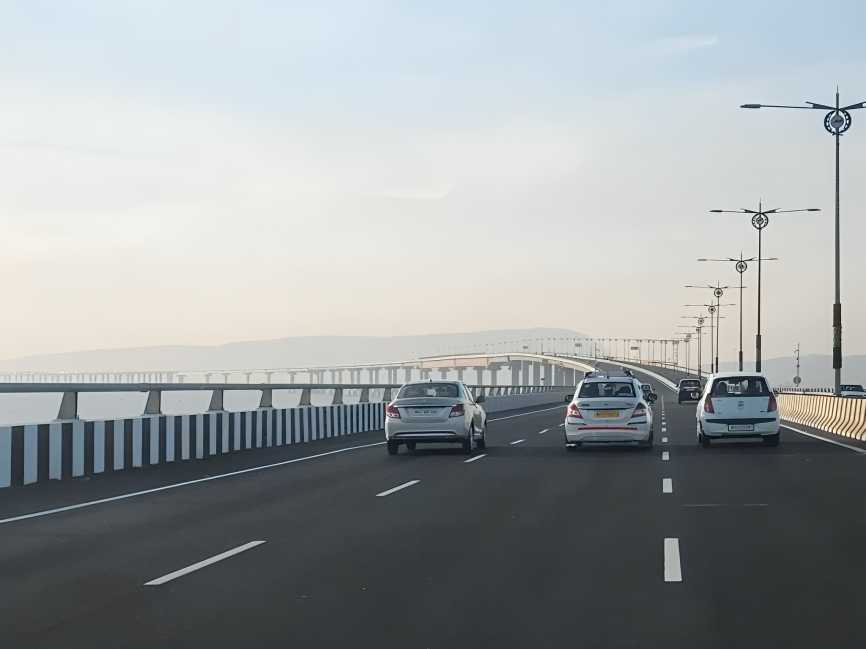
The Mumbai-Pune corridor is more than just a transport route; it serves as Maharashtra’s economic lifeline, supporting business, tourism, and trade. While the Atal Setu (MTHL) has already bolstered connectivity between Mumbai and Navi Mumbai, this latest infrastructure project aims to enhance intercity travel efficiency further. A comparison with other global metropolitan regions underscores the continuous need for transport upgrades to accommodate rising urban populations and growing vehicle numbers.
Though the project represents a significant step toward smarter urban connectivity, civic experts argue that its success will hinge on timely execution and effective integration with existing transport networks. As Maharashtra’s urban landscape evolves, MMRDA’s ambitious initiative marks a crucial milestone in the pursuit of a more connected and efficient cityscape.
Source: Urban Acres