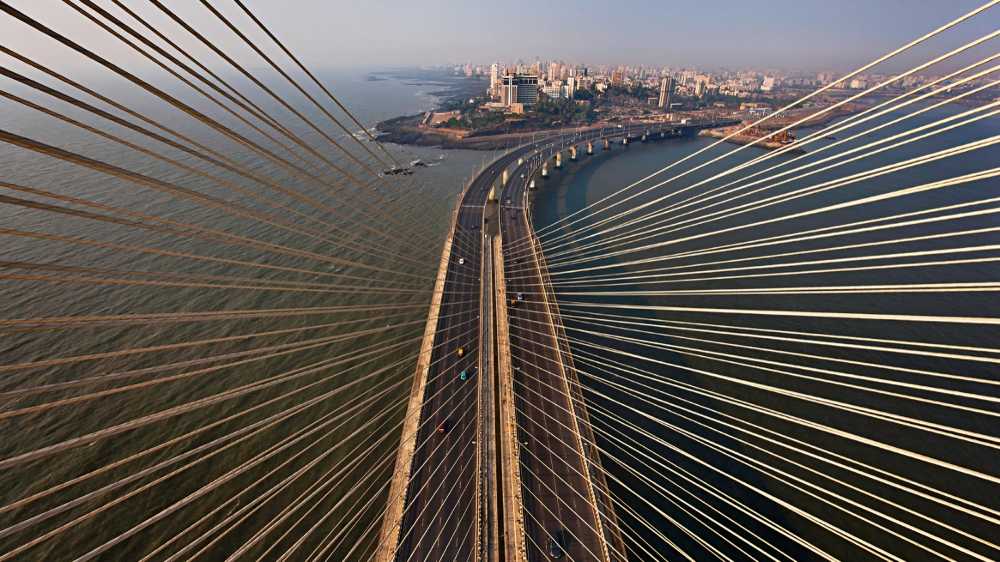

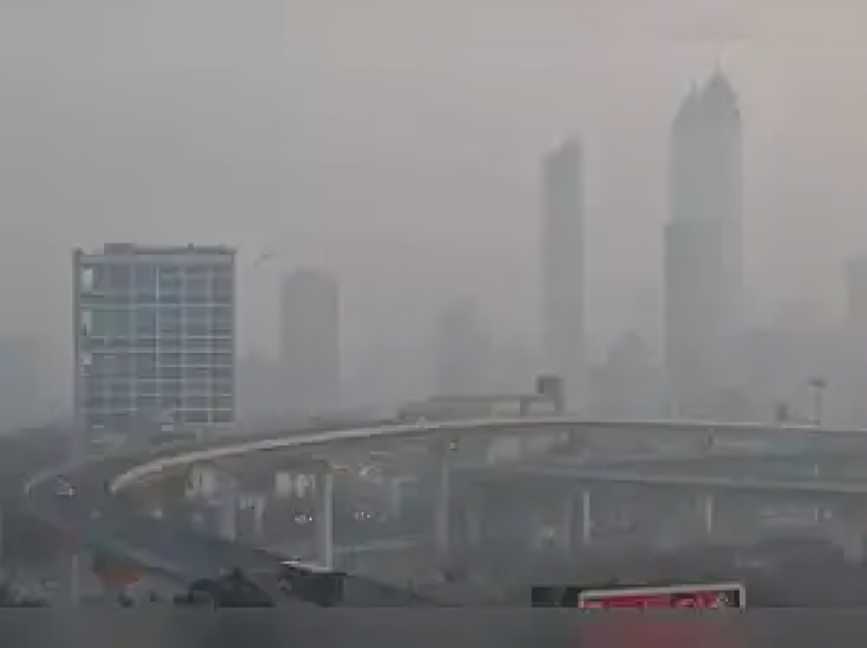
December 1, 2025: Mumbai’s worsening air quality continues to draw concern, with experts pointing to the expanding construction landscape and traffic emissions as key contributors. The city recorded an average Air Quality Index (AQI) of 104 on Sunday, falling in the ‘moderate’ category, though pockets like the Bandra Kurla Complex experienced levels in the ‘severe’ range. According to Angshuman Modak, a climate scientist at IIT Bombay, the rise in pollutants is largely due to “construction activities and vehicular emissions” across Mumbai and its surrounding urban areas. The region is undergoing major redevelopment, with multiple Metro lines, roadworks, bridges, and high-rise projects replacing older housing and industrial structures.
India Meteorological Department scientist Sushma Nair also linked deteriorating air quality to ongoing infrastructure activity, while explaining the weather patterns that worsen pollution during this seasonal transition. She said temperature inversion, clear skies, and low wind speeds trap cold air beneath a warmer layer, preventing pollutants from dispersing. Mumbai’s dense and tall buildings further reduce natural air flow, intensifying the problem.
Political reactions have begun to surface, with Shiv Sena (UBT) chief Uddhav Thackeray criticising the government and calling the situation an outcome of “an explosion of corruption” with no planning. The Brihanmumbai Municipal Corporation (BMC) has outlined several measures, including shifting bakeries and crematoriums to cleaner fuels, expanding electric bus usage, managing construction debris scientifically, and deploying water-sprinkling machines. In the past year, BMC issued dust-control guidelines and has already served stop-work notices to 53 construction sites across multiple wards.
Additional Municipal Commissioner Ashwini Joshi reviewed AQI monitoring systems at construction sites, noting that 662 sensors have been installed, with 117 currently inactive. She warned of strict action through 95 ward-level squads if systems remain non-operational. The BMC also identified bakeries as emission sources, with several now transitioning to clean fuel.
Health impacts remain significant, with the World Health Organisation linking air pollution to increased risk of mortality and diseases such as stroke, heart disease, COPD, lung cancer, pneumonia, and other long-term conditions.
Source: The Economic Times