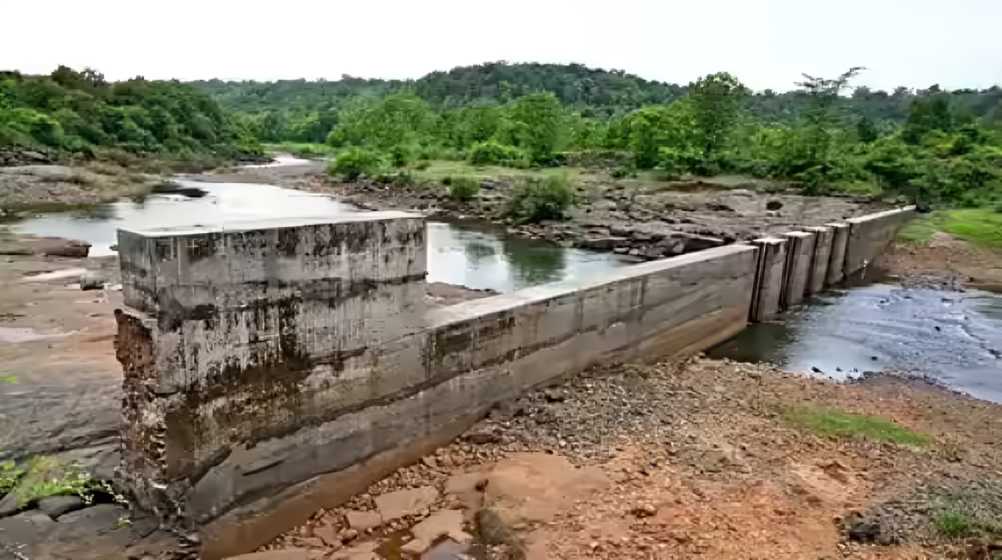

December 11, 2025: The Brihanmumbai Municipal Corporation has issued a Rs 3,000-crore tender to build the long-awaited Gargai dam in Palghar district, signalling a major push to expand Mumbai’s water supply network. The plan includes a 69-metre dam and a 1.6-km tunnel linking Gargai to Modak Sagar by cutting through the hill separating the two reservoirs, marking a significant advancement in the city’s long-pending water infrastructure upgrade.
Once commissioned, the new reservoir is expected to contribute 440 MLD of drinking water to Mumbai, becoming the first addition to the city’s storage capacity since Middle Vaitarna came online in 2014. The project is designed to improve supply reliability for the rapidly expanding metropolitan region.
Gargai will use roller-compacted concrete technology, the same method deployed at Middle Vaitarna, enabling faster construction and ensuring structural strength in the challenging terrain. The blueprint also includes a 1,200-kilowatt hydropower unit that will generate electricity from water discharge, helping offset the long-term energy costs of operating the reservoir and improving the project’s sustainability quotient.
One of the biggest hurdles is the relocation of nearly three lakh trees that lie within the project footprint. Transplantation will be carried out across nearby villages, and compensatory afforestation has been proposed over 658 hectares of land in Washim, Chandrapur and Hingoli.
Six affected villages will be fully relocated to Devali in Wada taluka. The resettlement plan promises complete civic infrastructure, including housing, roads, water facilities and essential services, to support a smoother transition for displaced families.
Before construction can begin, the dam still needs key environmental clearances from state and central authorities, including wildlife approvals, because of the ecologically sensitive surroundings. The execution has been planned in phases: the first year will focus on permissions and preparing relocation infrastructure, core dam construction will follow in the second year, and installation of mechanical and electrical systems—including the hydropower unit—will take place in the third.
Source: The Times of India