
December 15, 2025: The Mumbai Metropolitan Region Development Authority (MMRDA) is spearheading one of India’s largest urban transformation efforts, anchored by a long-term vision aligned with Viksit MMR 2047. With an infrastructure pipeline estimated at USD 100 billion, a 337-km Metro network expansion, new ring roads, and emerging economic corridors, the authority is reshaping how the Mumbai Metropolitan Region (MMR) will grow over the next two decades.
Speaking at the Indian Debt Capital Market Summit 2025, MMRDA Metropolitan Commissioner Dr Sanjay Mukherjee outlined a development strategy centred on equity, public good, and world-class mobility. He said the focus was not merely on physical expansion but on inclusive growth that reaches all parts of the region and improves everyday life for citizens.
MMRDA’s $100 billion investment pipeline is among the largest urban funding programmes in the country. The capital is being channelled into transport, connectivity, and urban infrastructure projects designed to support long-term economic growth while ensuring sustainability, resilience, and accessibility. According to the authority, the emphasis is on creating assets that will serve future generations rather than short-term fixes.
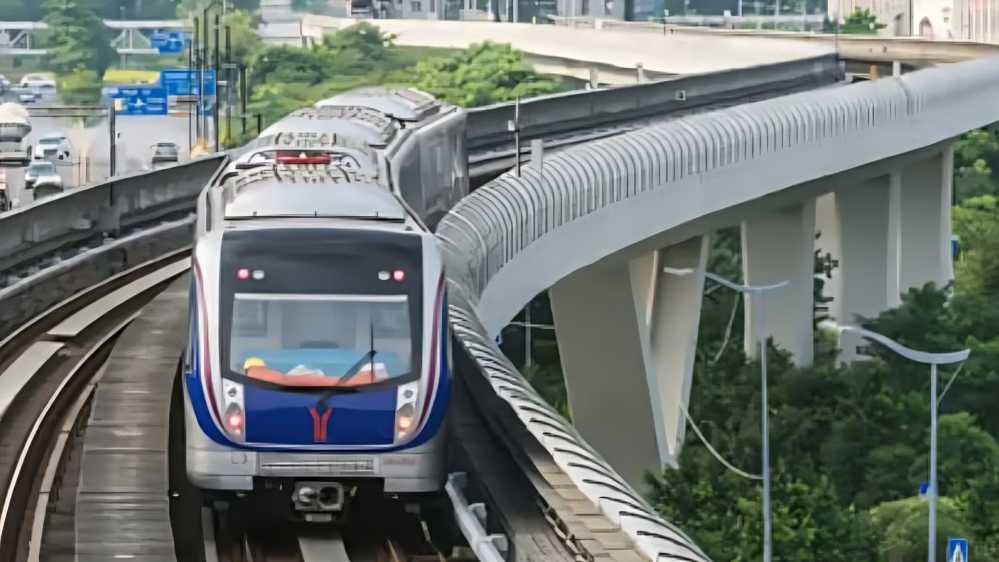
A cornerstone of this transformation is the expansion of the Mumbai Metro. The planned 337-km network is intended to provide affordable, clean, and seamless public transport across the MMR. Once fully operational, it is expected to significantly cut travel times, ease congestion on roads and suburban rail, and improve air quality. Importantly, the Metro is being designed as a regional system, linking suburbs, satellite towns, and emerging growth centres.
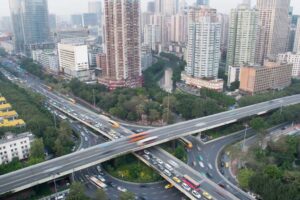
Alongside rail-based mobility, MMRDA is developing a comprehensive ring road network connecting South Mumbai with Thane, Virar, Palghar, and other key nodes. This is expected to decongest arterial roads and support logistics, housing,g and industrial activity. Major projects such as Atal Setu are already unlocking new economic corridors, particularly towards Navi Mumbai.
At the core of this roadmap is Mumbai 3.0, envisioned as a fourth-generation, polycentric region that moves beyond a single-city model. The goal is balanced, inclusive, and sustainable growth across the metropolitan region, with infrastructure acting as a catalyst for social equity and economic resilience.
Source: The Free Press Journal