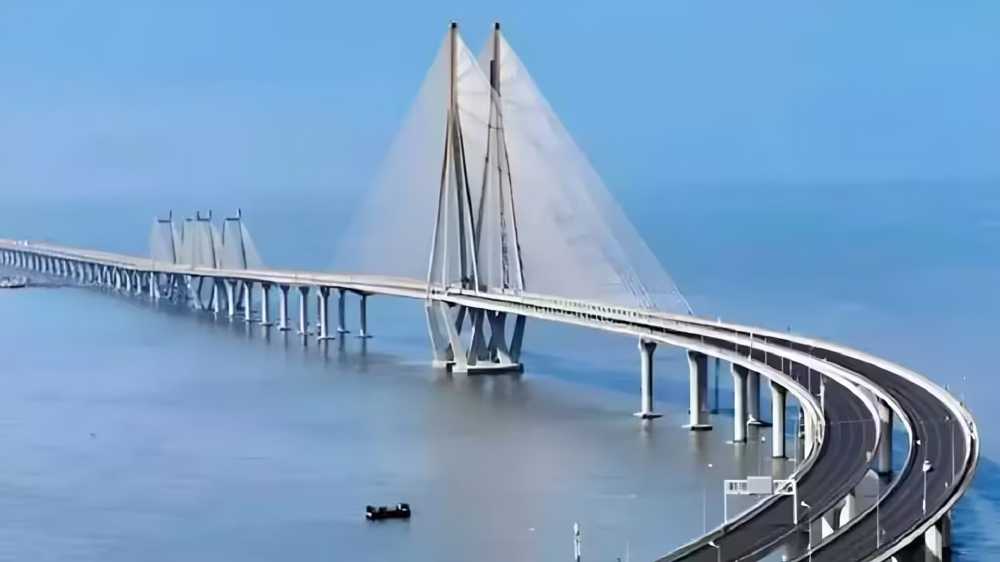

December 17, 2025: Mumbai is gearing up for a major transformation in water-based transport and port-led urban growth as the Maharashtra government accelerates plans for an electric water metro network and a large-scale shipbuilding hub. The initiative signals a push towards low-carbon mobility and sustainable urban infrastructure across the Mumbai Metropolitan Region.
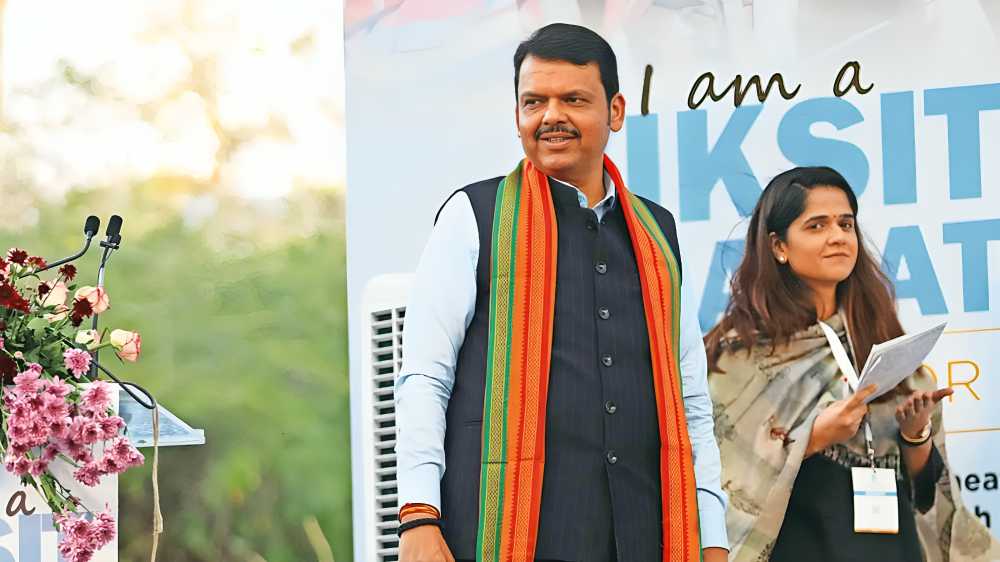
At a recent review of the state’s ports and maritime roadmap, Chief Minister Devendra Fadnavis directed senior officials to fast-track a detailed project report for an electric water metro or water taxi system. “The project is being positioned not just as a transport alternative, but as a long-term urban mobility solution for a congested coastal metropolis,” officials said. The proposed network is expected to cover around 21 terminals and nearly 200 nautical miles, providing scheduled, structured water transport. Currently, Mumbai records nearly 18 million water transport passengers annually, highlighting both latent demand and the limitations of informal services. A senior transport official noted that a modern, integrated water network could reduce pressure on roads and suburban rail while offering safer and cleaner commutes.
Sustainability is central to the project’s design. Authorities plan to launch operations with hybrid vessels and gradually transition to fully electric fleets. Urban mobility experts point out that electrified water transport can significantly lower emissions per passenger kilometre, especially in dense coastal cities where road expansion is constrained.
Beyond passenger transport, Maharashtra is preparing to establish a major shipyard in alignment with a new deep-draft port along the coast. Analysts say the project could stimulate an ecosystem of shipbuilding, repair, and allied manufacturing, generating skilled employment and strengthening domestic maritime capacity.
Connectivity infrastructure is also being prioritised, with land acquisition for a rail corridor linking the hinterland to multiple ports and parallel road projects to connect industrial centres. Urban planners note that leveraging waterways, clean propulsion technologies, and integrated transport can help Mumbai pursue inclusive, climate-conscious urban mobility without disruptive land acquisition or carbon-intensive expansion.
The government aims to complete both the electric water metro network and the mega shipyard by 2026, positioning Mumbai as a global leader in sustainable maritime infrastructure.
Source: Urban Acres