
December 18, 2025: Bhiwandi is steadily shedding its narrow image as a “powerloom city” or a “warehouse city” and moving toward a far broader role within the Mumbai Metropolitan Region (MMR). By 2043, it is positioned to evolve into a regional centre for employment, logistics, and housing—driven not by a single mega-project, but by coordinated planning anchored in the BNCMC Draft Revised Development Plan (2023–2043) and reinforced by MMRDA’s oversight of the wider Bhiwandi influence belt (BSNA).
A “regional centre” is defined less by municipal limits and more by capability. It is a place where people and goods move efficiently, land use is enforceable, civic systems can absorb growth, and the city attracts stable end-user demand rather than speculative supply. That is the ambition Bhiwandi is working toward.
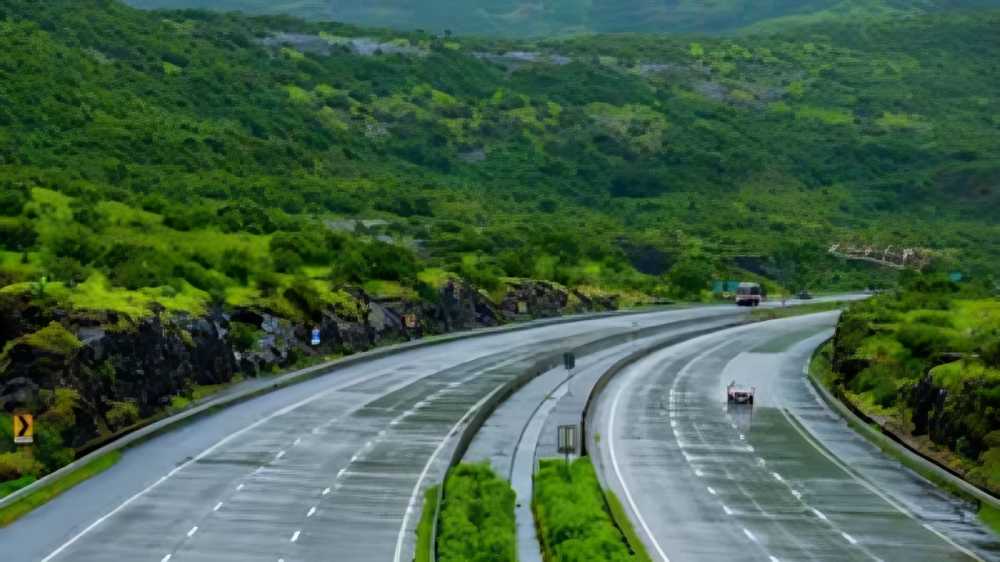
Connectivity forms the backbone of this transition. Metro-led mobility, particularly along the Thane–Bhiwandi–Kalyan corridor, can integrate Bhiwandi into the larger MMR employment grid. Reduced commute friction typically leads to wider labour access, stronger housing demand, and better-quality commercial activity. At the same time, a freight-capable road network is essential to ensure logistics growth does not erode liveability or property value.
Ring-road planning is another critical lever. By keeping through-traffic outside dense urban pockets, the city can decongest its core, improve safety, and create conditions suitable for formal retail, mixed-use streets, and redevelopment—key markers of “regional confidence.”
Zoning reforms are equally important. Bhiwandi’s work–live fabric has evolved organically, and planning that recognises this reality can formalise the economy, improve safety, enable cleaner infrastructure, and build buyer trust. Warehousing, too, must shift from sprawl to system through disciplined truck movement, protected corridors, and firm enforcement.
Crucially, BNCMC and the BSNA must function as one “Greater Bhiwandi” growth story. Much of the pressure lies outside city limits, and alignment ensures infrastructure investment translates into real value rather than fragmented sprawl.
Ultimately, housing growth must keep pace with sanitation, open spaces, renewal of older areas, and civic safety. Execution—land assembly, funding, and consistent governance—will determine success. Bhiwandi becomes a true regional centre when fast people mobility, efficient goods movement, and planned land use advance together, turning a high-activity city into a high-value one.
Source: Thane Real Estate News