
December 17, 2025: Mumbai is advancing at a remarkable pace, solidifying its role as one of India’s most influential economic centres. Yet this growth is unfolding amid rising climate pressures that now require sharper alignment between development priorities and environmental realities.
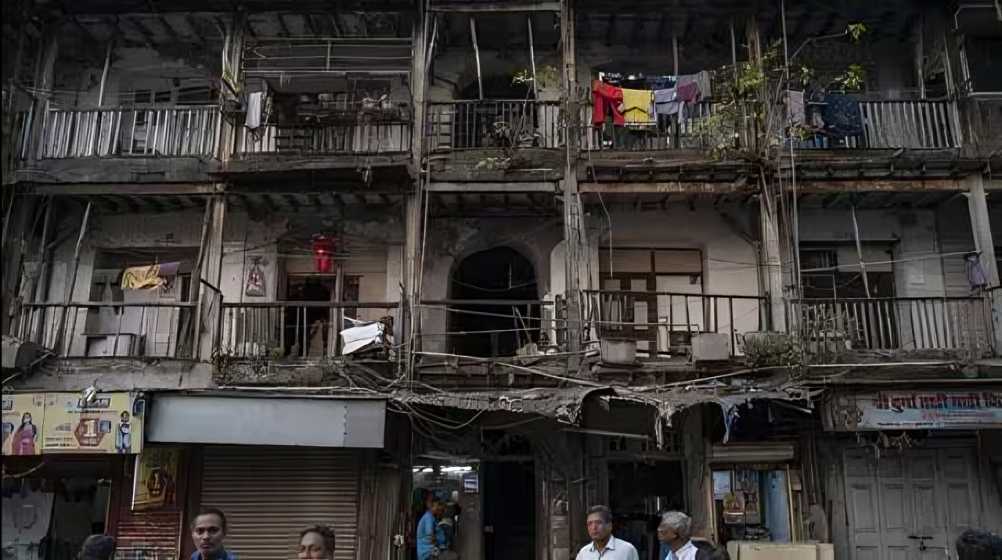
Recent assessments by the Brihanmumbai Municipal Corporation (BMC) identify nearly 100 flood-prone hotspots across the city, with around 35% of residents living in proximity to these vulnerable pockets. The Mumbai Climate Action Plan adds another layer of insight: over 5.2 million people, many in informal settlements, reside in areas highly exposed to extreme weather. These figures reveal conditions that city planners, developers, and policymakers can no longer treat as peripheral.
Long-term projections provide further cause for strategic planning. Studies indicate that nearly half of Mumbai’s landmass could face varying levels of inundation risk due to sea-level rise. Meanwhile, BMC data shows a steady rise in days with rainfall surpassing 100mm, placing intense pressure on existing drainage and flood-management systems.
Even as these challenges emerge, the city’s construction activity continues to accelerate. Developers are increasingly relying on advanced engineering solutions—elevated plinths, pumping mechanisms, flood-resistant foundations, and coastal protection systems—to manage site-specific risks. While these approaches reflect industry responsiveness, they highlight an important gap: project-level fixes need to be complemented by citywide resilience standards to create lasting safety and stability.
Global peers point toward a clear direction. Nature-based and climate-responsive design—sponge parks, permeable pavements, blue-green corridors, elevated utilities, and zoning informed by hydrological mapping—form the basis of future-ready urban planning. Integrating such measures into building codes and approval frameworks would strengthen Mumbai’s overall resilience. Without this, each new development, regardless of intention or engineering quality, enters an environment where systemic vulnerabilities remain.
The stakes extend beyond environmental concerns. Climate exposure directly shapes asset values, insurance viability, lending practices, and investor confidence. Financial institutions are increasingly factoring climate-related considerations into risk frameworks. For residents of informal settlements, the implications are even more immediate: safety, mobility, access to services, and the ability to recover from extreme weather.
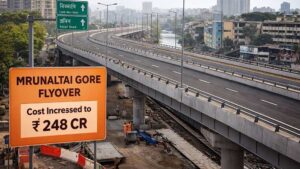
Mumbai’s development path shows clear ambition, yet it also signals the need for closer coordination between growth objectives and climate-readiness. Large-scale infrastructure upgrades—stormwater systems, pumping stations, mobility improvements—are underway, but a shift toward anticipatory planning backed by enforceable resilience norms will be essential.
The central question is not about slowing construction, but about aligning growth with long-term stability. A climate-first lens across zoning, approvals, and urban design can strengthen investor confidence, protect communities, and position Mumbai as a leader in sustainable urban development.
As the city shapes its next phase, the responsibility is shared among regulators, developers, planners, and financial institutions. Embedding resilience into every stage of development is not just prudent; it is critical for ensuring that Mumbai’s progress remains strong, secure, and future-ready.