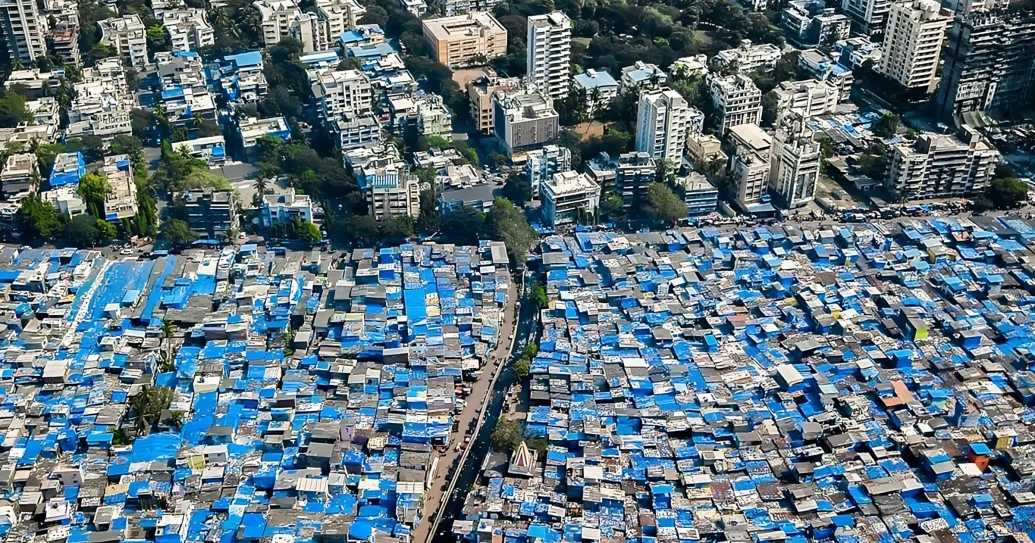

December 20, 2025: Mumbai has unveiled its most ambitious and costly initiative yet to revive the polluted Mithi River, centred on a deep underground sewage diversion tunnel and a comprehensive overhaul of the river’s tidal stretch. According to The Times of India, the two projects together involve an investment exceeding Rs 2,000 crore, in addition to more than Rs 2,200 crore already spent over the last two decades on earlier clean-up efforts.
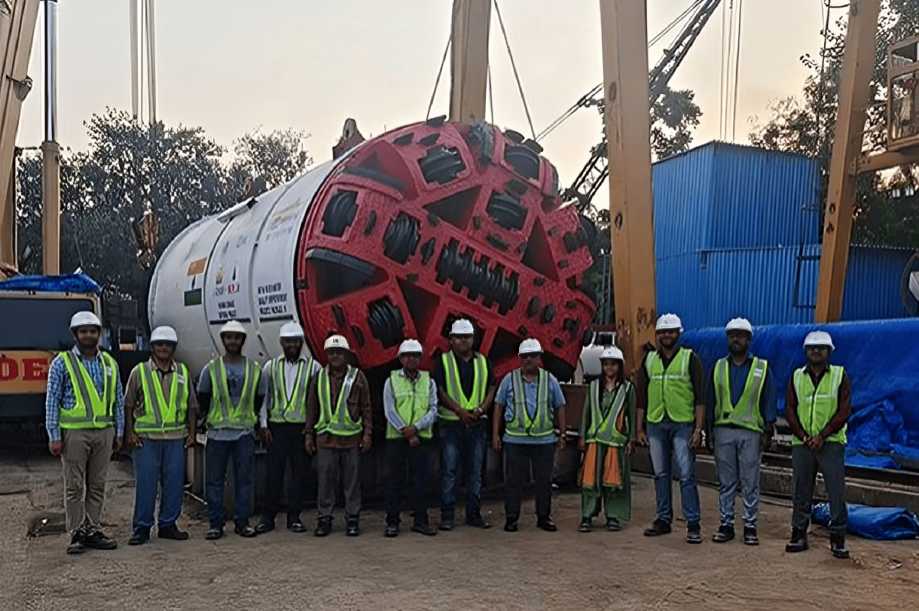
Officials say the new plan could intercept nearly 60% of the sewage currently flowing into the river while also helping to mitigate flooding in vulnerable parts of the city. At the heart of the strategy is a 6.6-km-long underground diversion tunnel designed to capture dry-weather sewage before it enters the Mithi.
Sewage from Bapat Nallah and Safed Pul Nallah will be collected through interceptor structures, screened to remove solid waste, and then directed through vortex drop shafts into the tunnel. From there, the flow will travel by gravity to Dharavi, where it will be treated at a new wastewater treatment plant.
Built at a cost of Rs 455 crore, the tunnel has a capacity of around 440 million litres per day (MLD) and is expected to divert approximately 168 MLD—more than half of the river’s estimated sewage load of 309 MLD. While tunnelling work has been completed, the system will not become operational until the Dharavi treatment plant is commissioned, which is expected by mid-2027.
“The river’s black, foul water today is because untreated sewage continues to flow directly into it,” said an official overseeing stormwater drainage works. “While tunnelling and shaft construction are advancing, the full impact will be visible only after the Dharavi plant comes online.”
The second and more expensive phase targets the tide-affected stretch from Kurla to Mahim, including the Vakola river. This Rs 1,700-crore project includes interceptor systems at major nullahs, gate-and-pump mechanisms to prevent tidal backflow, retaining walls, service roads and an 8-MLD pumping station. However, nearly 1,900 encroachments along the riverbanks remain a significant hurdle.
Experts have welcomed the scale of sewage interception but cautioned that infrastructure alone will not restore the river. “The city has shown it can build complex infrastructure,” said one expert. “The real test is whether it can enforce discipline along the river’s banks and restore ecological balance, not just move pollution from one place to another.”
Source: Swarajya