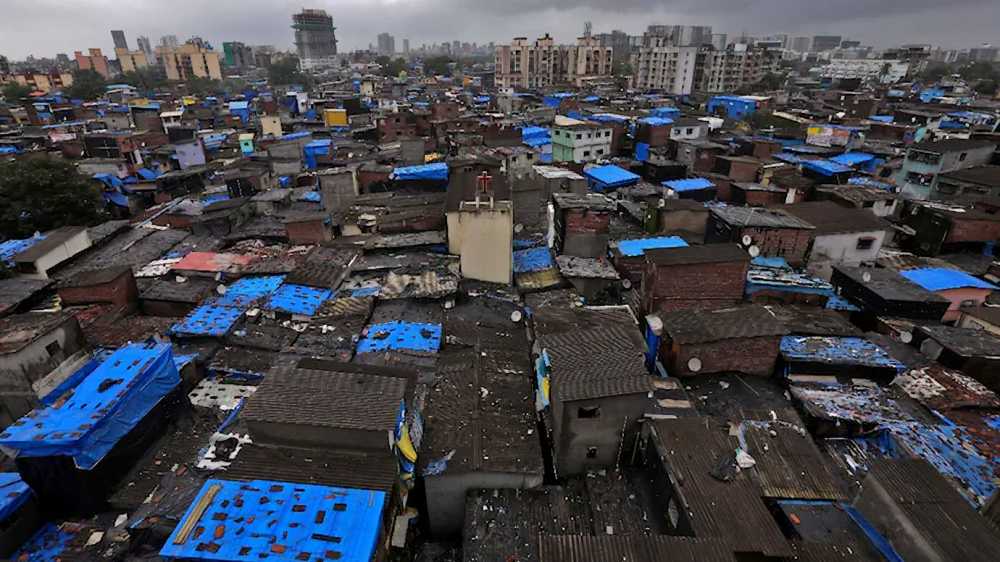
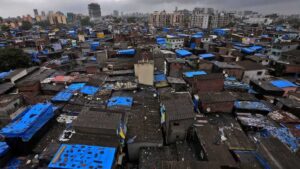
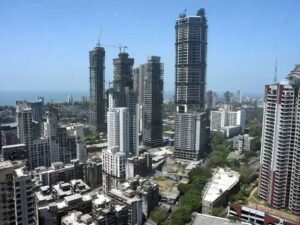
December 27, 2025: Mumbai’s G/North ward, stretching from the densely populated Dharavi slum belt to the high-footfall commercial zones of Dadar and Mahim, is bracing for significant change in the coming years. With the long-awaited Dharavi redevelopment project gaining momentum, residents hope for long-term transformation, even as the ward continues to grapple with chronic civic issues.
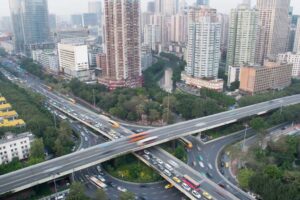
The ward remains one of the city’s busiest, driven by the constant influx of commuters at Dadar railway station — a key interchange for both the Western and Central Railway lines. However, decades of unchecked encroachments, inadequate parking, traffic congestion and unregulated hawking have severely strained local infrastructure. Footpaths around Dadar station are lined with hawkers selling clothes and other goods, while fish, flower and vegetable markets beneath the flyover further choke already narrow roads, leaving pedestrians and commuters with little space to navigate.
Highlighting the problem, Chetan Kamble, local resident and founder of Chakachak Dadar, said, “Along the Dadar station, when we one walks 500 metres along the Dadar station, there lies a fish market and the flower market, which have become major traffic choke points in the area. Furthermore, since the closure of the Elphinstone bridge, the traffic load on Tilak bridge has also increased immensely.”
Public health concerns have also come to the fore. The Dadar kabutarkhana, once a focal point for pigeon feeding, has triggered respiratory issues among locals. “Now, while the feeding has stopped at the kabutarkhana, people have started feeding them on their terraces… Even though pigeon feeding is banned, the administration has not been able to curb this problem,” Kamble added. Dust pollution around Shivaji Park has emerged as another flashpoint, with residents complaining of respiratory ailments caused by red dust settling across neighbourhoods.
In Dharavi, which spans seven electoral wards within G/North, basic amenities such as safe water and drainage remain inadequate. “At present, clean drainage systems and sanitation are some of the biggest issues in the Dharavi belt, which need to be addressed,” said activist Samya Korde, while stressing that redevelopment must ensure residents’ eligibility and prevent displacement.
With civic polls approaching, the ward’s over 4.21 lakh voters are hoping that governance, infrastructure and public health finally receive sustained attention.
Source: The Indian Express