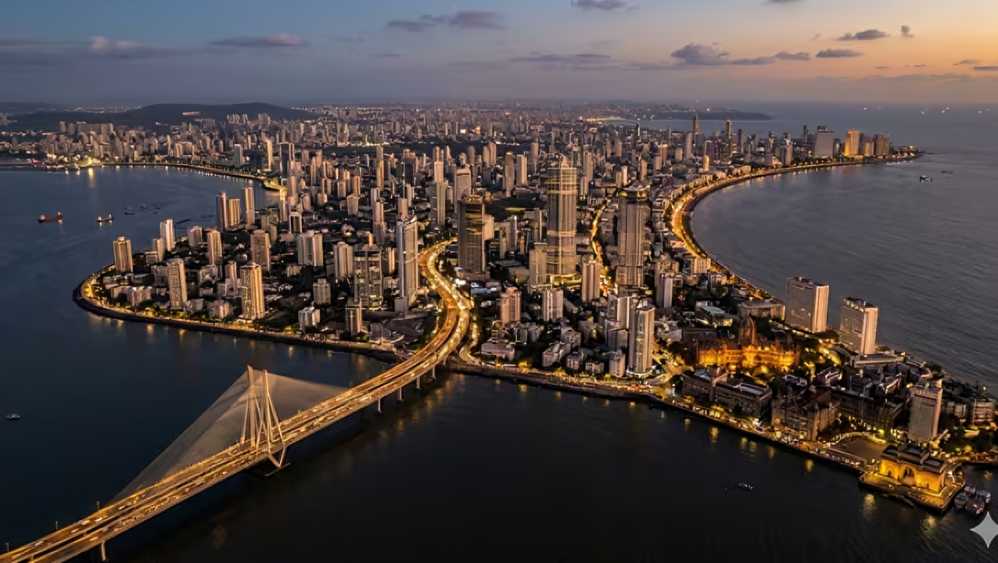
December 29, 2025: Mumbai is poised to unveil several high-profile infrastructure projects in the coming year, but for persons with disabilities, the city’s rapid transformation continues to fall short of inclusivity. A recent on-ground assessment underscores a stark contrast between ambition and access, revealing that everyday mobility remains fraught with obstacles for disabled citizens.
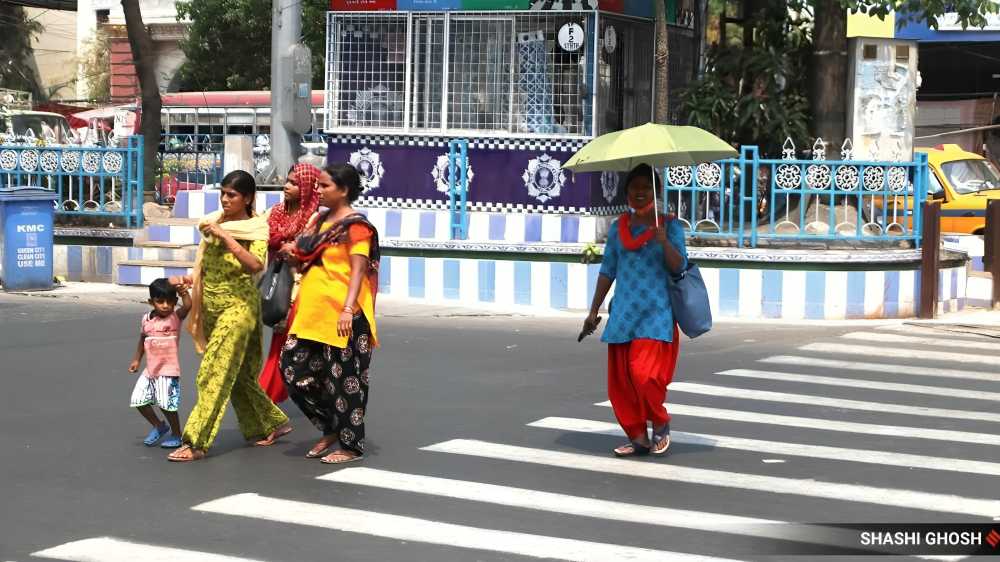
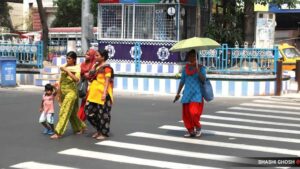
As the world observed the International Day of Persons with Disabilities on December 3, conditions across Mumbai highlighted persistent shortcomings. Broken or abruptly ending footpaths, missing or unusable ramps, and poorly implemented tactile paving routinely force wheelchair users and the visually impaired onto busy roads, putting their safety at risk. In many areas, tactile tiles are either absent or incorrectly laid, creating confusion rather than assistance.
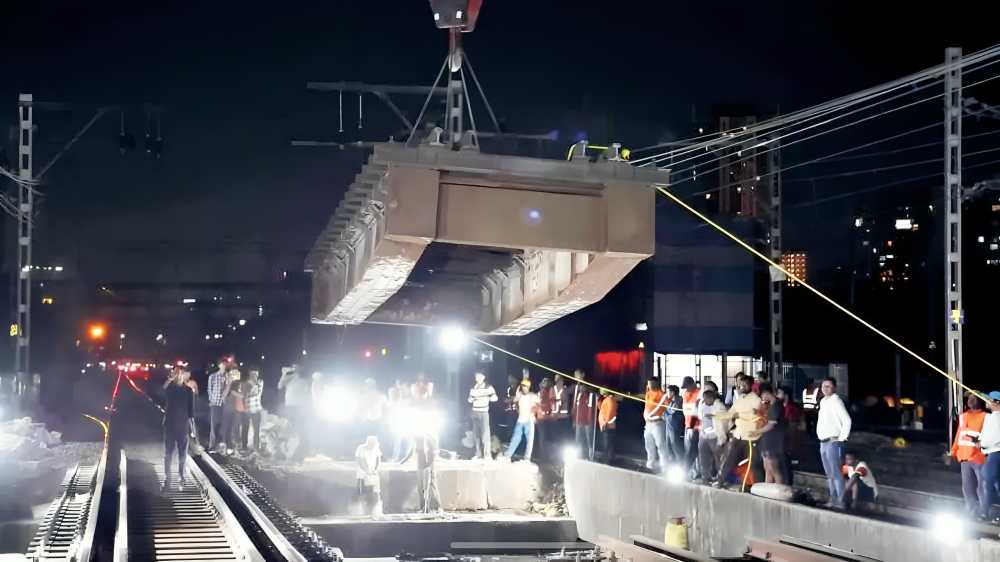
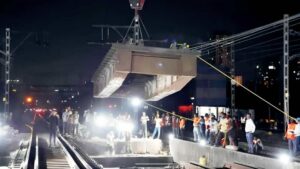
Public transport presents equally serious challenges. While BEST has introduced some low-floor buses, their numbers are limited, and staff are often not trained to operate ramps. Suburban railway stations—despite serving as the city’s backbone—remain largely inaccessible due to steep staircases, non-functional lifts and foot overbridges that are impossible to navigate. Even recently redeveloped stations lack universal design features.
Activists stress that the issue lies not in policy gaps but in execution. The Rights of Persons with Disabilities Act mandates barrier-free public spaces, yet compliance remains inconsistent. “Infrastructure projects worth thousands of crores are announced, but accessibility is treated as an afterthought,” said Ramdas Khot, a member of the Association for Disabled Persons, Mumbai.
For many residents, the struggle is deeply personal. Jayashree Jadhav, a wheelchair user from Byculla, said, “I’ve been using a wheelchair for 40 years. Yet over the years, facilities have only improved by one per cent for people like us… Will we continue to remain an afterthought?” Ramesh Sartape, who commutes daily between Goregaon and Andheri, added, “Relatively accessible options, such as the Metro, are not affordable… while affordable options, like rail, are inaccessible due to infrastructure hurdles.”
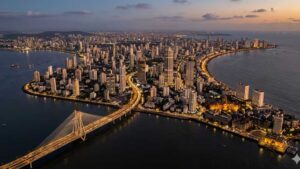
Despite mega projects like metro lines and coastal roads, the promise of dignity, independence and safety remains elusive for Mumbai’s disabled citizens.
Source: Mid-day