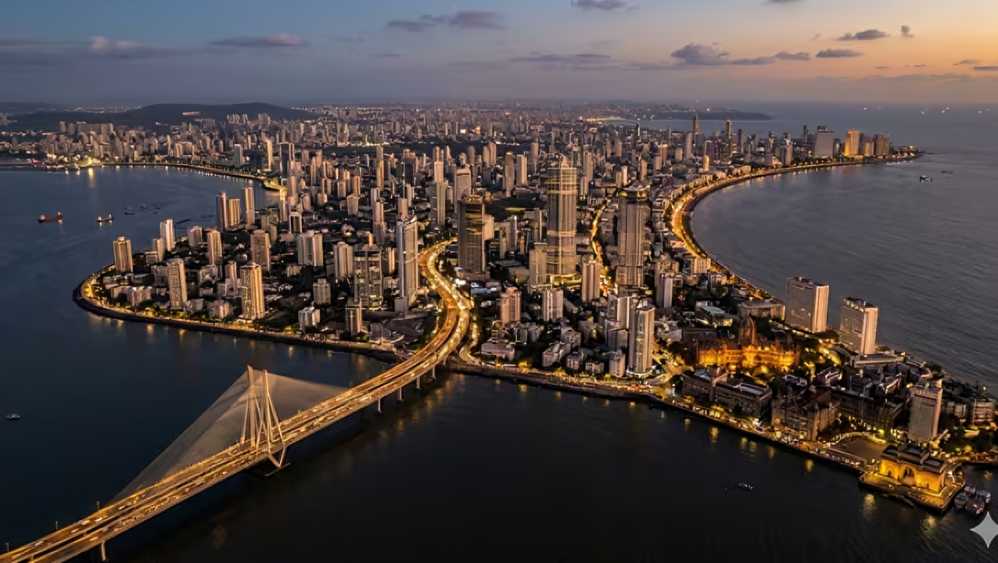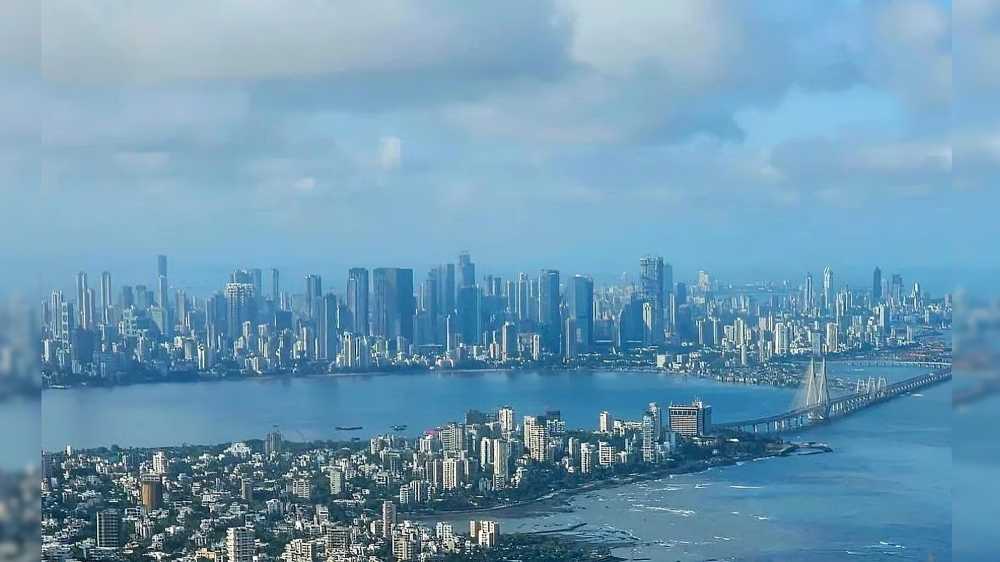

December 30, 2025: With Indian cities contributing nearly 70% of the country’s GDP, the pace of urban renewal has become a critical concern. While economic activity continues to concentrate in metropolitan regions, much of India’s urban fabric is ageing faster than it is being upgraded. Nowhere is this more evident than in Mumbai, a city with negligible greenfield land, where redevelopment has emerged as the primary mechanism to sustain housing supply and urban functionality.
Mumbai’s dependence on redevelopment is being reinforced by rapid population growth. India’s urban population, currently estimated at 54.5 crore, is projected to touch nearly 60 crore within the next five years. This growth has intensified pressure on existing neighbourhoods, infrastructure networks, and housing stock, much of which was built several decades ago. In Mumbai, the challenge is compounded by high density and limited scope for outward expansion.
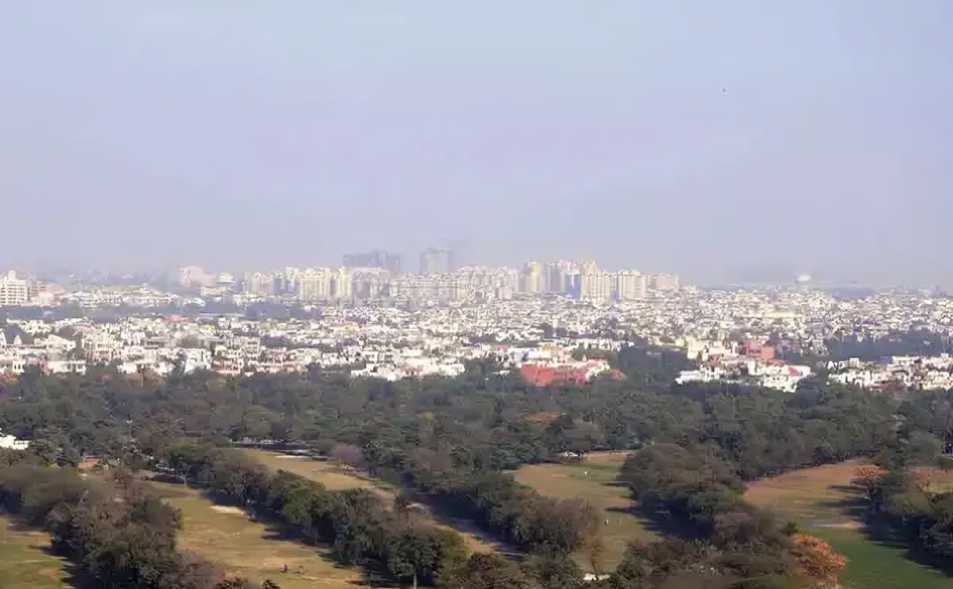
Discussions at the Mumbai Redevelopment Summit underlined that continued urban sprawl is no longer a viable solution. Satellite expansion may ease short-term demand, but it brings long-term costs in the form of infrastructure strain, longer commutes, and environmental damage. Data from ISRO (2022) shows that India loses close to 1.5 million hectares of agricultural land every year due to outward urban expansion, even as large parts of inner cities remain underutilised or deteriorating.
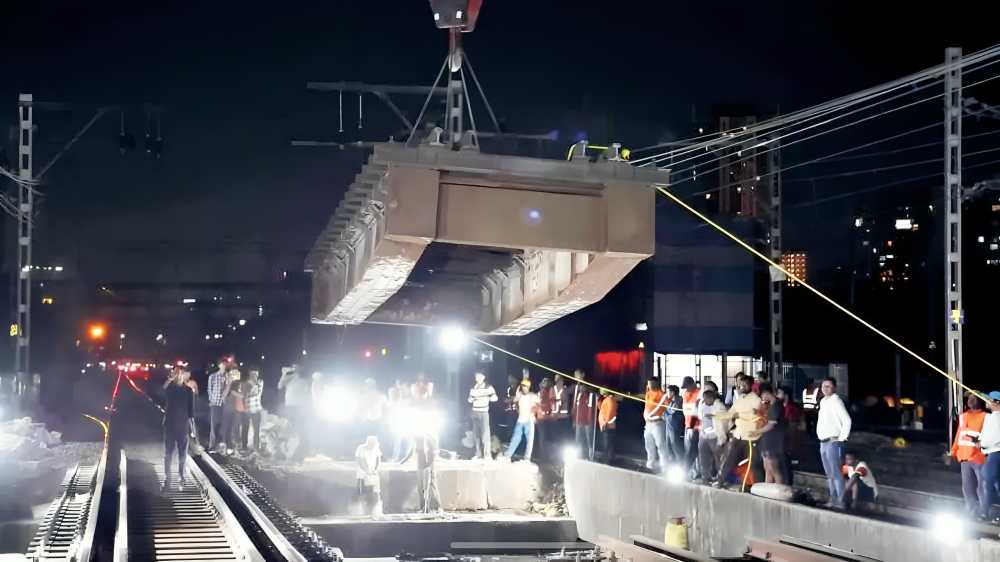
In this context, redevelopment has moved beyond being a planning choice to becoming a structural requirement. For Mumbai, rebuilding ageing buildings, optimising land use, and upgrading infrastructure within the existing urban footprint are now central to maintaining economic momentum. Redevelopment also offers opportunities to improve safety standards, introduce modern amenities, and align older neighbourhoods with current environmental and mobility needs.
As urban land becomes scarcer and population density rises, Mumbai’s redevelopment push reflects a broader shift in India’s urban strategy—one that prioritises renewal over expansion, efficiency over sprawl, and long-term resilience over short-term fixes.
Source: Construction World