
December 31, 2025: Mumbai’s housing market has undergone a fundamental shift over the past two-and-a-half decades, shaped by rising prices, redevelopment, infrastructure expansion and changing investment behaviour. Properties that once sold for Rs 25 lakh to Rs 50 lakh now command Rs 2 crore to Rs 3 crore. “That price escalation captures the scale of housing transformation,” says Anuj Puri, chairman of the Anarock Group.
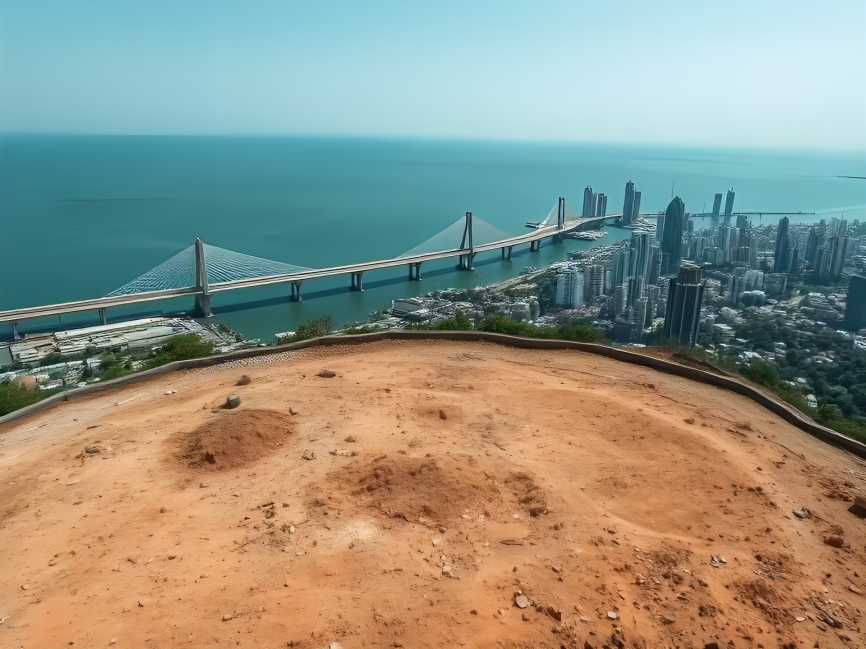
Real estate, once viewed as a near-guaranteed buy-and-hold asset, is now influenced by policy, connectivity and household preferences. Infrastructure has been central to this change. “Infrastructure ‘magic’ has driven the real estate boom,” Puri says, citing metro expansion and improved links that opened up suburbs such as Thane, Navi Mumbai and Powai. Rajiv Dadlani, CEO of Sambhavna Securities, points to projects including metro corridors, the Mumbai Trans Harbour Link and the Navi Mumbai International Airport, which “have re-rated fringe markets and driven demand in emerging nodes.” Peripheral areas such as Panvel and Kharghar, he notes, “saw extraordinary multi-hundred-per-cent price rises between 2009 and 2025.”
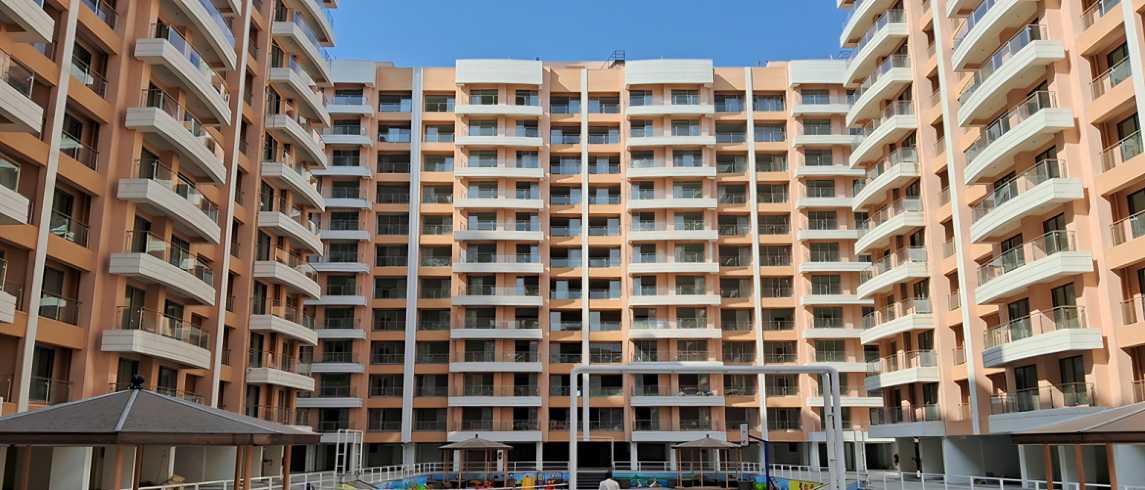
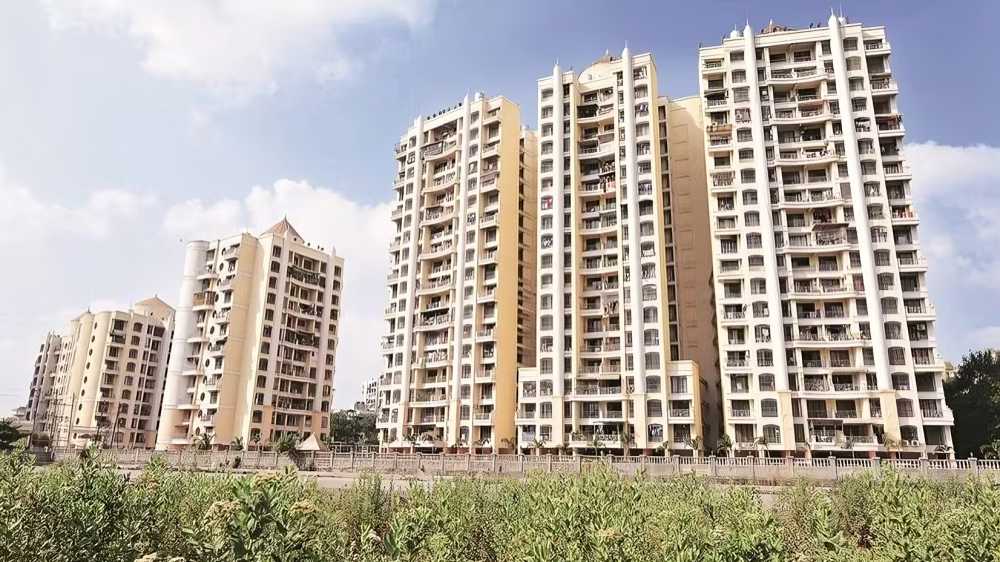
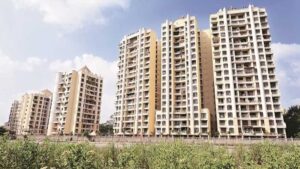
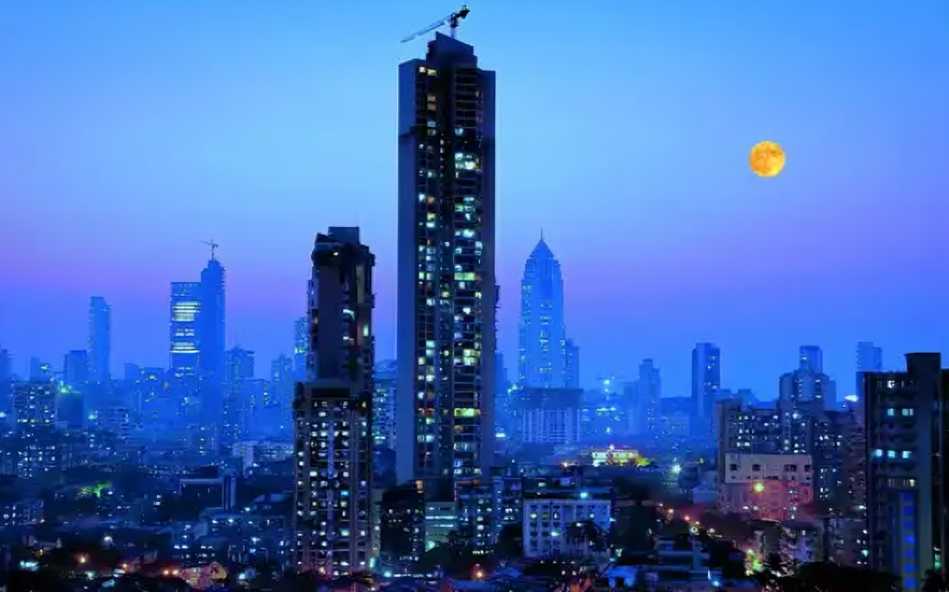
Within the city, limited land availability pushed Mumbai to build vertically. Old cessed buildings and housing societies were redeveloped into high-rise towers across central and suburban neighbourhoods. “With land scarce, Mumbai chose renewal over sprawl,” says Ram Raheja, managing director of S Raheja.
Despite increased supply, affordability has weakened. “Depending on where in Mumbai you want to buy a home, you are putting anything between 67 and 90 times your entire monthly income on the line,” Puri says. Regulation has also reshaped the market. “RERA brought clarity and discipline to a market that was rapidly growing in size and complexity,” says Boman Irani, national president of CREDAI, adding that it created confidence for investors and institutions.
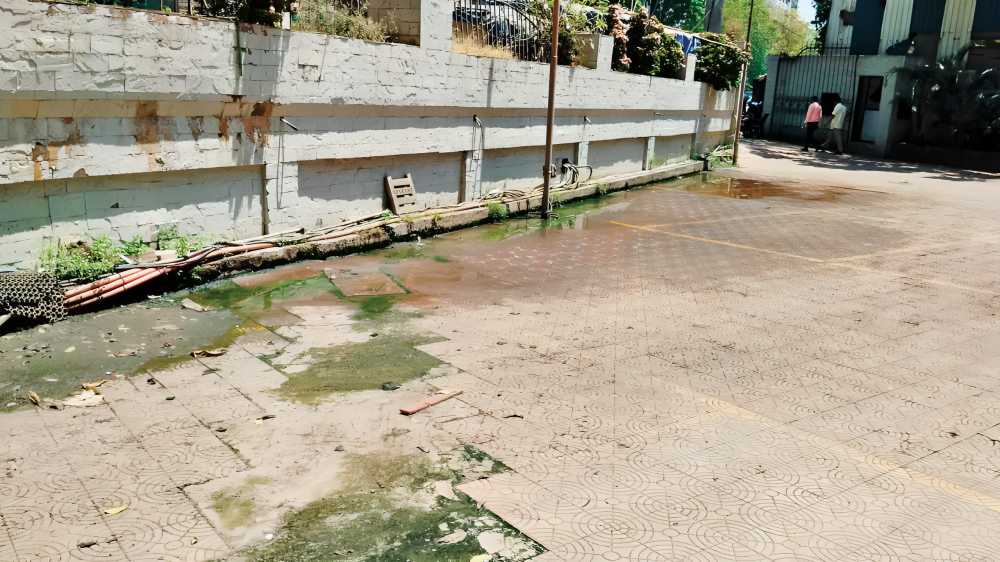
At the household level, ownership economics have shifted. “A visible shift has emerged among residents across age groups, who increasingly rent rather than buy,” Dadlani says, citing low rental yields and high borrowing costs. Buyers now pay premiums for amenities and convenience, while older buildings lag.
“For a long time, real estate in Mumbai sold a simple promise: buy early, hold long,” Dadlani says. “That certainty has softened.” Real estate remains important, but its role is evolving in a more financially aware city where choice, flexibility, and diversification matter more than assumption-driven ownership.
Source: Mumbai Mirror