
January 2, 2026: Mumbai’s public healthcare system is poised for a significant overhaul in 2026, with the Brihanmumbai Municipal Corporation (BMC) planning an ambitious expansion of medical infrastructure, services, and capacity across the city. The strategy centres on strengthening peripheral hospitals, reducing pressure on overstretched tertiary institutions, and ensuring quicker access to emergency and specialised care closer to residential areas.
For decades, major civic hospitals such as KEM, Sion, and Nair have borne the brunt of Mumbai’s healthcare demand, often operating beyond capacity. The BMC’s new roadmap seeks to rebalance this concentration by upgrading suburban and peripheral hospitals to manage more complex cases, cut down referrals, and shorten treatment timelines.
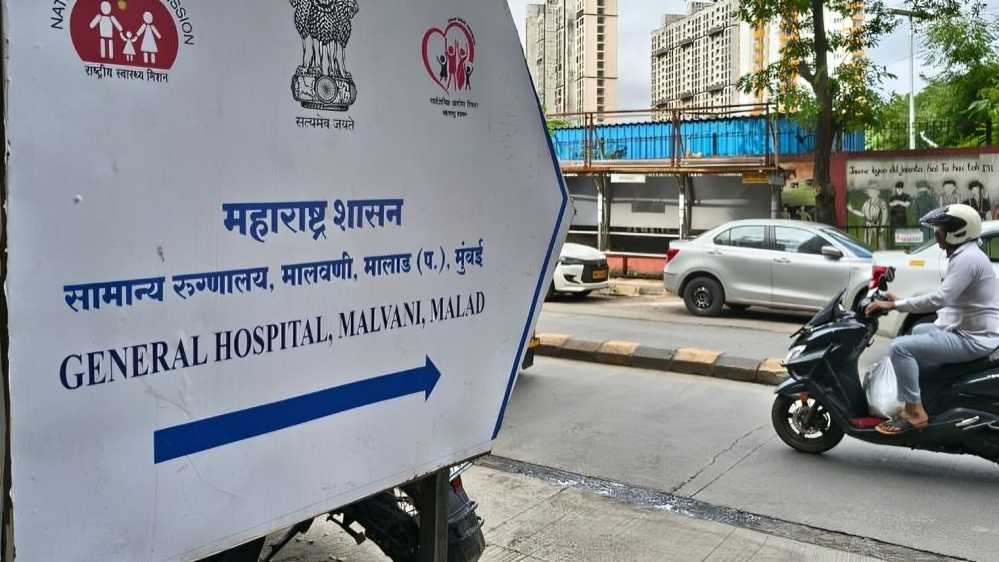
A central pillar of the plan is the transformation of several peripheral hospitals into full-fledged multi-speciality centres. Facilities in Mulund, Kandarpada, Borivali, Bhandup, and Govandi are among those earmarked for new departments, advanced medical equipment, and expanded staffing. Some hospitals are expected to introduce super-speciality services that were previously limited to central city institutions. Emergency and trauma care is also set for a major boost, with select hospitals being developed as advanced emergency response centres, a critical need in a city prone to road accidents and sudden medical emergencies.
The chronic shortage of hospital beds, starkly exposed during the COVID-19 pandemic, remains a priority area. The coming year is expected to see new hospitals becoming operational and existing ones expanding capacity, with thousands of additional beds likely to be added to the civic healthcare network, officials told THE WEEK. Several projects are currently at different stages of construction or upgradation.
Alongside capacity expansion, the focus is on improving quality. Plans include modern intensive care units, upgraded operating theatres, stronger infection control systems, and more patient-friendly wards, according to BMC officials.
Medical education infrastructure is also being expanded through new medical colleges and enhanced teaching facilities, aimed at addressing doctor shortages while strengthening training within public hospitals. Speciality services such as cardiology, oncology, nephrology, dialysis, and advanced diagnostics are being decentralised to reduce waiting periods and overcrowding.
The BMC is increasingly turning to the public-private partnership model to accelerate development, while keeping treatment affordable. Technology upgrades, including advanced imaging and digital health records, are expected to improve efficiency and patient care.
While execution challenges remain, sustained funding and close monitoring could make 2026 a defining year for Mumbai’s public healthcare system, shifting quality care beyond a handful of central hospitals to neighbourhoods across the city.
Source: The Week