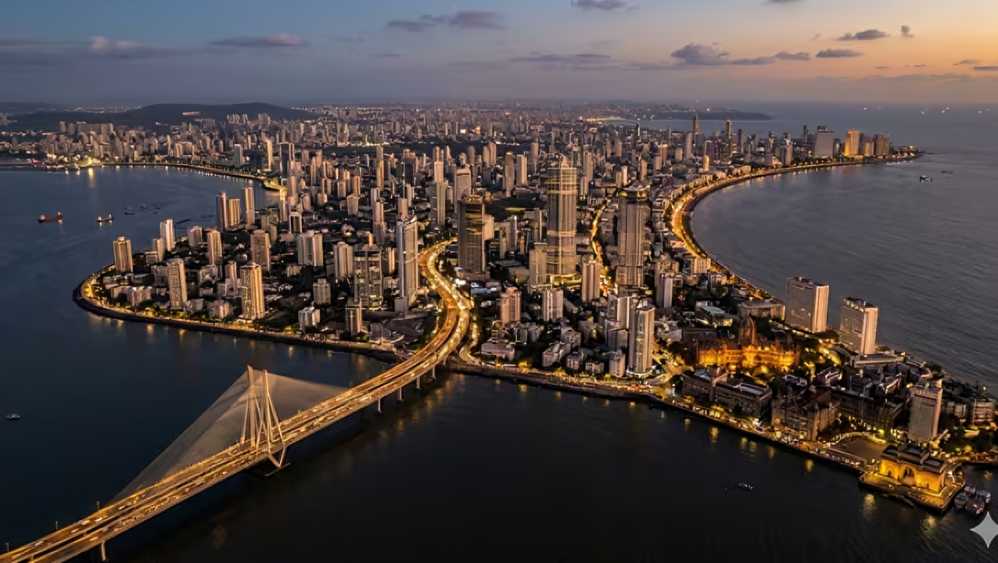
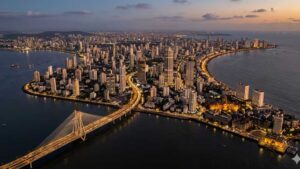
January 3, 2026: Mumbai’s fragile mangrove ecosystem is once again under pressure, with the proposed felling of nearly 45,000 mangroves for the Bhayander–Versova coastal road reigniting concerns over the environmental cost of large infrastructure projects. Along the city’s western shoreline, where mangroves have long acted as natural shields against flooding and erosion, the debate has sharpened between development priorities and ecological protection.
Planned as the second phase of Mumbai’s coastal road network, the Bhayander–Versova corridor is envisioned as a northern extension of the existing Coastal Road, aimed at easing congestion on the Western Express Highway. The Brihanmumbai Municipal Corporation has maintained that the project serves a public purpose, claiming it will reduce travel time, save fuel and cut carbon emissions by 55 per cent. Environmentalists, however, argue that clearing mangroves from intertidal zones and creeks could weaken the city’s natural defences at a time when climate risks are intensifying.
Mangroves play a critical role in Mumbai’s coastal ecology, absorbing excess rainwater, stabilising shorelines and softening the impact of storm surges during heavy monsoons. Yet the city has already lost a substantial portion of its mangrove cover due to decades of urbanisation, infrastructure expansion and illegal dumping. Conservationists estimate that more than 40 per cent of Mumbai’s mangroves disappeared between the 1970s and early 2000s, particularly along the Mithi River, Mahim Creek, Malad Creek and Thane Creek. While court-led protections slowed the damage in the mid-2000s, recent projects have again placed these ecosystems at risk.
Urban infrastructure expert Hussain Indorewala said: “No one needs reminding of the ecological value of mangroves, least of all the Bombay High Court. The same court that, on December 12, granted the BMC permission to fell mangroves has, over the years, emerged as one of their most forceful defenders. In a landmark 2018 ruling, it categorically held that the ‘destruction of mangroves’ amounts to a ‘violation of fundamental rights’.”
Environmental groups argue that compensatory plantations cannot replicate the complexity and maturity of natural mangrove ecosystems. Natasha Pereira, an environmental campaigner, warned that large stretches between Charkop and Dahisar could be cleared. “These ecosystems are not just trees; they are our first line of defence against climate impacts,” she said, cautioning that even small rises in sea levels, combined with mangrove loss, could sharply increase flooding risks for coastal neighbourhoods.