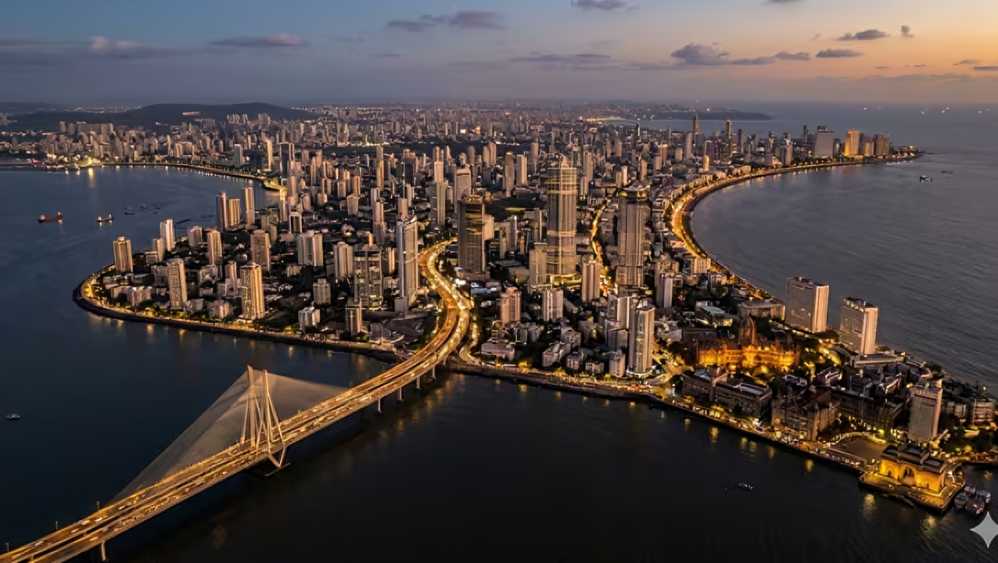
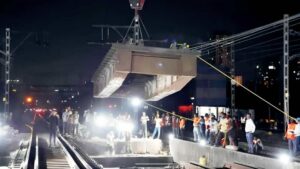
January 3, 2026: For more than 20 million Mumbaikars, the suburban railway is far more than a mode of transport. It is the city’s daily rhythm, carrying millions to work, education, and opportunity from before sunrise until late at night. As Mumbai continues to grow denser and faster, sustaining this vast network has become one of the most demanding urban mobility challenges anywhere in the world.
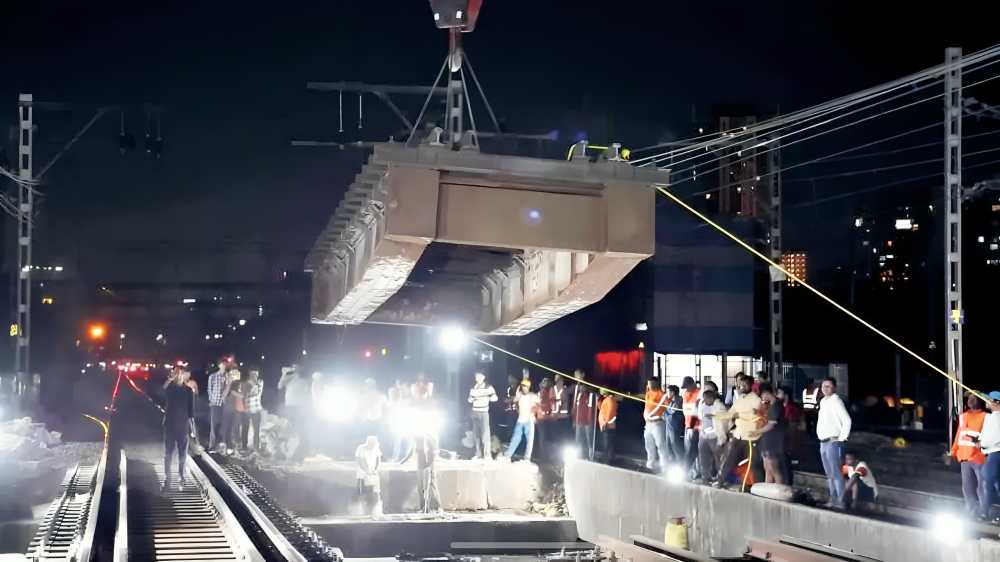
Western and Central Railway are responding with a coordinated, system-wide overhaul aimed at expanding capacity, modernising stations, improving safety, and making everyday commuting more humane. In recent years, Mumbai has entered one of the most intensive phases of suburban rail upgradation in its history, driven by long-term planning rather than isolated interventions.
Mumbai’s suburban network already operates at one of the highest densities globally, with Western Railway running over 1,400 services daily and Central Railway operating nearly 1,810 services across its Main, Harbour, and Trans-Harbour lines. To address chronic congestion, projects worth over Rs 8,000 crore are underway. Key expansions such as Borivli–Virar, Virar–Dahanu Road, Panvel–Karjat, Kalyan–Asangaon, and Kalyan–Badlapur are designed to remove bottlenecks, segregate traffic, and add more than 30% new capacity over the next four to five years.
Stations are being redesigned to match today’s footfall realities. Under MUTP-3A and the Amrit Bharat Station Scheme, wide decks, additional foot overbridges, escalators, lifts, better lighting, and smoother passenger circulation are being rolled out across both railway zones. More than Rs 500 crore was invested in passenger amenities in 2024–25 alone, with stations such as Khar Road emerging as benchmarks and similar upgrades underway across Mumbai.
Accessibility and safety are now central to station planning, supported by hundreds of digitally monitored lifts and escalators, tactile tiles, ramps, and dedicated compartments. At the same time, modern rolling stock, closed-door AC locals, and automatic doors are improving safety and comfort, with AC local ridership rising sharply over the past three years.
Digital tools, integrated ticketing, improved monitoring, and closer integration with the expanding Metro network are further reshaping the commuter experience. Together, these measures reflect a long-term commitment to strengthening Mumbai’s local trains—the lifeline that keeps the city moving, today and for decades to come.