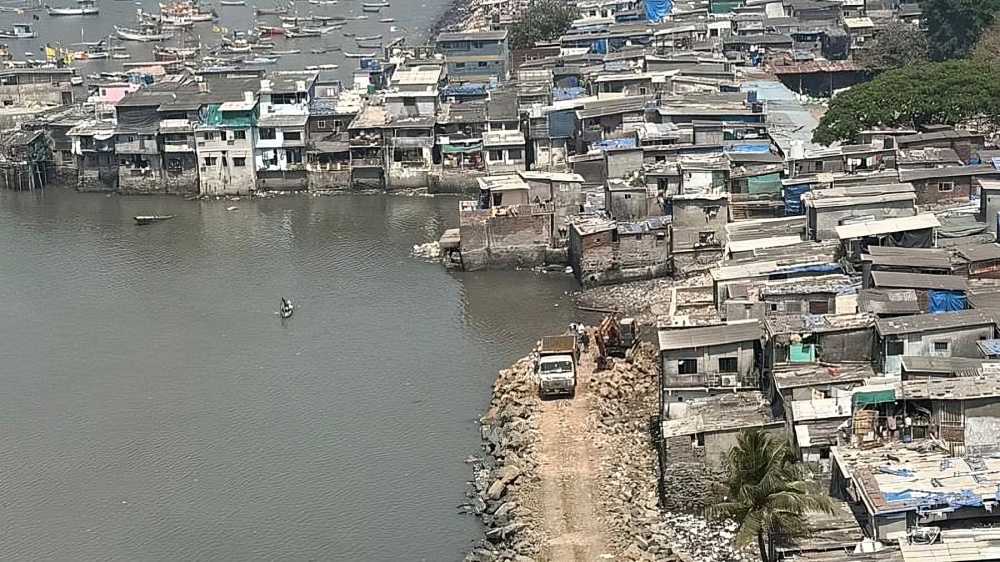

January 5, 2026: As Mumbai moves into 2026, the housing market presents a more layered reality than headline numbers suggest. Despite stable interest rates and rising household incomes creating the impression of improved affordability, homeownership continues to drift further out of reach for first-time buyers across the city.
This disconnect is evident in the data. According to Knight Frank India’s 2025 Affordability Index, Mumbai’s EMI-to-income ratio fell below 50% for the first time, driven largely by income growth rather than price moderation. Yet the city’s average residential prices hover around Rs 27,000 per sq ft, while the wider MMR averages over Rs 17,000 per sq ft. Even a modest 600–700 sq ft apartment in central or western suburbs can cost well over Rs 1.5 crore, while 2 BHKs in peripheral areas such as Thane, Mira Road, or Navi Mumbai range from Rs 80 lakh to Rs 2 crore. These figures keep entry-level ticket sizes high and continue to present formidable barriers for first-time buyers.
The gap lies in how affordability is assessed. Conventional measures focus on monthly repayments, but in Mumbai, access to housing is increasingly shaped by upfront costs. High property prices translate into large down payments, along with stamp duty, registration charges, and other transaction expenses. For salaried households (particularly younger buyers) these initial requirements have become the primary hurdle.
This challenge is reinforced by an outdated definition of affordable housing. Price thresholds fixed several years ago have not kept pace with rising land values, construction costs, and compliance-related expenses across Mumbai and the Mumbai Metropolitan Region. As a result, new supply has steadily shifted toward mid-premium and luxury housing, where projects remain financially workable.
Market trends underline this imbalance. In 2025, residential sales volumes across India’s leading cities declined, even as the total value of homes sold exceeded Rs 6 lakh crore. A growing share of new launches was priced above Rs 2.5 crore, while supply in the mid-income segment stayed limited. Mumbai followed a similar path, with prices reaching new highs even as buyer activity remained cautious at elevated levels.
The outlook for 2026 suggests adjustment rather than correction. A number of delayed project launches are expected to come to market, which could increase choice and limit sharp price increases. In some locations, this may improve negotiating conditions for buyers. However, this is unlikely to bring back broad affordability, particularly for first-time purchasers.
Policy interventions have improved execution and reduced delivery risks, with over 95 lakh homes completed under urban housing schemes nationwide and additional funding allocated to complete stalled projects. Yet these measures have done little to expand fresh supply at viable price points in high-cost markets like Mumbai. Without these steps, access to homeownership in high-cost cities will remain limited.
By 2026, Mumbai’s housing market is evolving in ways that raise important questions for new buyers. The discussion is shifting from managing EMIs to crossing the entry threshold. How this issue is addressed will play a key role in shaping the city’s housing landscape in the years ahead.