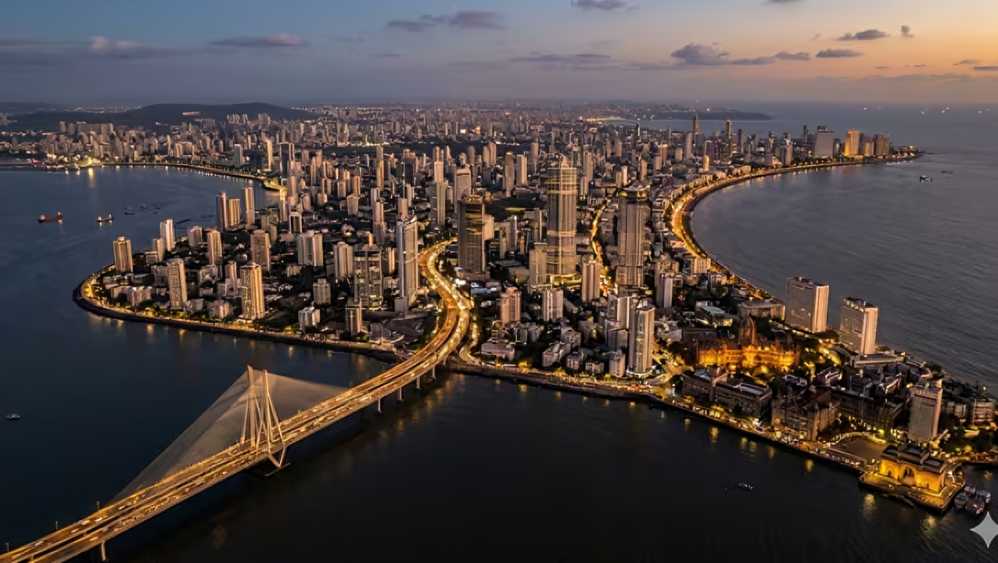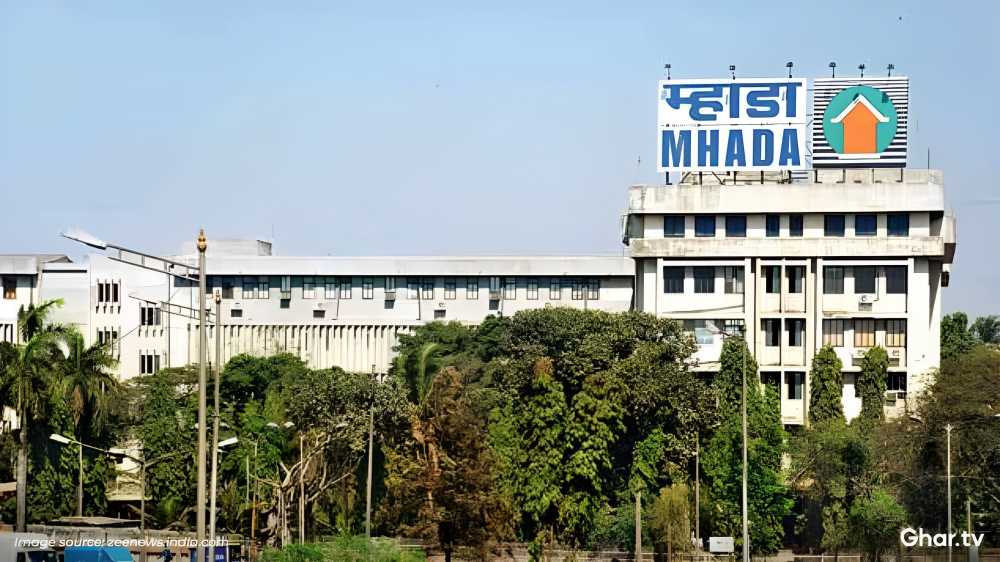

January 6, 2026: The Maharashtra Housing and Area Development Authority (MHADA) has announced an extensive plan to carry out structural audits of all 13,091 cessed buildings in Mumbai before the 2026 monsoon. The decision marks a significant shift from previous years, when inspections were limited in scale, and reflects a more preventive approach to addressing monsoon-related building safety risks in the city.
Cessed buildings, many of which are more than 80 years old, are considered particularly vulnerable due to age-related deterioration, poor upkeep, and high occupancy levels. Experts have long warned that in a city as densely populated as Mumbai, even minor structural failures can lead to serious loss of life and property. In contrast to last year, when only about 1,000 such buildings were audited, the upcoming exercise aims for full coverage of the city’s ageing housing stock.
The survey will be conducted over a period of two to three months by four independent agencies appointed by MHADA. Buildings showing visible signs of structural stress will be prioritised. According to official estimates, the total cost of the exercise is expected to be around ₹40 crore, with inspection expenses ranging up to ₹90,000 per building depending on size and occupancy. Officials expect the audit to result in a sharp increase in the number of structures categorised as dangerous or extremely dangerous, underlining the extent of ageing infrastructure across Mumbai.
Beyond safety, the initiative aligns with MHADA’s broader redevelopment strategy for cessed properties. By systematically identifying high-risk buildings, the authority aims to improve living conditions and facilitate redevelopment that incorporates modern, climate-resilient construction practices. The move also follows recent legal clarity after court interventions in 2024 delayed redevelopment of several dangerous buildings, particularly in South Mumbai.
Urban planning experts believe the comprehensive audit could encourage greater accountability among private developers and housing societies, while helping reduce monsoon-related disasters. As Mumbai prepares for another monsoon season, the citywide survey signals a more structured and data-driven approach to managing housing risk and strengthening urban resilience.
Source: Urban Acres