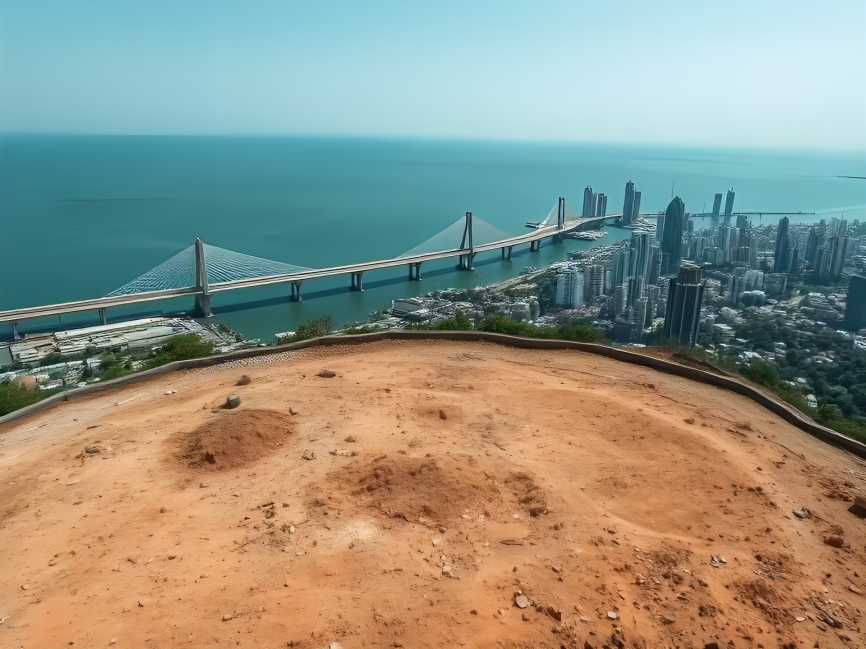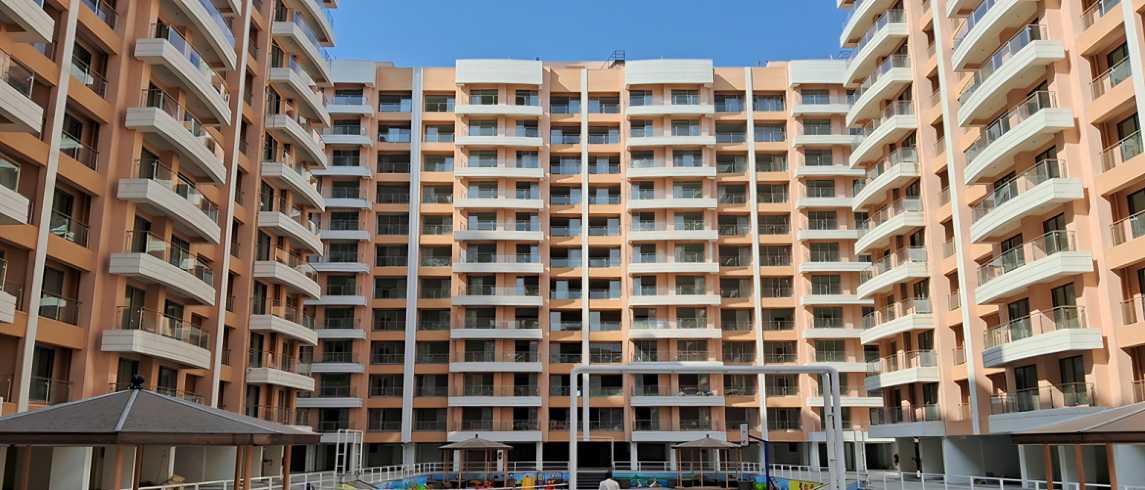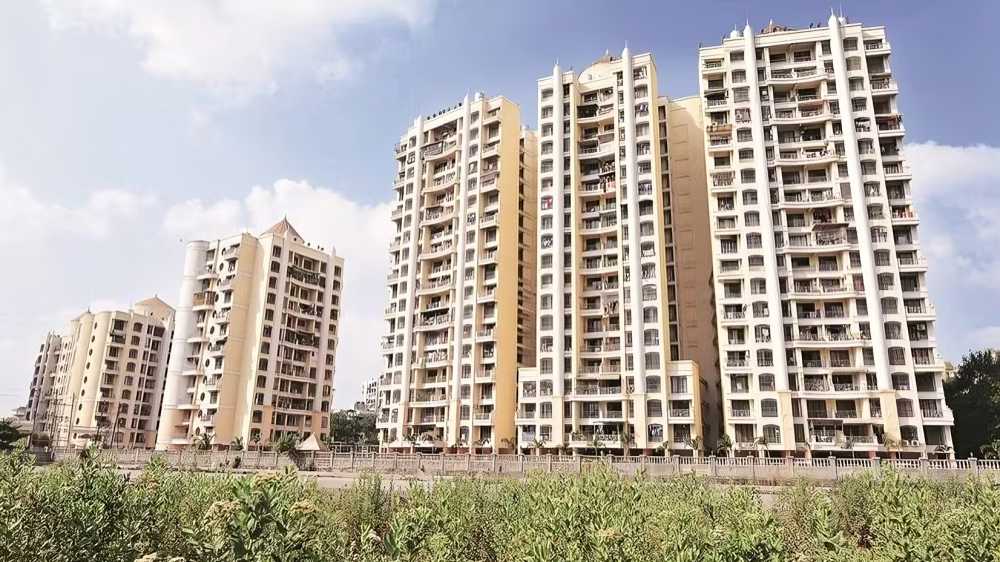

January 7, 2026: The Mumbai Metropolitan Region (MMR) is entering a transformative phase in its housing cycle as large-scale transport and civic infrastructure projects reshape residential preferences. In 2026, homebuyer and investor interest is increasingly concentrated in micro-markets where connectivity, redevelopment potential, and relative affordability intersect, signalling a move away from speculative pockets toward infrastructure-secured locations.
Across the MMR, new transport links—including road bridges, metro corridors, and airport-led development—are reducing commute times and unlocking underutilised land. Urban planners note that this shift is redefining residential priorities, particularly for working families seeking shorter travel times and reliable civic services, as well as investors focused on long-term capital appreciation rather than short-term gains.
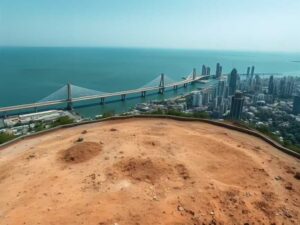
Central Mumbai’s eastern waterfront belt, covering Parel and Sewri, is emerging as a key beneficiary of new cross-harbour and north-south connectors. Improved accessibility to Navi Mumbai and western corridors is encouraging redevelopment in older industrial and port-adjacent precincts. While prices here remain above the city average, planners emphasise the strategic advantage of proximity to employment hubs and transport convergence.
Further north, the Vikhroli-Wadala corridor is undergoing steady transformation driven by land monetisation, rehabilitation-led redevelopment, and planned commercial expansion. Authorities view this belt as a pressure valve for central Mumbai, offering housing close to business districts without adding to urban sprawl. Multiple transport modes are supporting a balanced rental market and consistent end-user demand.
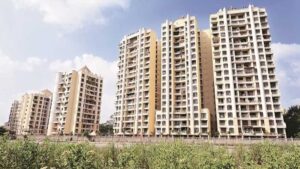
The most pronounced structural shift is in the Navi Mumbai International Airport influence zone, including Panvel, Ulwe, and Kharghar. These nodes attract first-time buyers and long-term investors due to comparatively accessible pricing, metro connectivity, and township-scale planning that underpins sustainable real estate value creation.
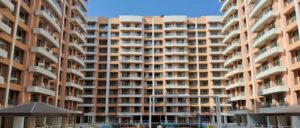
Mumbai’s western suburbs remain resilient, with metro corridors and road upgrades enabling redevelopment of ageing housing stock into higher-density, energy-efficient buildings. Meanwhile, the Mira Road-Bhayandar belt is gaining relevance as a northern extension for budget-conscious buyers, aided by planned transit integration.
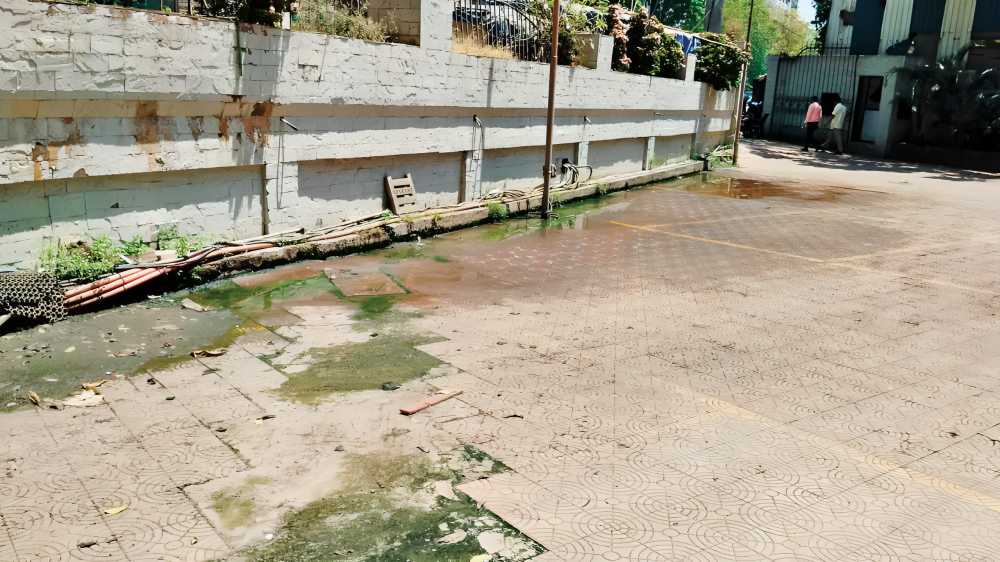
Market analysts caution that while infrastructure drives growth, execution timelines, density pressures, and maintenance costs must be considered. Oversupply in some suburban clusters and last-mile connectivity delays could moderate short-term returns. As MMR enters its next growth phase, residential demand in 2026 is increasingly anchored in accessibility, resilience, and liveability—factors likely to shape housing outcomes well beyond the current cycle.