January 8, 2026: As Mumbai prepares for the Brihanmumbai Municipal Corporation (BMC) elections on January 15, the city presents a dramatically altered picture from the time of its previous civic polls. Once synonymous with chronic congestion and stretched infrastructure, the financial capital has undergone a sweeping transformation driven by a series of landmark projects that have redefined mobility, connectivity, and urban form.
Over the past few years, Mumbai has evolved into a testing ground for large-scale, world-class infrastructure. From sea bridges to underground metro corridors, the city’s physical and economic geography has been steadily rewritten.
Mega projects reshaping daily travel
The most striking change has been the completion of what many describe as the infrastructure ‘Golden Trio’. The Atal Setu (Mumbai Trans Harbour Link), inaugurated in 2024, has compressed the once-exhausting Sewri–Navi Mumbai commute into a swift 20-minute drive, accelerating the city’s eastward economic shift.
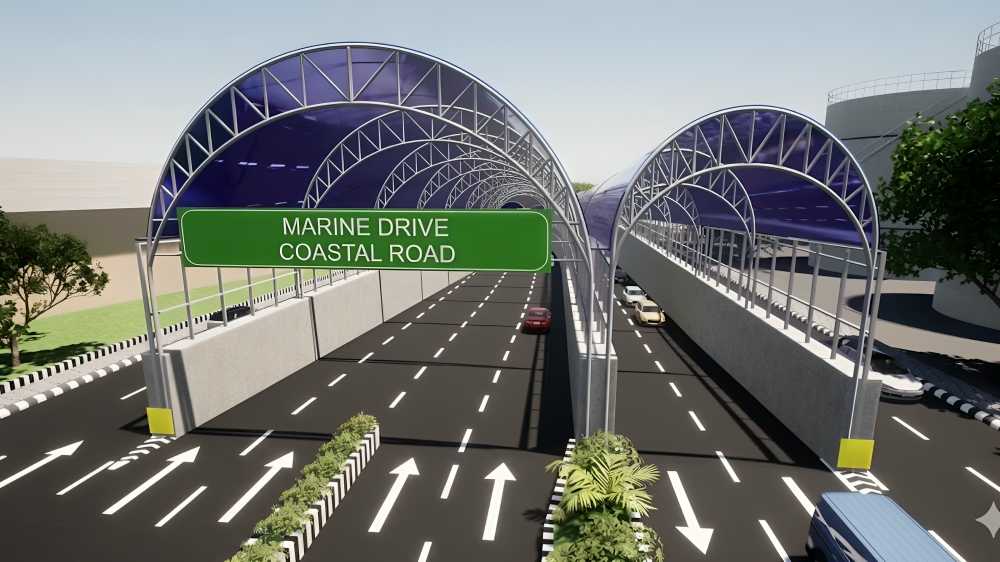
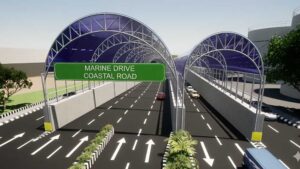
The Mumbai Coastal Road has similarly transformed the western waterfront. With its undersea tunnels and seamless links between Marine Drive and the Bandra-Worli Sea Link, South Mumbai has finally shed its reputation for daily traffic bottlenecks.
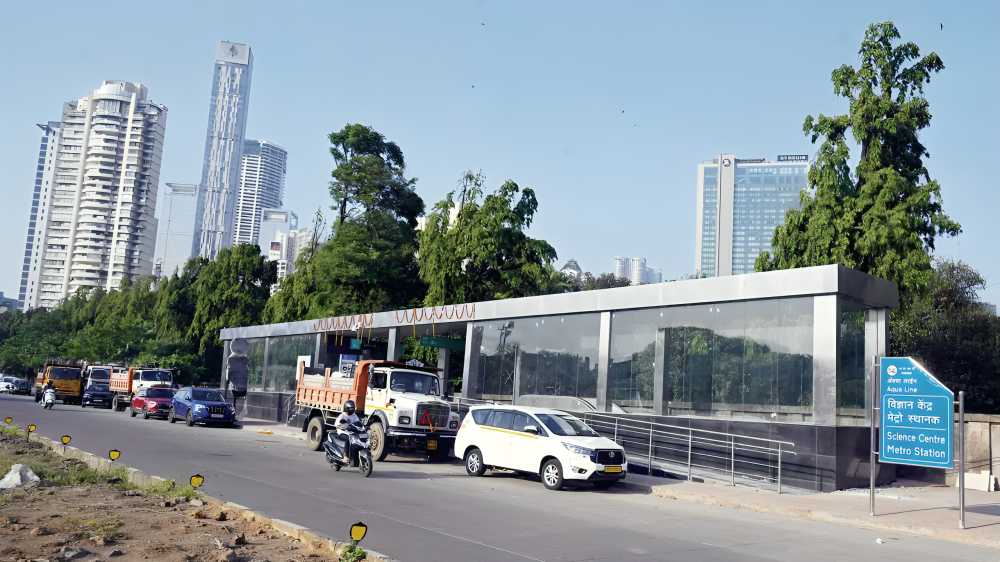
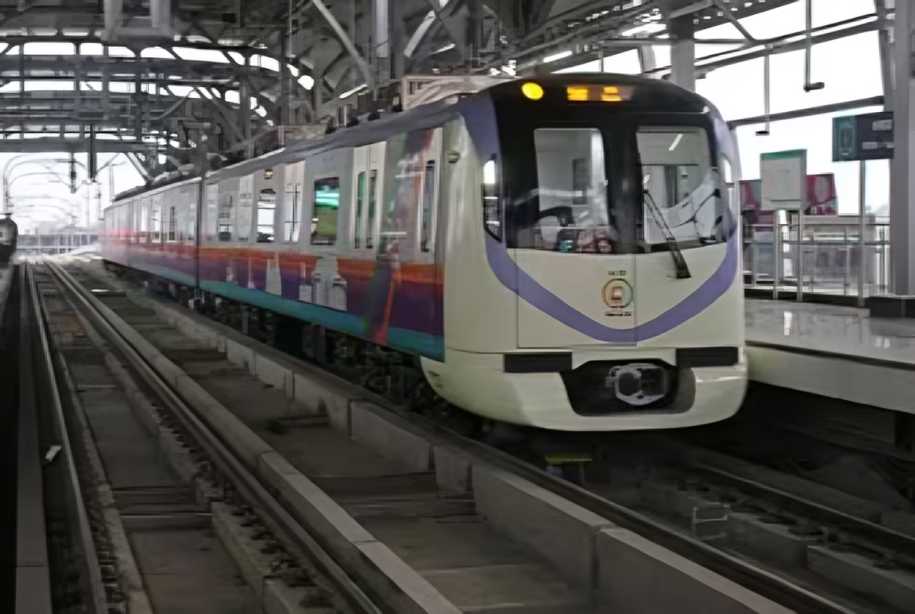
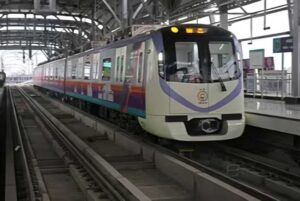
Equally transformative has been the Metro expansion. 2025 was widely dubbed the ‘Year of the Metro’, with the full commissioning of Metro Line 3 (Aqua Line). For the first time, Colaba and SEEPZ are connected via an underground, air-conditioned corridor, easing pressure on the suburban rail network.
Urban upgrades and visual renewal
Beyond transport, the BMC has invested heavily in civic upgrades under its City Beautification Project. Illuminated flyovers, theme-based murals, and the 5.25-km Worli seaside promenade have reshaped public spaces. Suburban wards such as Goregaon have seen efforts to create ‘hawker-free’ zones and revive water bodies like the Oshiwara river, though environmental concerns persist.
Economic impact and what lies ahead
Improved connectivity has fuelled a real estate surge in areas like Ulwe and Panvel, bolstered by the launch of commercial flights from Navi Mumbai International Airport in December 2025. As the Model Code of Conduct takes effect, attention now turns to unfinished priorities—missing road links, climate resilience and leveraging infrastructure to support a truly 24/7 city.
Source: The Free Press Journal