
January 9, 2026: The Mumbai Metropolitan Region (MMR) is entering a new phase of infrastructure development, with its principal planning body being reshaped into a central execution agency for large-scale projects. Senior state leaders, speaking at public meetings in Kalyan-Dombivli and Ulhasnagar ahead of forthcoming municipal elections, outlined how the Mumbai Metropolitan Region Development Authority (MMRDA) has evolved from a largely financing-oriented institution into a hands-on builder of transport, water and regional connectivity infrastructure.
This shift reflects the scale and complexity of challenges facing the MMR, where overcrowded suburban trains, fragmented road systems and uneven economic growth can no longer be addressed through limited, project-by-project funding support. Urban planners note that metropolitan regions of this size require empowered agencies capable of planning, financing and delivering infrastructure in an integrated manner, while aligning projects with climate resilience and long-term land-use objectives.
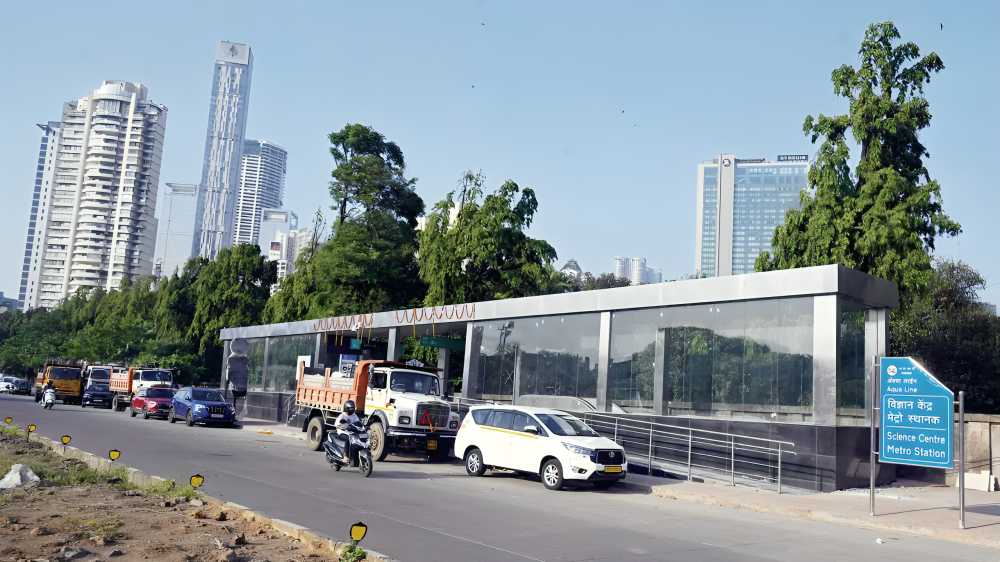
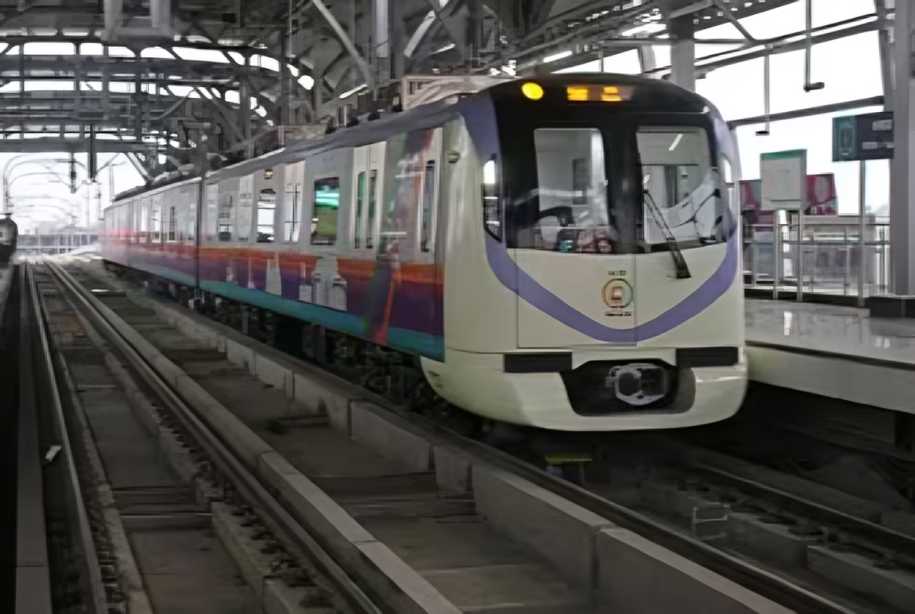
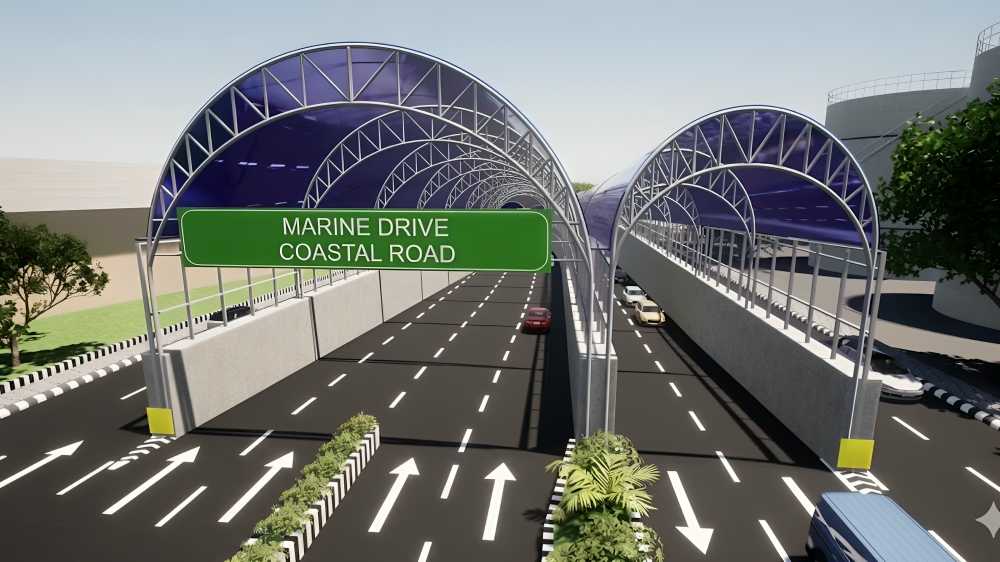
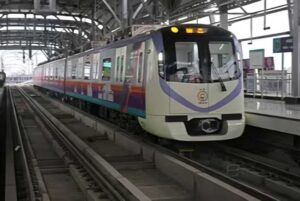
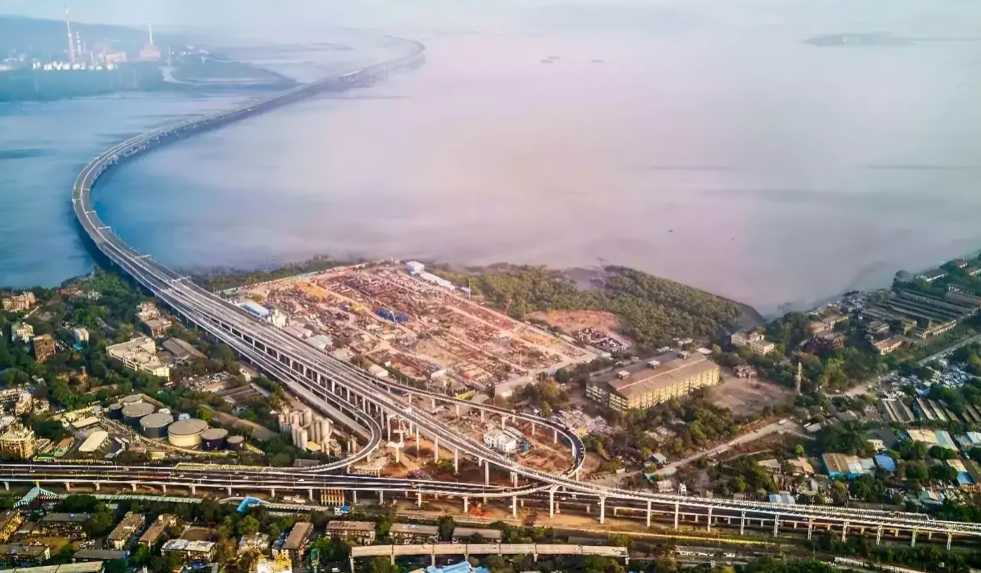
Officials indicated that projects worth several lakh crore rupees are currently being implemented through the MMRDA, covering metro rail corridors, highways, water supply networks and inter-city mobility links. A key focus is expanding mass transit systems to reduce dependence on private vehicles, cut commute times between eastern suburbs, satellite towns and emerging business districts, and lower congestion-related productivity losses.
Among the operational priorities highlighted is the modernisation of Mumbai’s suburban rail system. The planned transition to air-conditioned local trains with automated doors is intended to improve safety and commuter comfort without raising base fares. Transport specialists caution, however, that rolling stock upgrades must be accompanied by signalling improvements, capacity expansion and better station-area planning to sustain long-term ridership growth.
The infrastructure push is also tied to economic decentralisation. Authorities outlined plans for a new commercial and employment hub in the Kalyan-Dombivli region, aimed at easing pressure on Mumbai’s traditional business districts. Real estate analysts suggest this could help rebalance housing demand, reduce long-distance commuting and encourage mixed-use development closer to workplaces.
At the same time, officials acknowledged persistent gaps in civic infrastructure in cities such as Ulhasnagar. Urban policy experts argue that governance reforms, consistent enforcement and targeted capital investment will be essential if large-scale infrastructure spending is to translate into tangible improvements in liveability across the wider MMR.