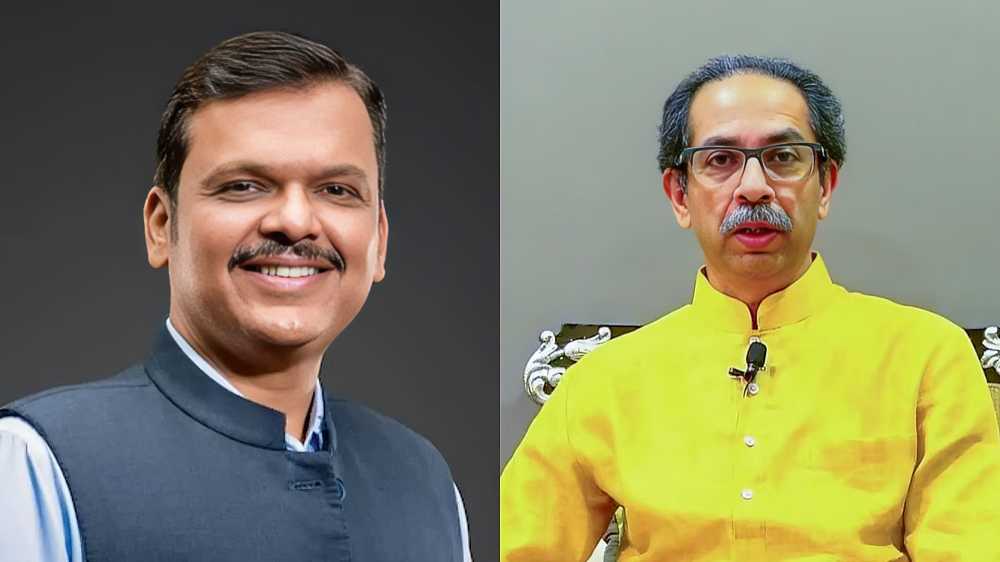

January 9, 2026: As Mumbai heads into the Brihanmumbai Municipal Corporation (BMC) elections, the city’s development trajectory has emerged as a central political flashpoint. Competing narratives from the ruling Mahayuti alliance and the Opposition Mahavikas Aghadi (MVA) have turned infrastructure delivery into a referendum on governance, leadership and speed of execution.
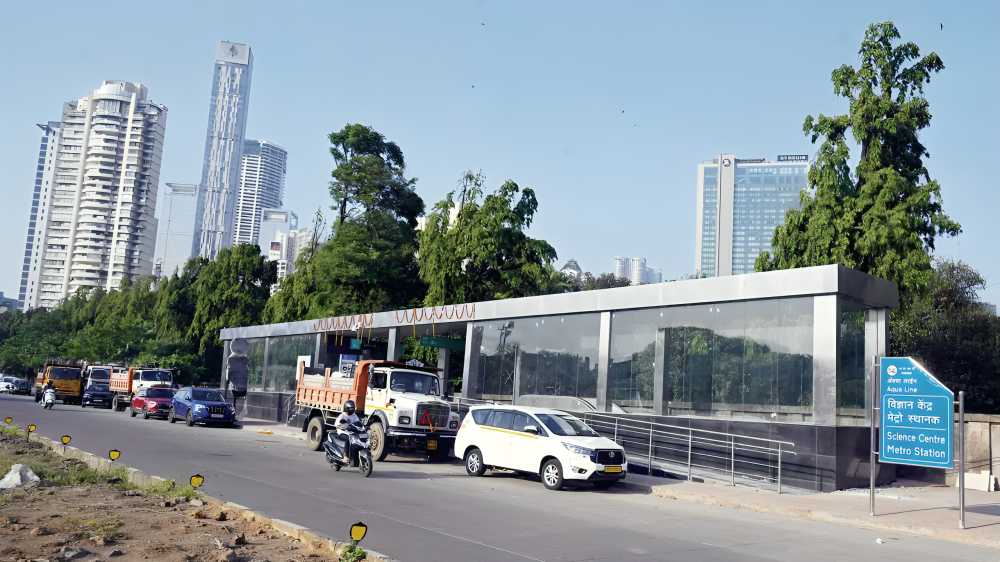
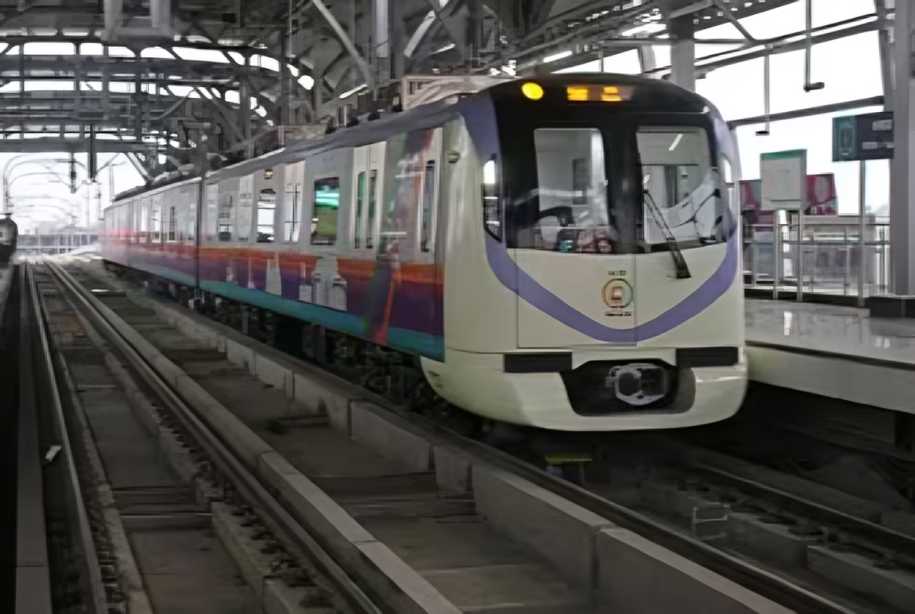
The Mahayuti maintains that Mumbai witnesses faster and more decisive infrastructure growth under governments led by Chief Minister Devendra Fadnavis. Alliance leaders argue that large, complex projects—ranging from Metro corridors and arterial roads to bridges and coastal infrastructure—require swift clearances and strong political will, both of which they claim were lacking during the MVA’s tenure. According to them, delays in transport and connectivity projects directly hurt commuters, businesses and the city’s global competitiveness.
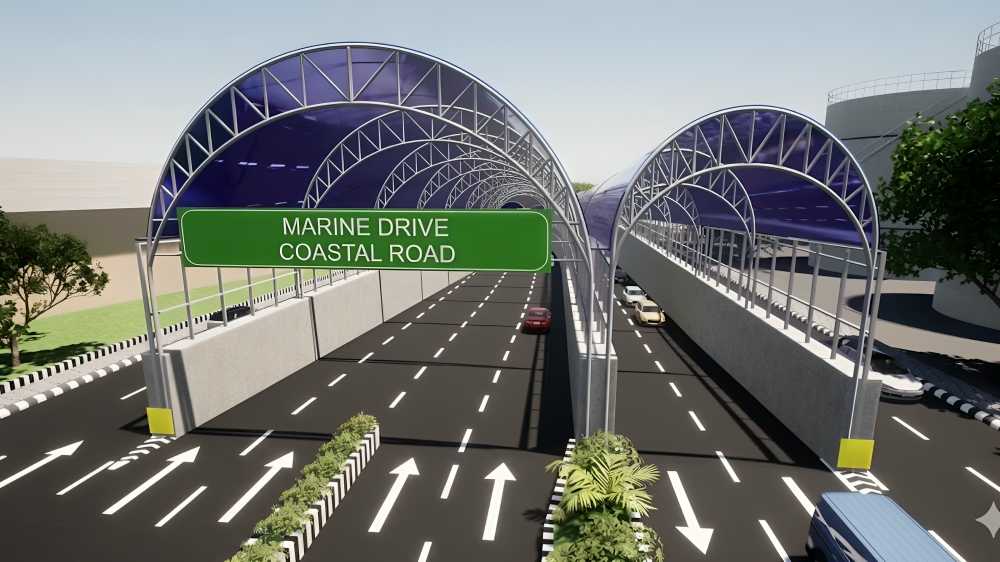
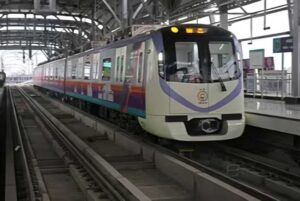
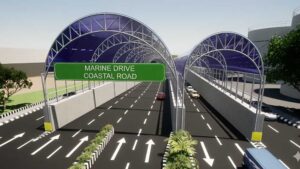
Supporters frequently point to the 2014–2019 period as a turning point, when long-stalled proposals moved into execution. During this phase, multiple Metro lines gained momentum, groundwork began on the Mumbai Trans Harbour Link (now Atal Setu), and the coastal road project transitioned from planning to construction. Mahayuti leaders contrast this with the 2019–2022 period under the MVA government, which they allege was marked by indecision and coalition compulsions.
Criticism of the MVA often centres on the controversy surrounding the Metro Line 3 car shed at Aarey, which became symbolic of what Mahayuti supporters describe as politically driven reversals that led to cost escalations and delays. The period also coincided with the COVID-19 pandemic, when opposition leaders accuse the government of mismanaging both health and infrastructure priorities.
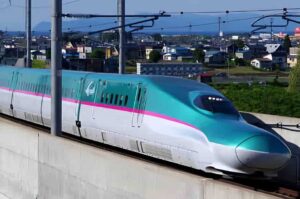
Since the change in government in 2022, the Mahayuti claims that stalled projects have been revived. They cite the inauguration of Atal Setu, visible progress on the coastal road, Metro network expansion and renewed momentum on the Mumbai–Ahmedabad bullet train.
With the civic polls approaching, the debate has crystallised into a broader question for voters: should Mumbai continue on a path of rapid, execution-led development, or risk slipping back into a phase of slower decision-making and uncertainty.
Source: The Free Press Journal