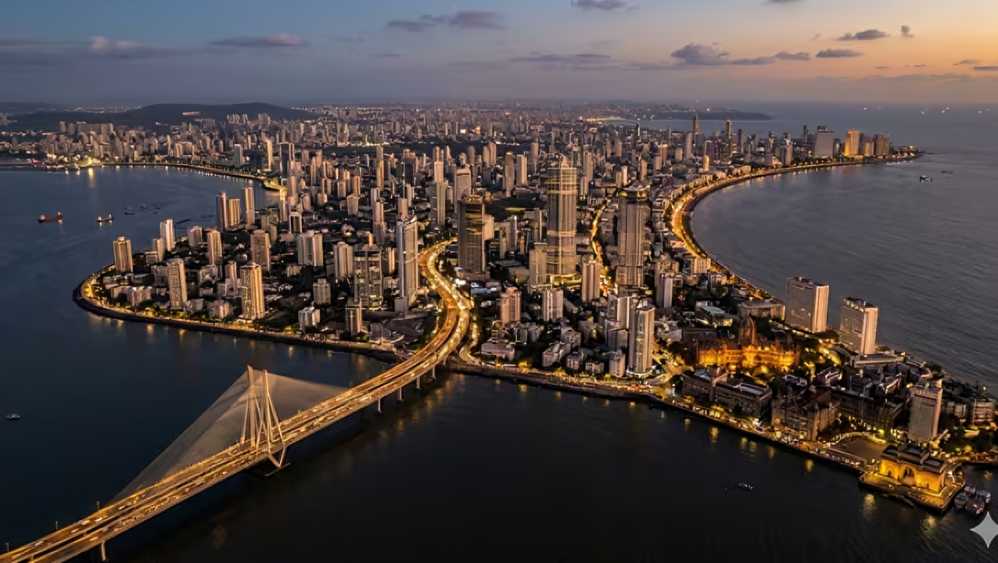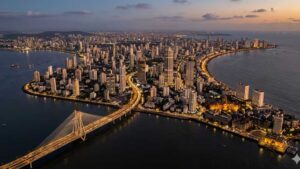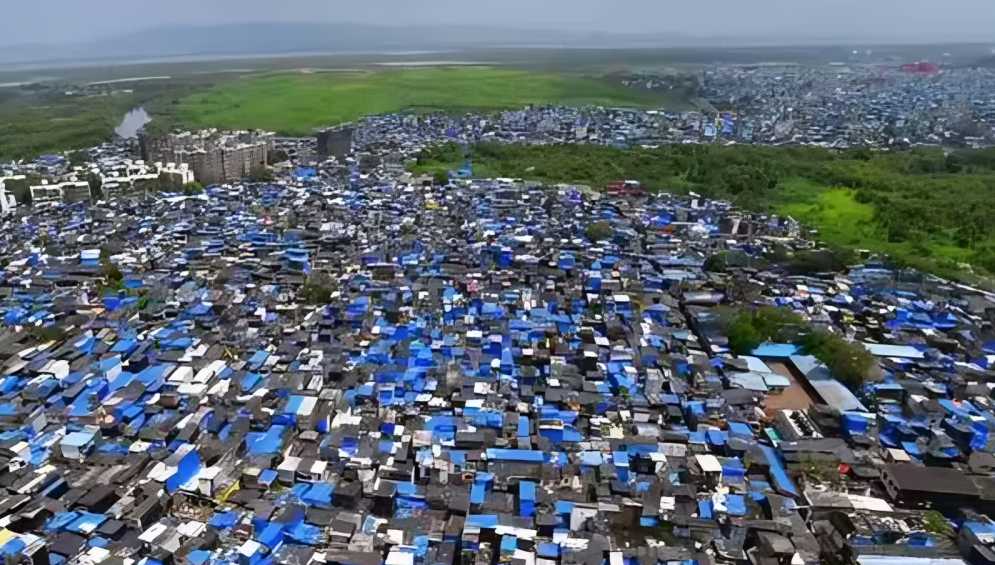

January 9, 2026: Mumbai’s long-standing challenge of informal housing is poised to enter a decisive phase, as the state government unveils a time-bound strategy to transition the city towards formal, serviced housing over the next decade. Central to this vision is the Dharavi redevelopment, designed as a model for large-scale urban renewal that integrates housing, infrastructure, mobility, and economic opportunity.
Senior officials said the roadmap replaces fragmented slum-upgrading schemes with a coordinated framework, combining in-situ rehabilitation, transit-oriented planning, and utility modernisation. “For a city where informal settlements house a significant portion of the workforce, this initiative impacts not just shelter, but also productivity, public health, and climate resilience,” they noted. Urban planners view Dharavi as a test case for socially inclusive yet financially viable inner-city redevelopment. The proposed model emphasises formal housing with secure tenure, sanitation access, and proximity to employment clusters, alongside upgraded transport corridors to reduce commuting times and emissions, supporting Mumbai’s low-carbon mobility goals.
Economic integration is another focus. Experts highlight that embedding commercial spaces, micro-industries, and skill centres within residential layouts will be crucial to preventing displacement. “Housing cannot be separated from jobs in a city like Mumbai,” an urban economist said, stressing that mixed-use planning will determine whether Dharavi strengthens or fragments local economies.
Infrastructure upgrades are also central, including stormwater management, decentralised sewage treatment, and energy-efficient buildings designed to mitigate heat stress and monsoon disruptions. Climate-responsive construction is expected to lower long-term operating costs for both residents and civic authorities.
Execution remains the critical challenge. Past redevelopment efforts have faced financing gaps, consent issues, and inter-agency coordination failures. Policy analysts emphasise that community participation, transparent timelines, and independent monitoring will be key, particularly to ensure women, migrant workers, and informal households are not marginalised. If implemented effectively, Mumbai’s slum transition strategy could redefine urban regeneration in India, turning ambition into liveable, dignified high-density neighbourhoods.
Source: Homes & Buildings