
January 10, 2026: As Mumbai prepares for the 2026 Brihanmumbai Municipal Corporation (BMC) elections, the city’s development trajectory has become a central political flashpoint. With parties sharpening their campaigns, infrastructure delivery under competing alliances is being positioned as a key differentiator. Supporters of the ruling Mahayuti alliance argue that large-scale projects have progressed faster under governments led by Devendra Fadnavis, while critics accuse the Mahavikas Aghadi (MVA) of delaying or stalling major works during its tenure.
Leaders aligned with the Mahayuti claim their administrations restored Mumbai’s image as dhavanari Mumbai, emphasising speed and execution. They argue that delays in roadworks, metro corridors and connectivity projects directly affect millions of commuters and businesses, and that many interruptions stem from political rivalry rather than technical or financial constraints.
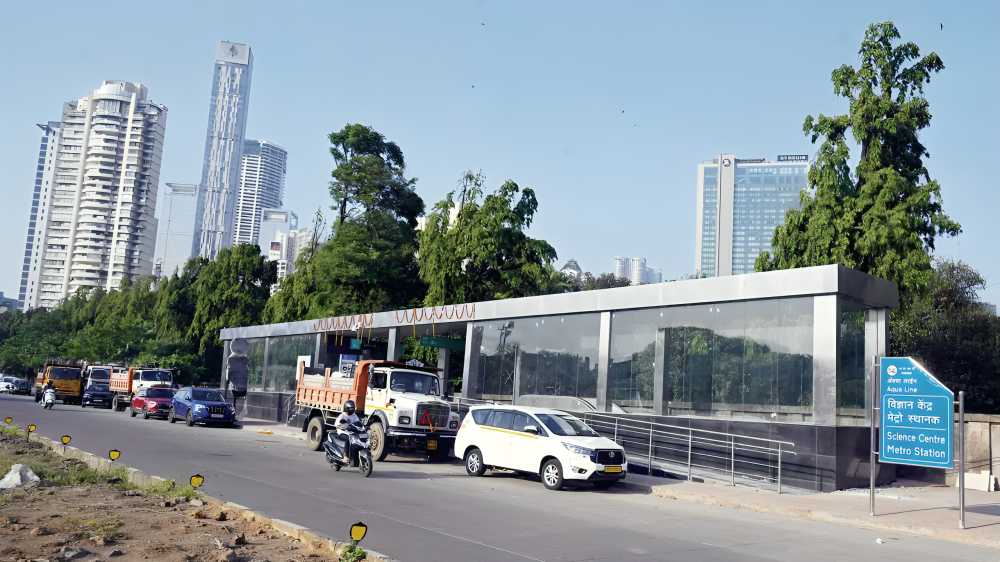
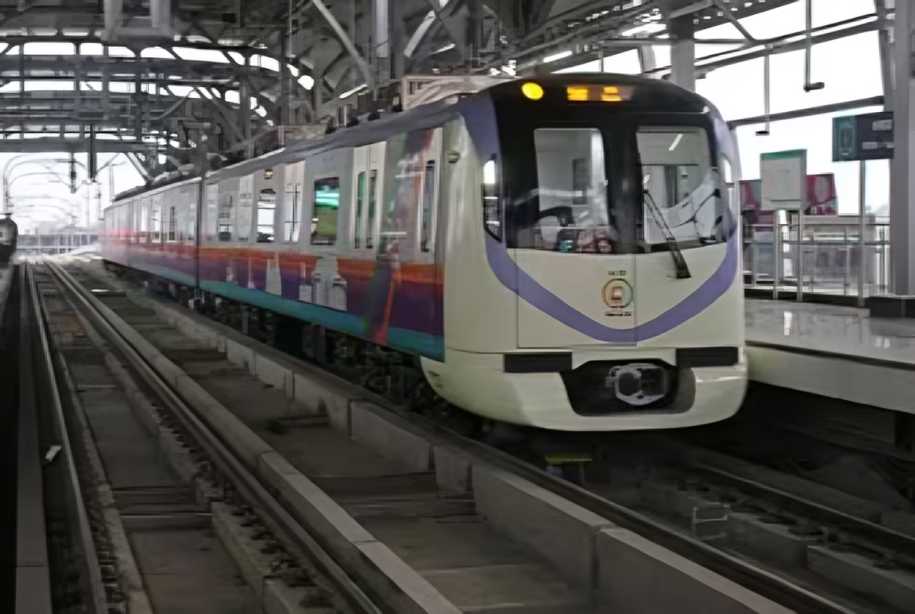
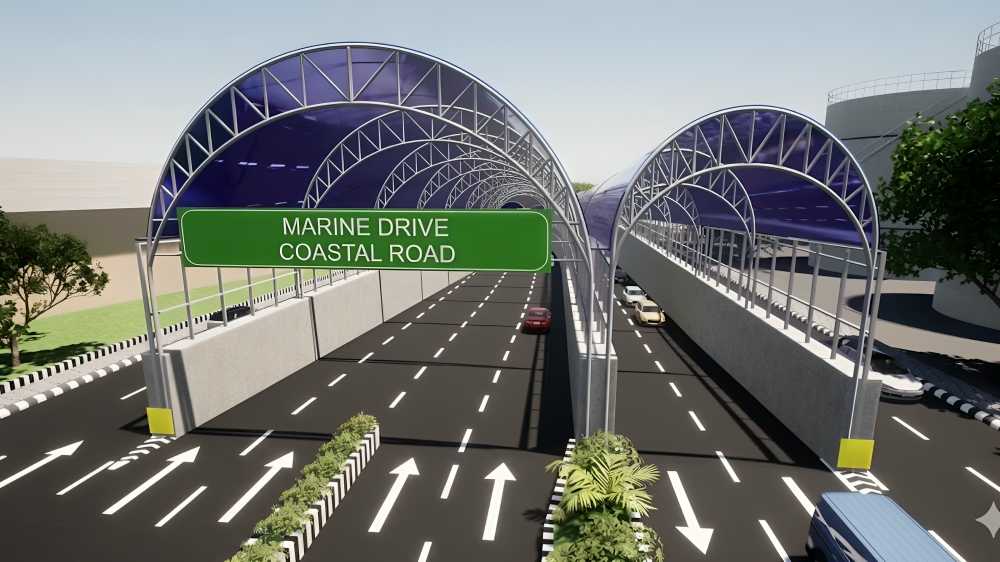
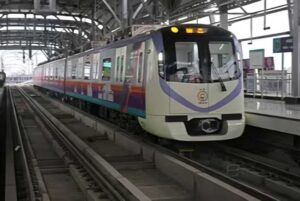
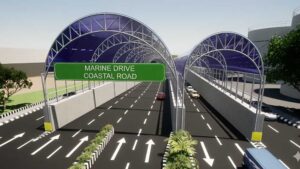
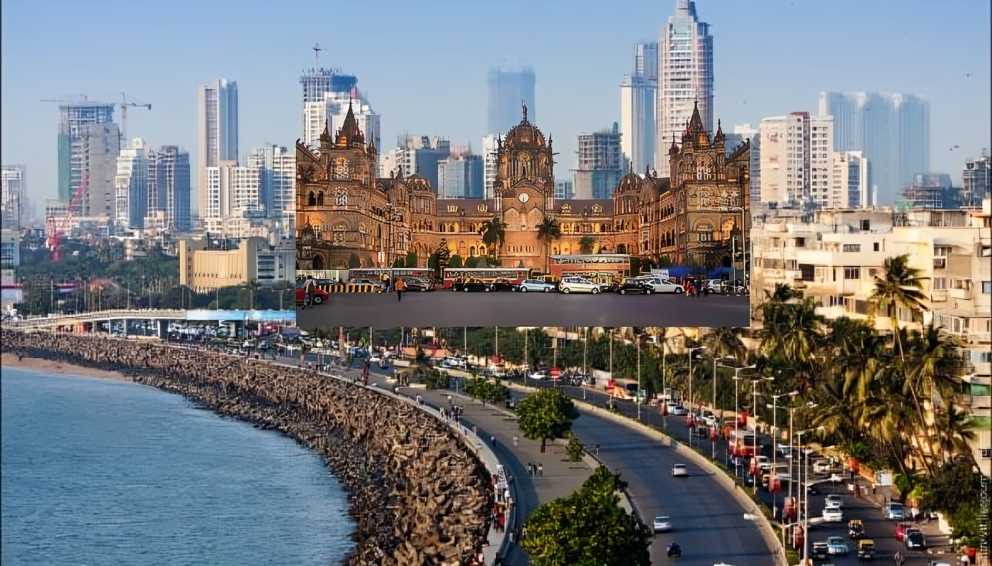
Between 2014 and 2019, when Devendra Fadnavis served as chief minister, several long-pending infrastructure proposals moved from planning to implementation. Supporters highlight the expansion of metro corridors, progress on the coastal road, and the launch of the Mumbai Trans Harbour Link, later inaugurated as Atal Setu, as evidence of decisive governance. This period is often described by allies as one of the city’s most significant infrastructure phases in recent decades.
Backers of the Fadnavis administration also argue that administrative approvals were faster and decision-making clearer, creating a long-term vision for transport connectivity. They contrast this with subsequent years, pointing to revised timelines for tunnels, bridges and underground metro projects.
Opposition voices allege that during the MVA tenure, focus shifted away from both welfare-linked and infrastructure initiatives, including Jalyukt Shivar and metro expansion. They further contend that during the pandemic, governance challenges and allegations related to procurement and food supply contracts intensified political criticism.
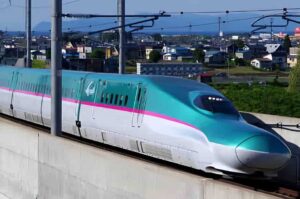
Following the 2022 change in government, with Eknath Shinde as chief minister and Devendra Fadnavis as deputy chief minister, Mahayuti supporters say stalled projects were revived swiftly. The opening of Atal Setu, progress on the coastal road, advancing metro lines and the Mumbai–Ahmedabad bullet train are cited as examples of renewed momentum.
With the Mahayuti returning to power in the 2024 Assembly elections, parties are now framing the BMC contest as a choice between continuity in infrastructure development and a return to what critics describe as slower governance. As Mumbai approaches another electoral milestone, the debate increasingly centres on whether the city will pursue gatiman vikas or face another phase of delays and uncertainty.