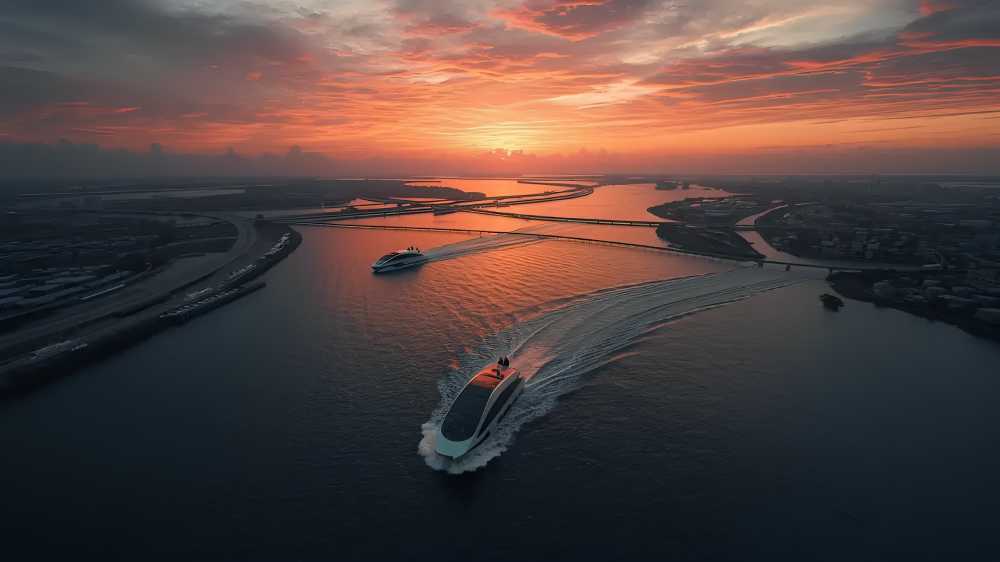

January 10, 2026: The Maharashtra government is planning an extensive water transport network of nearly 200 nautical miles to improve connectivity across the Mumbai Metropolitan Region (MMR), linking distant suburbs with the Navi Mumbai International Airport and key business districts such as Nariman Point. Chief Minister Devendra Fadnavis said the proposed waterways could eventually cater to nearly 1.6 crore passengers and help reduce pressure on the region’s heavily congested road network.
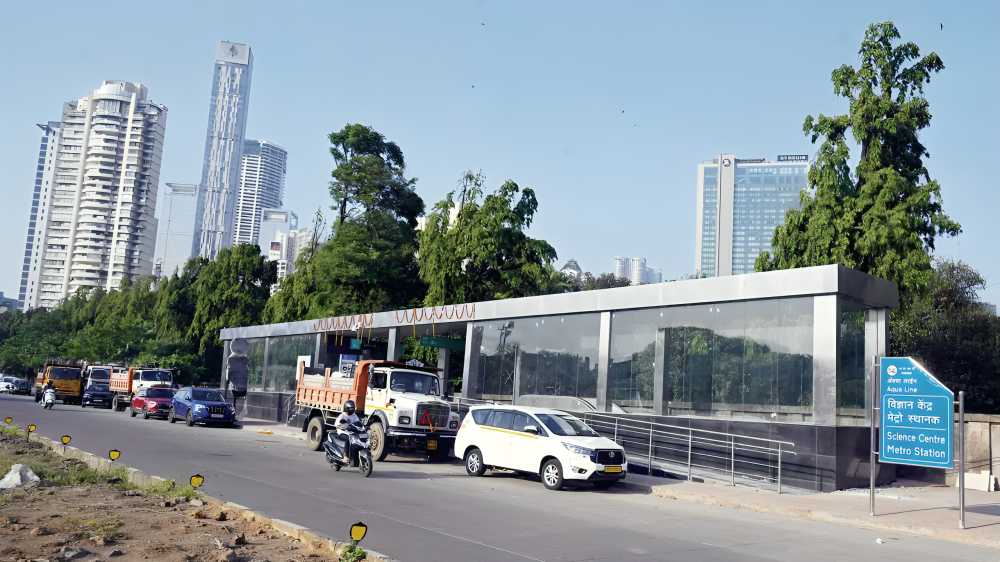
According to the plan, water transport will complement ongoing investments in metro rail, suburban railway upgrades, road infrastructure and civic utilities. Fadnavis said areas such as Thane city and district, along with Raigad, are fast emerging as major investment destinations, necessitating large-scale mobility solutions. To address chronic congestion in Thane, the state aims to operationalise 475 km of metro corridors by 2030. These lines are expected to form a loop around Mumbai, improving east-west and north-south connectivity while linking the suburbs more efficiently with Thane and other parts of the MMR.
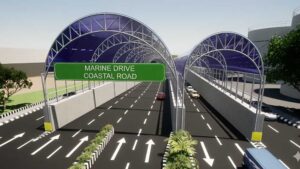
The chief minister said that all modes of transport—metro, suburban rail, roads and waterways—would be integrated under a single operational framework to ensure smoother commuter movement. Among key road projects cited were the Aamne–Kasheli–Bhayander road and a proposed elevated corridor connecting Thane directly with the Navi Mumbai airport, according to a report by The Times of India. He also reiterated plans to upgrade Mumbai’s suburban railway network with air-conditioned coaches, while retaining existing fare levels. Around the bullet train station near Thane, the government plans to develop a technology-focused hub.
Beyond transport, Fadnavis pointed to progress in civic infrastructure. Waste processing capacity is expanding, raising the possibility that cities such as Mumbai and Thane may eventually phase out traditional dump yards. To address long-term water needs, the state is also moving ahead with the construction of the Poshir and Shilar reservoirs, aimed at securing water supply for growing urban populations.