
January 10, 2026: Mumbai’s residential property market ended 2025 on a stable footing, with housing sales rising marginally by 1% year-on-year to 97,188 units, according to a report by Knight Frank India. Momentum strengthened in the second half of the year, when transactions increased 3% year-on-year to 50,153 units. While headline volumes remained steady, the report highlighted a clear structural shift towards premium housing, with stronger participation in the Rs 2 crore to Rs 5 crore and Rs 5 crore to Rs 10 crore segments.
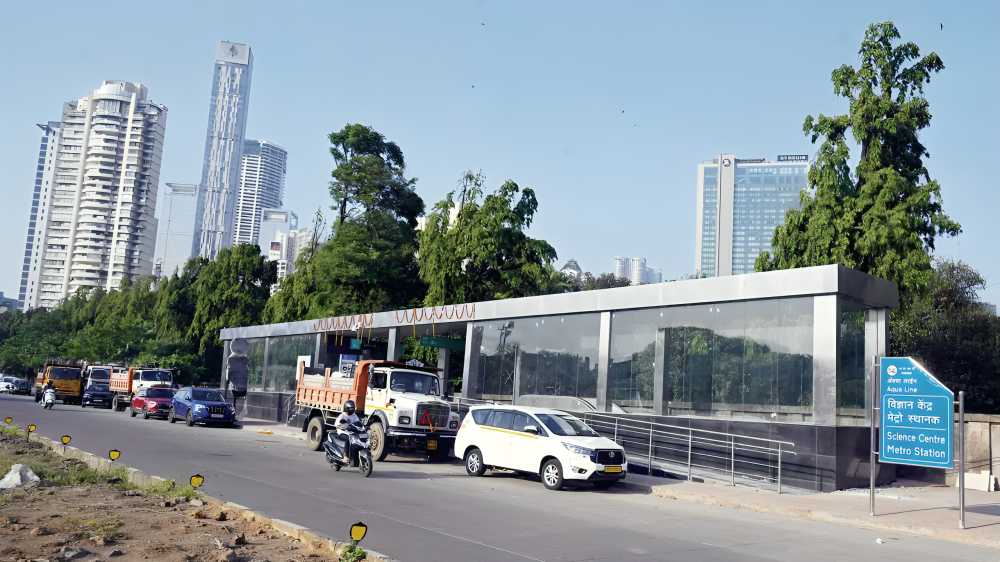
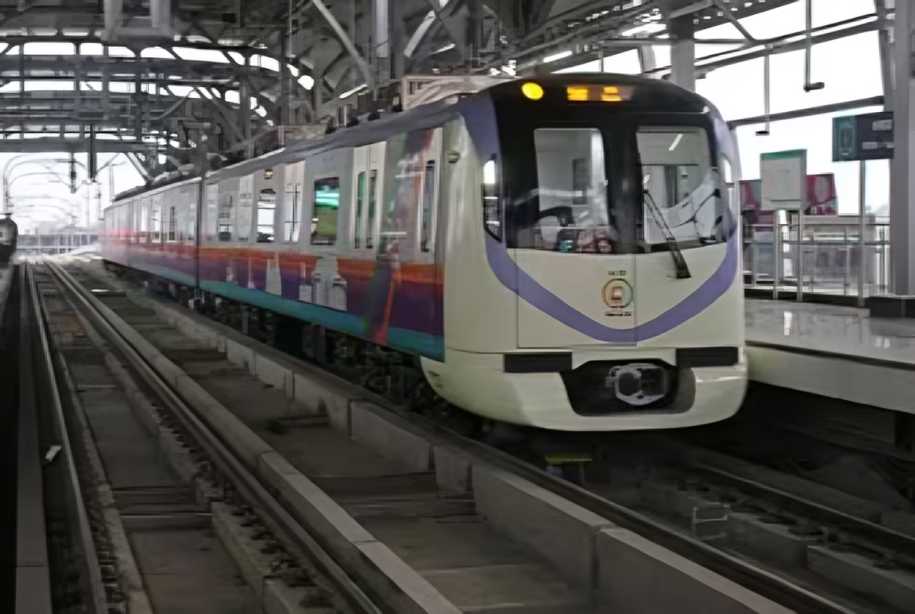
Developers responded to evolving demand patterns with supply discipline, reducing annual housing launches by around 10% to better manage inventory. At the same time, a 7% increase in prices and expanding metro connectivity continued to redirect buyer interest toward peripheral micro-markets that offered better value propositions and improved commuting options.
The report noted a flattening trend in affordable housing demand. Homes priced below Rs 50 lakh saw their market share decline from 42% in the second half of 2024 to 37% in the same period of 2025. In contrast, higher ticket segments gained share, with the Rs 2 crore to Rs 5 crore category emerging as the market’s sweet spot, supported by a healthy Quarters-to-Sell ratio of 3.9 quarters.
Strategic moderation in supply helped reduce unsold inventory by 6%, bringing the total to 155,604 units by the end of the year. “The rise in share for the Rs 2 crore to Rs 5 crore and Rs 5 crore to Rs 10 crore segments highlights a growing homebuyer confidence in premium housing that offers better lifestyle amenities,” said Gulam Zia, International Partner and Senior Executive Director at Knight Frank India.
On the commercial side, Mumbai’s office market recorded total leasing of 9.8 million sq ft in 2025, a 5% year-on-year decline, yet marked the second-strongest year for office activity in more than a decade. Leasing in the second half stood at 4.3 million sq ft. The report highlighted a sharp rise in the share of global capability centres, which increased from 9% to 27% year-on-year, alongside growth in third-party IT and ITeS activity.
“2025 recorded the second-highest annual leasing volume in over a decade,” Zia said, adding that demand increasingly favoured well-connected suburban hubs offering scale and infrastructure.