
January 10, 2026: Mumbai’s largest transport projects rarely unravel through open controversy. Instead, they tend to drift into trouble through unexplained contractor exits, replacements without fresh tenders, and cost escalations that receive approval long after initial commitments were made. The Versova–Bandra Sea Link and the Mumbai Monorail, conceived years apart under different administrations, now reflect strikingly similar trajectories.
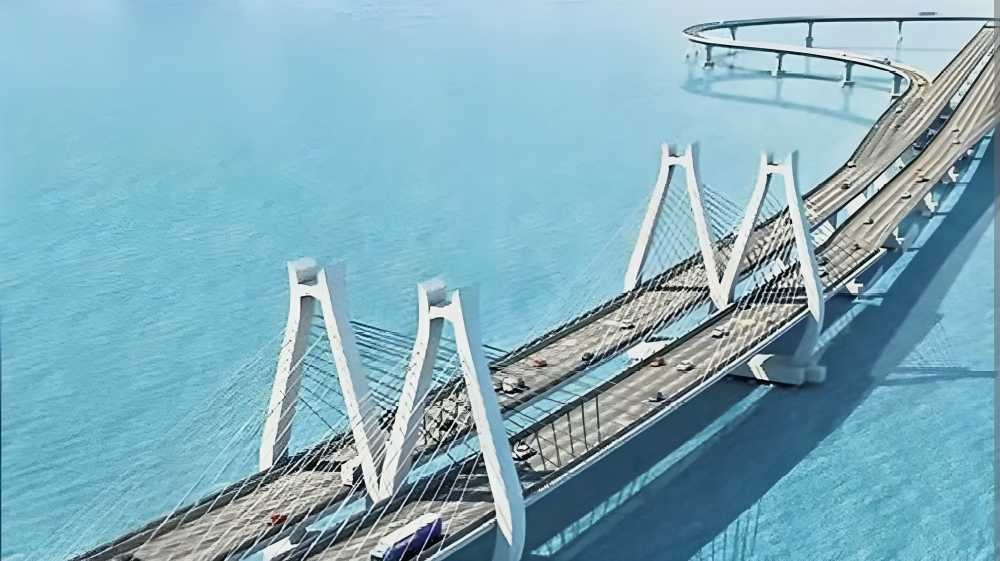
Approved in 2017 at Rs 7,502 crore, the Versova–Bandra Sea Link (VBSL) was planned as a 17-km corridor aimed at reducing travel time between Bandra and Versova from 90 minutes to 15. In 2018, Reliance Infrastructure, in partnership with Italy’s Astaldi, secured the EPC contract at Rs 6,993.99 crore. Execution proceeded under the Maharashtra State Road Development Corporation, but progress slowed by 2021–22 amid pandemic disruptions, extended monsoons and disputes over pace and penalties.
Rather than renegotiation or arbitration, the project saw a contractor exit. In 2022, Reliance Infrastructure transferred its stake, with execution moving to Webuild, Astaldi’s parent, and APCO Infratech. The project was not re-tendered. Subsequently, revised designs and scope changes were introduced, and cost estimates rose sharply. The project cost climbed to Rs 11,332 crore and, in 2024, received approval for a further escalation to Rs 18,120.96 crore. As of early 2026, the Sea Link is reported to be about 26% complete, with completion now targeted for December 2028.
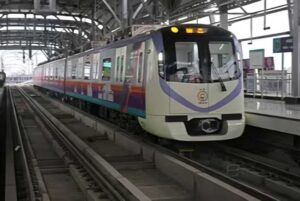
A similar pattern is visible in the Mumbai Monorail project. India’s first monorail, spanning 19.54 km, struggled with operational issues and low ridership, accumulating losses estimated at Rs 520 crore by 2023–24. After the exit of the original operator in 2018, services were suspended in September 2025. A fresh operations and maintenance contract was awarded in 2025 to Power Mech Projects Ltd following a global tender.
Taken together, the two projects highlight a recurring cycle: contractor exits, continuation without fresh bidding, scope expansion and rising costs. While both projects remain necessary for the city, their trajectories underline concerns around execution discipline, competitive processes and long-term accountability in Mumbai’s infrastructure delivery.
Source: Business World