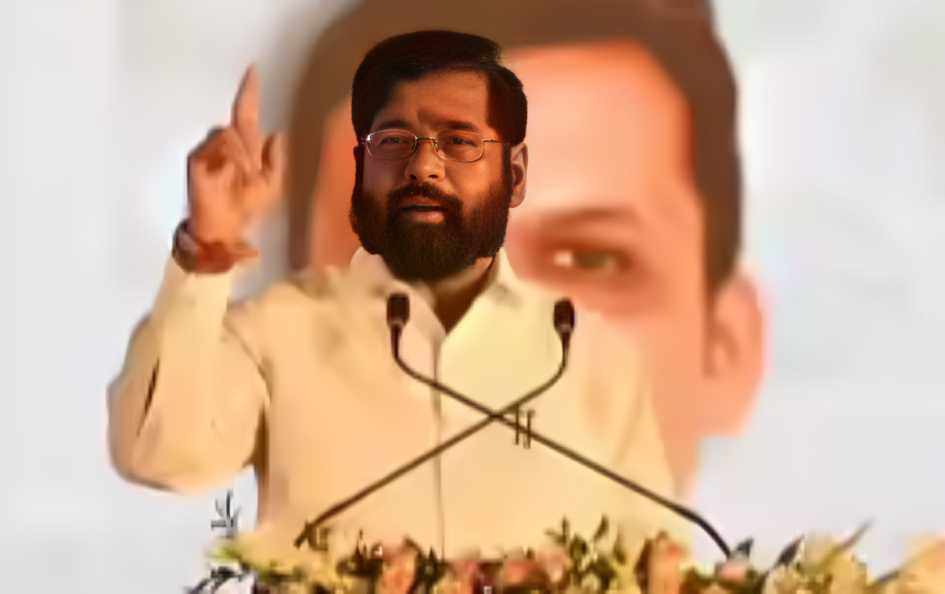

January 10, 2026: The Shiv Sena led by deputy chief minister Eknath Shinde has placed large-scale housing rehabilitation for Maharashtrian-dominated slum clusters at the core of its civic election strategy, with the party set to unveil its Brihanmumbai Municipal Corporation (BMC) manifesto on Saturday. The Sena is proposing a cluster redevelopment policy targeting 17 major slum pockets across Mumbai, arguing that control over both the state and civic administration will ease implementation.
“Because we control urban development, it will be easier for us to get this implemented. This is the main thrust of our BMC manifesto which will be unveiled on Saturday,” said former MP Rahul Shewale. The party is positioning housing as a counter to the Sena (UBT)-MNS narrative around Marathi identity, framing redevelopment as a question of basic rights rather than symbolism.
At the centre of the proposal is the implementation of the 2034 Development Plan through cluster-based redevelopment, with Ramabai Nagar cited as the reference model. “The model for this whole plan is the Ramabai Nagar project, where they have moved out 4,000 people and given rent to them,” Shewale said, referring to transit housing and rental compensation. According to him, 17 clusters of around 15 hectares each will be redeveloped. “Instead of isolated vertical slum buildings, we will create township-like neighbourhoods with housing, parking, open spaces, healthcare, schools and commercial zones,” he said.
The Sena also plans seven additional clusters in Prabhadevi and Dadar, including the Khandke building precinct. “This is where Hindu Hridaysamrat Balasaheb Thackeray groomed the Shiv Sena in its initial days,” Shewale said.
Economic empowerment of Marathi entrepreneurs is another focus. Marking Balasaheb Thackeray’s birth centenary on January 23, the party plans to support startups through state-backed funding. “Many Marathi entrepreneurs have ideas and skills but lack seed capital. Govt-backed seed funds, credit guarantees and partnership models will be created,” Shewale said, adding, “Economic empowerment of Marathis is central to preserving Mumbai’s character.”
Shewale also flagged proposals for pagdi tenants and stressed the need for coordination between governments. “Mumbai’s infrastructure and housing needs cannot be addressed by the civic body alone. Coordination between the state and Centre is critical,” he said.
Among major infrastructure proposals is a Rs 50,000-crore utility tunnel network. “This will end repeated road digging and ensure durable roads for decades. Global cities have adopted this model and Mumbai must do the same,” Shewale said.