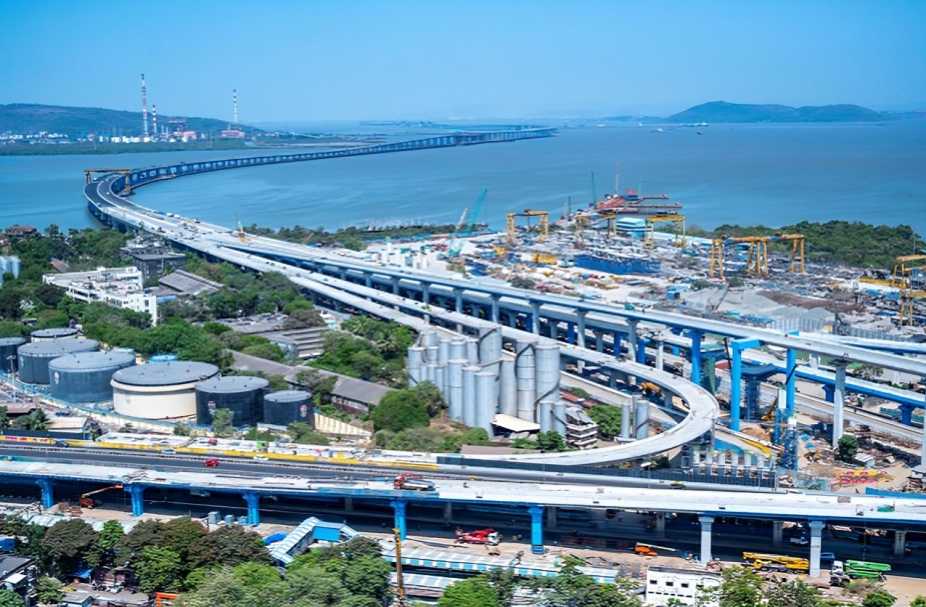

January 12, 2026: The critical road connection between Mumbai’s Atal Bihari Vajpayee Sewri–Nhava Sheva Atal Setu and the Navi Mumbai Coastal Road is almost ready but remains stalled due to pending environmental clearance related to mangrove forests. While the coastal road itself is nearing completion, the final link that would provide direct, seamless access from Mumbai to Navi Mumbai and the upcoming international airport cannot move forward.
The delay is not technical but environmental. The proposed connector passes through mangrove land, and authorities have yet to verify the exact number of trees affected. This has prevented the issuance of Coastal Regulation Zone (CRZ) clearance, a mandatory approval for projects impacting protected coastal ecosystems. Mangroves act as natural flood barriers, prevent coastal erosion, and support marine life, so any disturbance requires strict assessment.
According to project plans, 4,510.81 square metres of mangrove area will be impacted. The Maharashtra Coastal Zone Management Authority has emphasised that simply stating the affected area is insufficient; a physical count of trees is necessary for accurate environmental assessment. The Mumbai Metropolitan Region Development Authority (MMRDA) plans six ramps at the Shivajinagar (Gavan) interchange to connect Atal Setu with the Navi Mumbai Coastal Road, requiring 32,166.90 square metres of land, including 4,424.57 square metres under mangrove coverage. Toll plazas will occupy an additional 4,383.16 square metres, including 86.24 square metres of mangrove land.
The Forest Department’s Mangrove Cell has instructed MMRDA to conduct a detailed site survey to document the number of trees, assess environmental impact, and propose compensatory measures. Only after this report is submitted can the CRZ authority reconsider clearance.
Officials say the delay is procedural and environmentally driven, not due to construction issues. Once operational, the Atal Setu–Coastal Road connector will cut travel time, reduce congestion, and improve connectivity between Mumbai, Navi Mumbai, and the new international airport. Until CRZ approval is granted, however, commuters will have to wait for the full benefits of the corridor. The situation underscores how environmental compliance remains a decisive factor in India’s major infrastructure projects.