
January 12, 2026: Over the past ten years, Mumbai has undergone a wide-ranging transformation shaped by sustained investment in infrastructure, housing, and public services. Under Chief Minister Devendra Fadnavis, the “Mumbai Transformation” vision sought to address long-standing urban challenges such as congestion, overburdened transport systems, and uneven development, while reinforcing the city’s role as India’s financial centre. A coordinated approach brought together transport, housing, and economic planning, reviving projects that had remained stalled for years and aligning them with the city’s long-term growth goals.
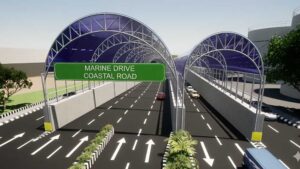
Connectivity formed the core of this strategy. Roads, metro corridors, rail networks, sea links, and airports were planned as part of an integrated system rather than as isolated projects. Among the most prominent outcomes is the Mumbai Trans Harbour Link, known as Atal Setu, a 21.8-kilometre sea bridge connecting South Mumbai with Navi Mumbai. The project has eased pressure on existing road networks and opened new routes for logistics, industry, and regional travel. On the western coast, the coastal road has improved travel between South Mumbai and the suburbs, reducing travel time and easing congestion.
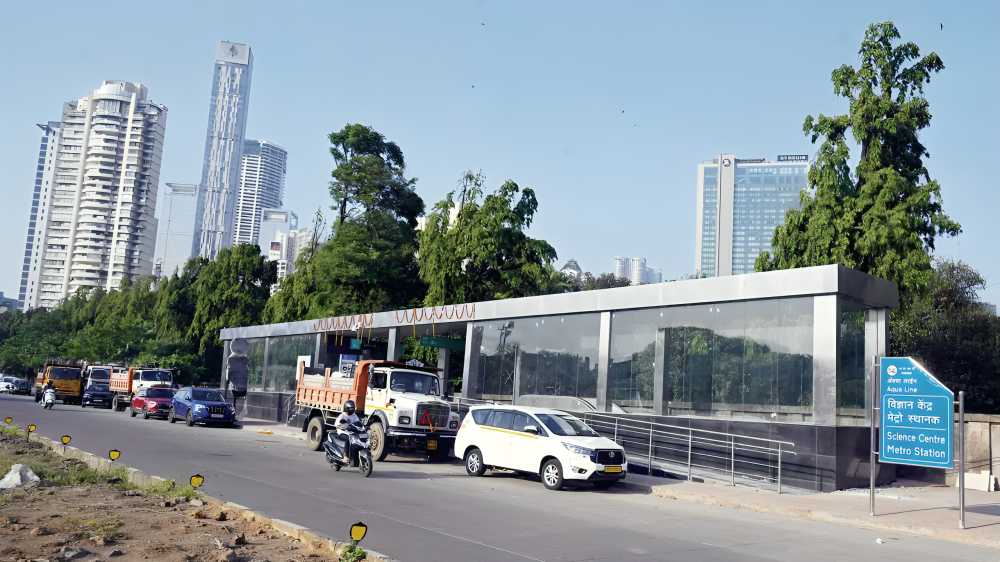
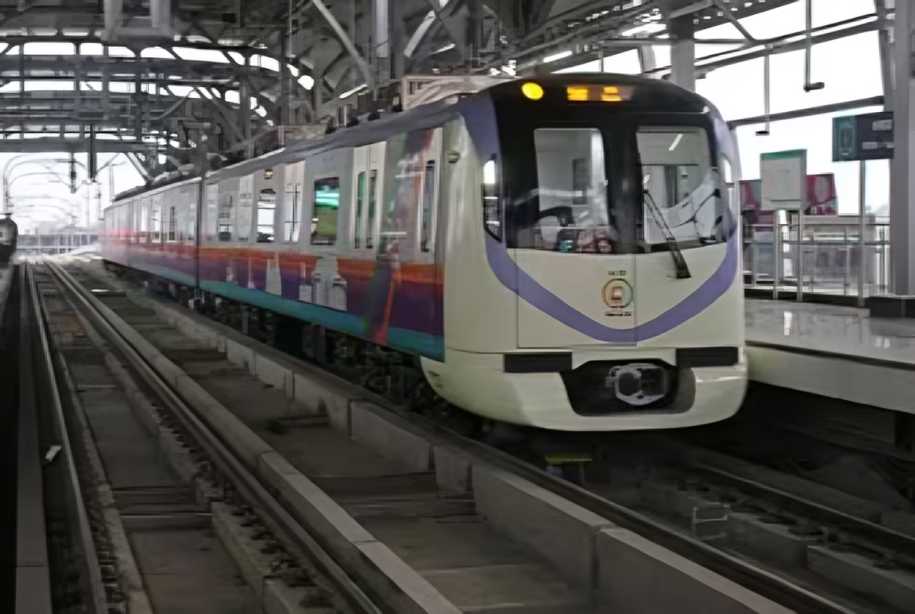
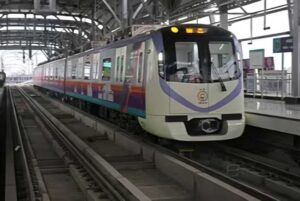
Metro expansion has also altered daily commuting patterns. With Metro Line 3 and suburban corridors such as Lines 2A and 7 moving from planning to operation, high-capacity public transport has reduced dependence on road travel and eased load on suburban railways. Improved access around metro stations has encouraged transit-oriented residential and commercial development.
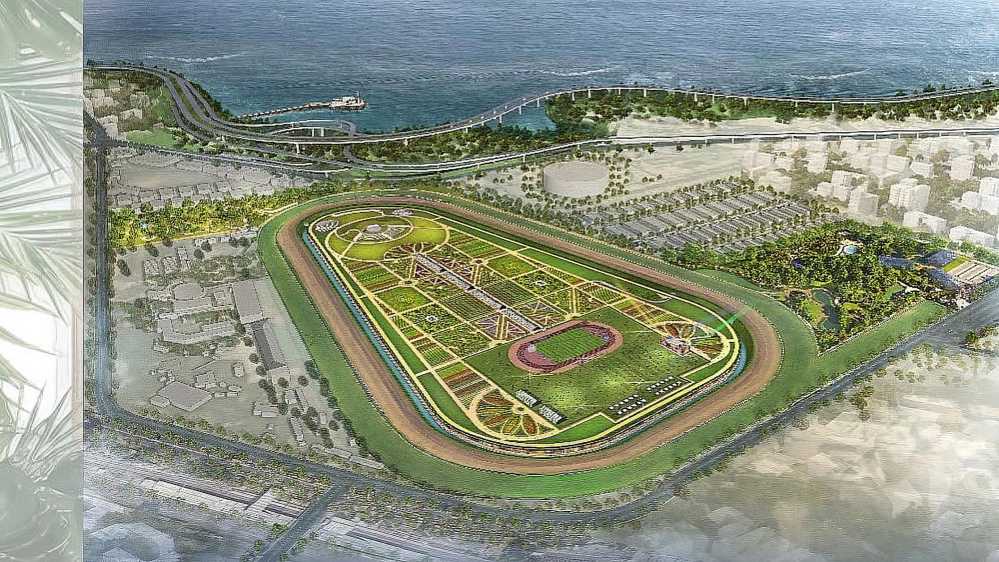
Urban development was linked to a broader economic agenda. The Navi Mumbai International Airport became central to plans for future aviation capacity, while incentives for data centres, fintech firms, and global companies strengthened Mumbai’s digital and financial ecosystem. At the same time, redevelopment initiatives such as Dharavi and BDD chawls aimed to improve housing conditions and formalise urban spaces.
Governance reforms, including the Chief Minister’s War Room, helped coordinate approvals and execution, while sustainability measures focused on electric mobility, water transport, and environmental safeguards. Together, these efforts have reshaped Mumbai into a more connected, functional, and forward-looking metropolis.