January 19, 2026: The Maharashtra Cabinet has approved a wide-ranging set of policy decisions aimed at strengthening infrastructure, improving urban mobility, supporting workforce welfare and expanding employment avenues across the state. Taken together, the measures reflect an effort to address long-pending gaps in transport, housing, rural irrigation and institutional capacity, while aligning development priorities with economic and social needs.
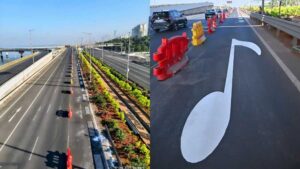
Commuter relief formed a key part of the decisions, with the Cabinet extending the concessional toll rate on the Atal Bihari Vajpayee Sewri–Nhava Sheva Atal Setu. The toll of ₹250 will continue for another year, ensuring affordability for regular users of the Mumbai Trans-Harbour Link. The extension is expected to benefit both private vehicle owners and electric vehicle users, supporting cost efficiency and encouraging cleaner modes of transport.
Housing issues faced by police personnel were addressed through approval of the Mumbai Police Housing Township project. The plan provides for the construction of around 45,000 government residential units across Mumbai city and suburban areas. The project is intended to ease long-standing accommodation shortages, with better housing conditions expected to improve morale and operational readiness within the police force.
The Cabinet also approved the Maharashtra Agency for Holistic International Mobility and Advancements (MAHIMA), an initiative focused on overseas employment. The agency will serve as a structured platform for skill development, international placement facilitation and coordinated execution, enabling trained youth from the state to access global job opportunities in an organised manner.
In the agriculture sector, administrative approval of ₹4,775 crore was granted for the Bembala River irrigation project in Yavatmal district. The project is expected to provide irrigation to over 52,000 hectares across five talukas. Decisions were also taken to resolve rehabilitation and resettlement issues related to project-affected families in Amravati district.
Urban transport development received further support with the approval of revised cost estimates and the state’s financial contribution for Mumbai Urban Transport Project Phase-2. In addition, funding under the PM E-Drive scheme was cleared for the procurement of 1,000 electric buses for Pune, along with mechanisms to ensure timely payments to suppliers.
Other approvals covered land fee waivers for religious infrastructure, land allotments for agricultural export hubs, restructuring of economic and statistical departments, and allocation of land for development corporation headquarters. Collectively, the Cabinet’s decisions underline a multi-sector approach, with infrastructure expansion, social welfare and administrative efficiency positioned as key pillars of Maharashtra’s development strategy.
Source: Prop News Time