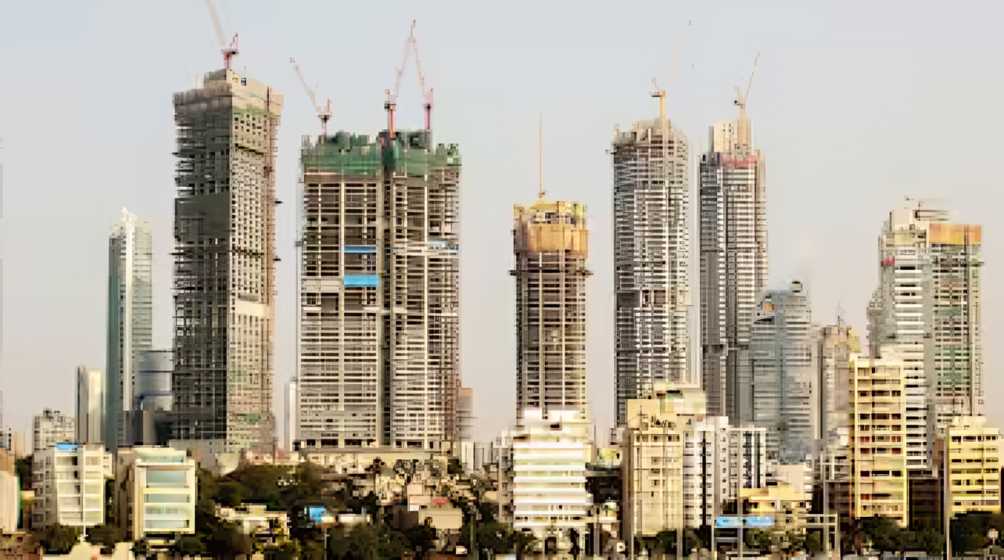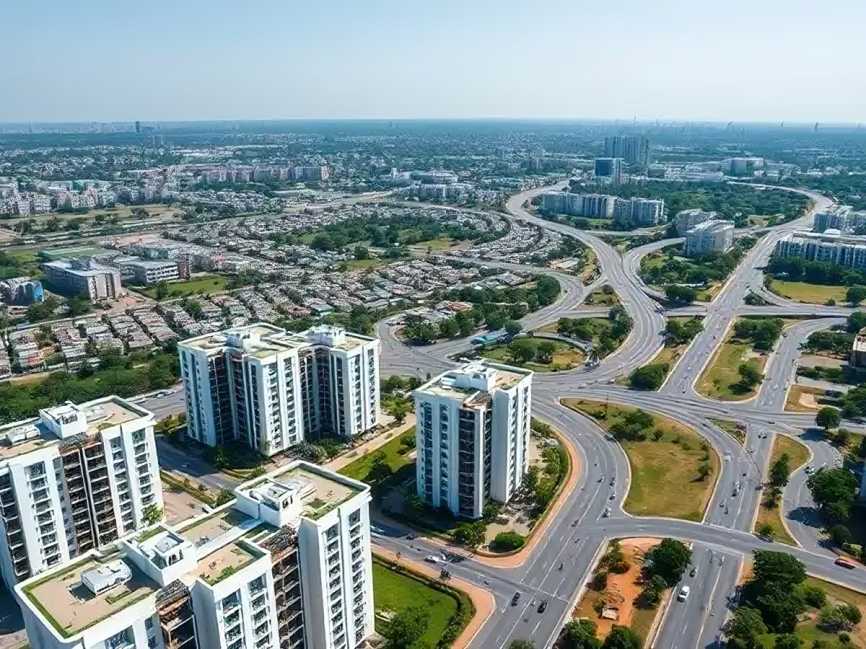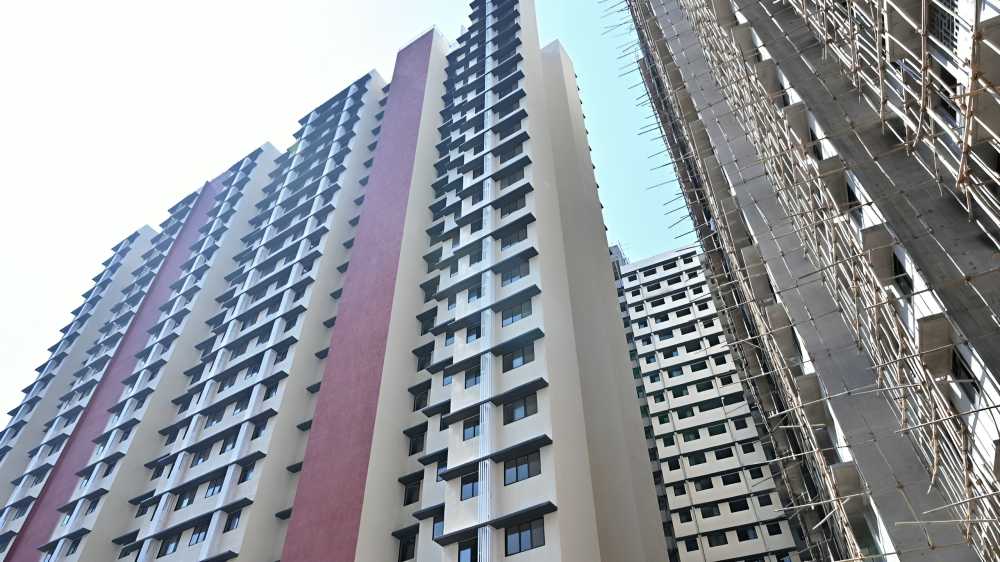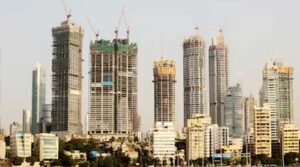

January 19, 2026: Real estate developer Runwal Enterprises has secured redevelopment rights for two prime land parcels spanning a combined four acres in south Mumbai’s Marine Lines and the western suburb of Bandra, with a cumulative gross development value estimated at over Rs 5,000 crore. Both projects will be undertaken under the cluster redevelopment framework permitted under Regulation 33(9) of the Development Control and Promotion Regulations (DCPR), a policy the state government has been promoting to fast-track large-scale urban renewal.
“These concluded agreements are for the redevelopment of two private housing societies on these prime land parcels, including the acquisition of rights for the Marine Lines project, which had been stalled for over 10 years and is now set for a revival,” said Subodh Runwal, director of Runwal Enterprises, told ET.
The developer plans to invest more than ₹2,500 crore across the two projects, which together involve over 600 existing society members. Runwal Enterprises is currently in the process of obtaining the necessary government approvals and intends to fund the developments through internal accruals. The combined projects are expected to deliver around one million sq ft of built-up area, covering both free-sale and rehabilitation components.
The Marine Lines project, located near Saifee Hospital, is a sea-facing redevelopment spread over 1.5 acres. It has an estimated development potential of about five lakh sq ft, of which nearly two lakh sq ft will be earmarked for rehabilitation. The remaining three lakh sq ft of free-sale area is projected to generate revenue of approximately ₹3,000 crore.
The second project, in Bandra West near Bandra Talao, spans about 2.5 acres and offers a similar development potential of around five lakh sq ft, including rehabilitation and free-sale components. The free-sale portion of nearly three lakh sq ft in Bandra is expected to yield around ₹2,000 crore in revenue. Both projects are likely to be launched in the first quarter of the next financial year.
Several cluster redevelopment projects, particularly in Mumbai’s island city, had stalled in recent years due to fragmented ownership, funding challenges and prolonged litigation. With improving market conditions, policy incentives and clearer regulations, established developers are increasingly stepping in to revive delayed schemes. Industry experts say such projects help unlock large urban land parcels, upgrade housing stock and improve civic infrastructure in some of the city’s most densely built neighbourhoods.