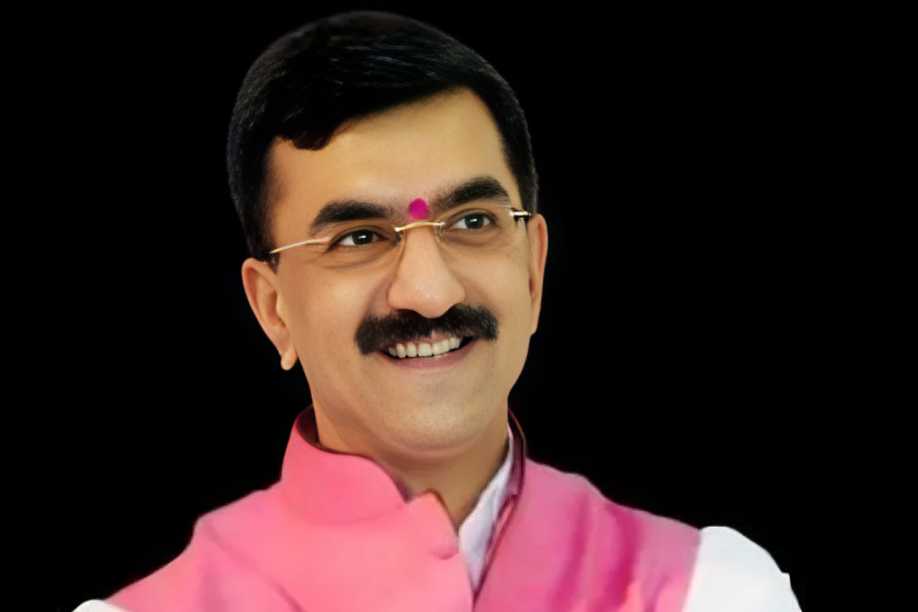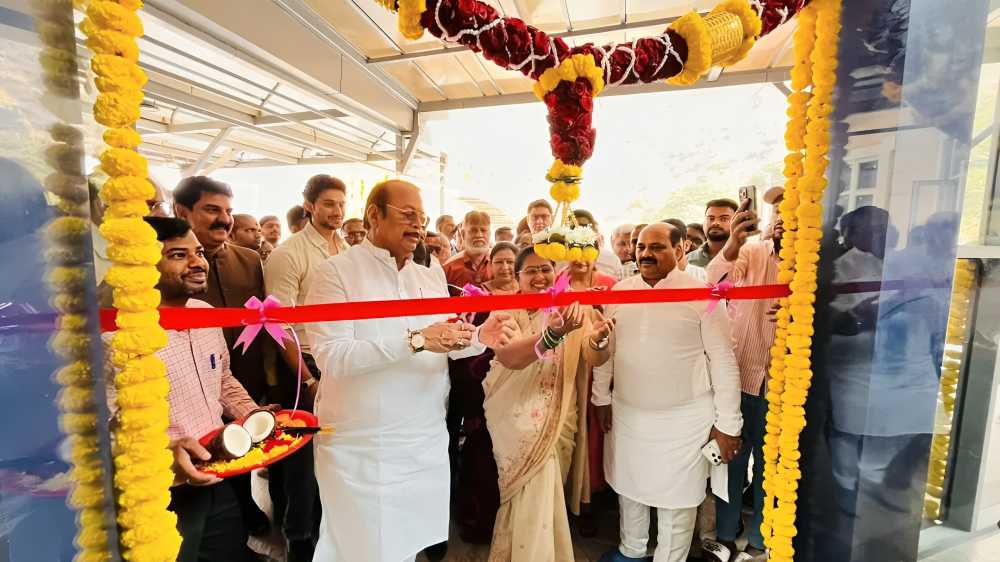

January 23, 2026: After more than a decade of delays, the Malanggad Funicular Railway in Thane district has finally been opened to the public, marking a significant milestone for heritage tourism and accessibility in the region. The project was inaugurated by local legislators Sulbha Ganpat Gaikwad and Kishan Kathore, bringing to fruition a long-pending vision first conceived in 2013.
Stretching 1.2 kilometres, the cable-operated system is India’s first funicular railway and also the longest of its kind in the country. It dramatically shortens the journey to Malanggad Fort, reducing what was once a demanding two-hour uphill trek to a comfortable ride of just 10 minutes. The railway connects the foothills to the summit that houses the historic Malanggad Fort, believed to date back to the Maurya period, along with the revered Mahadev Temple, a major draw for pilgrims.
Until now, reaching the fort required visitors to undertake a physically taxing climb, limiting access largely to seasoned trekkers. Senior citizens, devotees, families with children and people with mobility challenges often found the ascent difficult or unfeasible. With the funicular now operational, Malanggad has become accessible to a much broader and more diverse group of visitors, significantly improving inclusivity at the heritage site.
The project’s completion comes after years of hurdles, including changes in technical design, funding constraints and administrative transitions. These factors repeatedly pushed back timelines, testing public patience and confidence. Despite these setbacks, the railway’s opening is being widely welcomed as a landmark achievement that balances tourism development with public convenience.
Officials and local stakeholders believe the funicular will not only boost footfall at Malanggad but also support the local economy by encouraging tourism-related activities in the surrounding areas. More importantly, it sets a precedent for using modern transport solutions to improve access to historic and religious sites without compromising safety or visitor comfort, potentially serving as a model for similar projects across the country.