
January 24, 2026: The Maharashtra cabinet has approved the allotment of a 3.6-acre plot in Sector 12 of Ulwe, Navi Mumbai, to the Tirumala Tirupati Devasthanams (TTD) at a symbolic rate of Re 1 per square metre for the construction of a Sri Padmavathi Ammavari Temple. The decision was taken at a cabinet meeting held on January 17 and chaired by Chief Minister Devendra Fadnavis.
Along with the nominal pricing, the cabinet has waived the applicable land premium and infrastructure charges. The move follows earlier decisions by the state to offer land at concessional rates to religious institutions in select locations. The plot falls within an area administered by the City and Industrial Development Corporation (CIDCO), where land values have risen sharply in recent years.
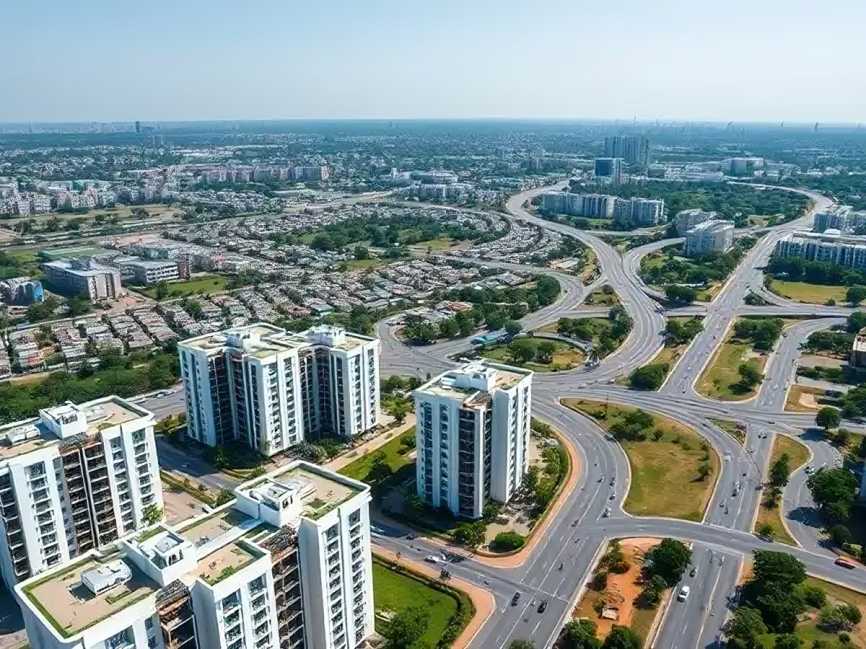
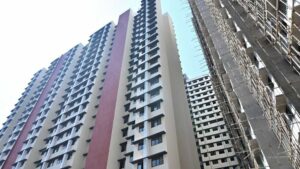
Ulwe has gained prominence as a growth centre due to large infrastructure projects such as the Navi Mumbai International Airport and the Mumbai Trans-Harbour Link, also known as Atal Setu. These projects have accelerated residential and commercial development, allocating land at a token rate a notable intervention.
CIDCO officials said the land was initially examined under the authority’s standard policy, which typically involves market-linked pricing. However, TTD requested treatment in line with earlier allotments in Navi Mumbai and Bandra East, where land was provided at nominal rates for religious use. The cabinet cited these precedents, along with the trust’s religious and non-profit status, while approving the concession.
The proposed temple is expected to cater to devotees from across the Mumbai Metropolitan Region and nearby districts. TTD officials have said the project aims to reduce the need for devotees to travel long distances to Andhra Pradesh for worship. The trust will fund, build and manage the temple independently.
State officials said large religious institutions often contribute to local economic activity by drawing regular footfall and supporting tourism-linked services. The temple, planned in line with Dravidian architectural traditions, is expected to add to such activity, although construction timelines have not been announced.
CIDCO is expected to issue the formal allotment letter after procedural steps are completed, following which statutory approvals and design work will begin. The decision has also renewed debate around concessional land allocations in high-growth urban areas.