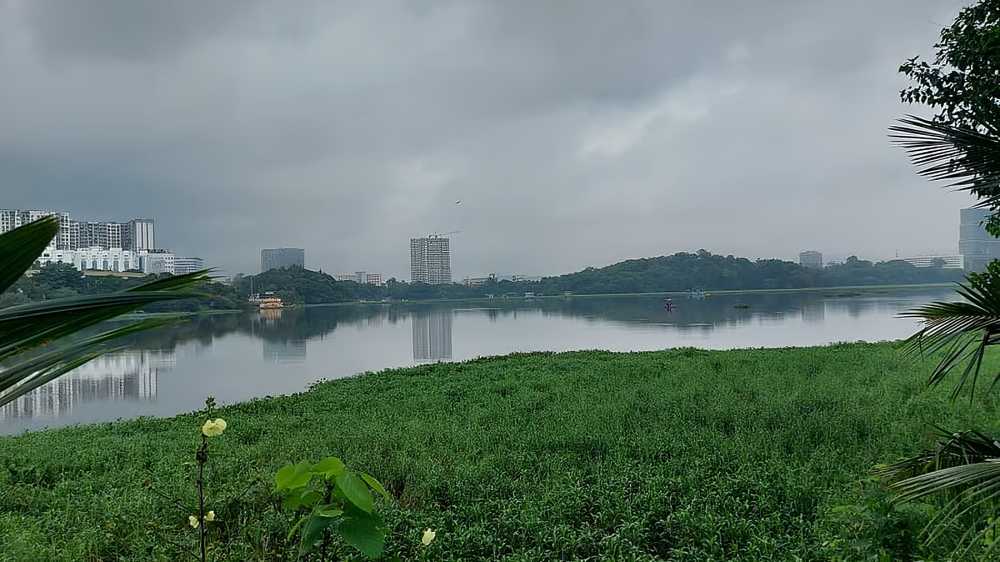

January 27, 2026: In a major win for citizen activism and environmental conservation, the Brihanmumbai Municipal Corporation (BMC) has begun work to stop raw sewage from entering Mumbai’s iconic Powai Lake, targeting a complete diversion by May 2026. The 210-hectare waterbody, long choked by weeds and polluted inflows, has faced decades of neglect, prompting sustained pressure from citizen groups and environmentalists. NatConnect Foundation escalated the issue to the Prime Minister’s Office, Maharashtra Chief Minister’s Office, and the BMC, turning Powai Lake into a benchmark for citizen-led environmental accountability.
According to the civic body, approximately 18 million litres per day (MLD) of untreated sewage currently enters the lake through multiple inlets, fueling aggressive weed growth, reducing dissolved oxygen, and threatening biodiversity, including legally protected marsh crocodiles and fish. Powai Lake is recognised as a major wetland by the Union Ministry of Environment, Forest and Climate Change.
BMC deputy municipal commissioner Shashank Bhore outlined the diversion plan during a recent stakeholder meeting. A 2 MLD stream has already been rerouted via a sewer line near Peru Baug to the Mithi River sewage treatment plant. The largest portion—8.05 MLD from gates 1 to 14—will be treated at a new plant near Suvarna Mandir, Powai, or temporarily diverted to the Bhandup Pumping Station, which is being upgraded to handle 225 MLD by April–May 2026. The remaining 7.8 MLD from gates 15 to 18 is being redirected to an existing 800 mm sewer line that feeds Bhandup. Additionally, 1.1 km of new sewer infrastructure from the L&T stretch has been completed.
Environmentalists emphasize that stopping sewage is the most crucial step. “For years, crores were spent skimming weeds while 18 MLD of untreated sewage kept pouring in. That is not restoration—it is denial,” said B N Kumar, director of NatConnect Foundation.
Legal oversight continues, with an NGT-mandated committee warning of penalties for ongoing pollution. Powai Lake, which is home to marsh crocodiles and IUCN-listed species, may also seek Ramsar site status to secure stronger protection. Pamela Cheema of the Advanced Local Management Committee said, “This action came only after relentless public pressure. Powai Lake proves that informed citizens, when they persist, can force governance systems to respond.”
The initiative marks a decisive step toward restoring one of Mumbai’s most ecologically significant urban wetlands.
Source: Deccan Herald