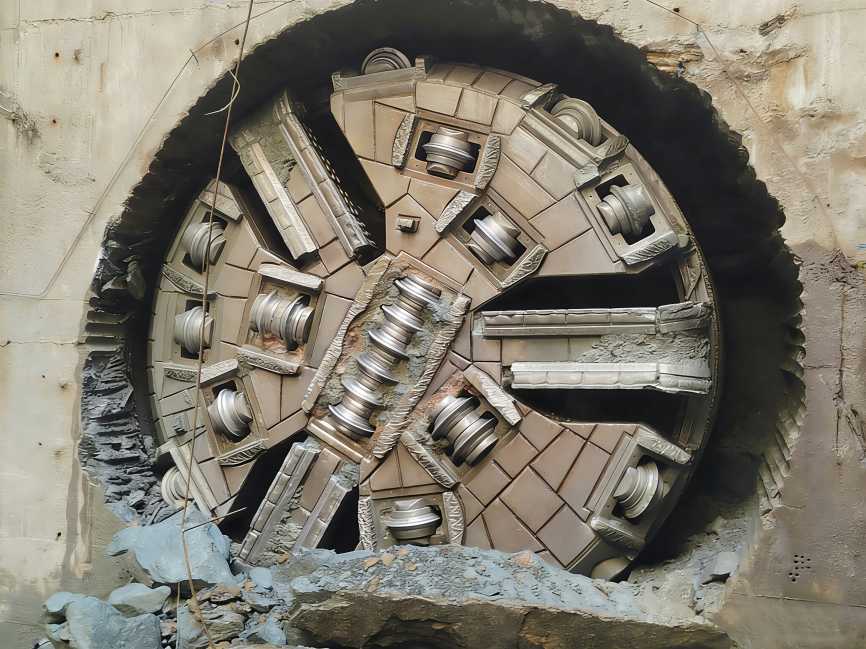

A major construction milestone has been achieved on Mumbai’s wastewater infrastructure with a successful tunnelling breakthrough on Priority Sewer Tunnel 1 (PST-1), part of the Mumbai Sewer Disposal Project (MSDP) Stage II. The work is being executed by an MEPL joint venture for the Brihanmumbai Municipal Corporation (BMC) and forms a key element of the city’s long-term plan to modernise its sewerage system.
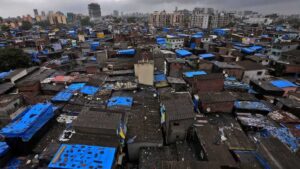
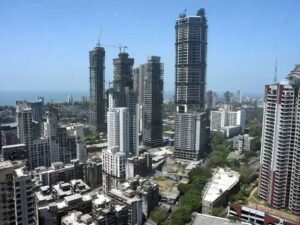
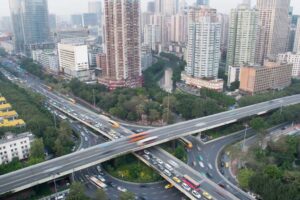
PST-1 involves the development of a deep sewer tunnel with a finished internal diameter of 3.2 metres and a total length of around 5.8 kilometres. The tunnel alignment runs beneath some of Mumbai’s most densely built-up neighbourhoods, passing below major arterial roads as well as residential and commercial developments. Given these conditions, construction has required tight control over excavation processes and continuous monitoring to limit any impact on the surface.
Tunnelling operations are being carried out using a 3.85-metre diameter Terratec rock slurry tunnel boring machine (TBM). Since achieving the first breakthrough at Malad West, progress has remained consistent, with approximately 4.5 kilometres of tunnelling completed to date. Following the most recent breakthrough, preparations are underway to begin the final stretch of excavation, covering the remaining 1.2 kilometres required to complete the tunnel.
The project has been executed under challenging urban constraints. Crews have had to work in close proximity to existing structures, underground utilities and environmentally sensitive zones. To address these risks, comprehensive monitoring systems have been deployed to track ground movement, tunnel alignment and settlement in real time, ensuring the safety of surrounding infrastructure throughout the construction process.
Once operational, Priority Sewer Tunnel 1 will play a vital role in Mumbai’s wastewater conveyance network. The tunnel will channel sewage to downstream treatment plants and marine outfalls, significantly reducing the release of untreated wastewater into local drains, creeks and the Arabian Sea. The project is expected to deliver long-term environmental gains, including improved coastal water quality and a more resilient sewerage system for the city’s growing population.
Source: The Tunelling Journal