
Beneath Mumbai’s crowded streets and relentless pace of life, a parallel transformation is quietly taking shape. Away from the noise above ground, a complex network of tunnels, stations and infrastructure is being engineered to redefine how the city moves and functions. This unseen layer of development is central to Mumbai’s long-term mobility and urban resilience, and the Mumbai Metropolitan Region Development Authority (MMRDA) is at the heart of this effort.
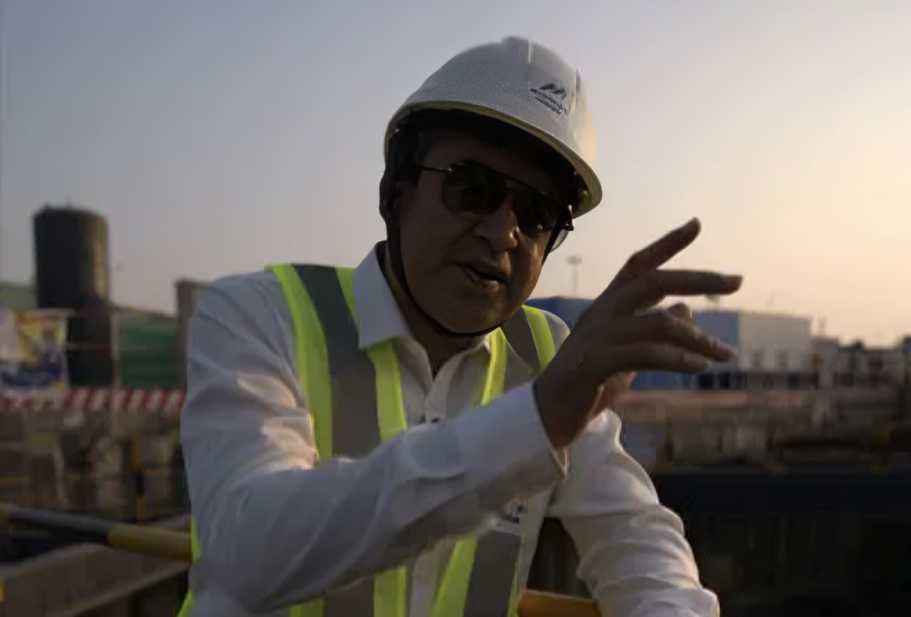
During a site walkthrough in the late afternoon, Dr Sanjay Mukherjee, Metropolitan Commissioner of MMRDA, offered a glimpse into this subterranean future. The visit highlighted how underground construction is no longer an option but a necessity for a city constrained by limited surface space and growing population pressures. With roads saturated and land availability shrinking, Mumbai’s next phase of infrastructure growth must move below ground.
MMRDA’s underground projects are part of a broader strategy to decongest the city while improving connectivity across the Mumbai Metropolitan Region. Metro corridors, underground stations and integrated transit systems are being designed to move large volumes of commuters efficiently without further burdening surface infrastructure. These projects are not only about transport but also about freeing up urban space, reducing travel times and improving the overall quality of life.
Engineering underground infrastructure in Mumbai comes with unique challenges. The city’s dense built environment, complex geology, high water table and proximity to the coastline demand advanced planning, precision engineering and constant monitoring. Each phase of construction requires coordination between multiple agencies, strict safety protocols and minimal disruption to life above ground.
Despite these constraints, progress has been steady. Tunnel boring machines, advanced construction techniques and real-time data systems are enabling projects that would have been nearly impossible a decade ago. The focus is on long-term durability, safety and integration with existing transport networks.
MMRDA’s underground vision represents a fundamental shift in how Mumbai approaches growth. Instead of expanding outward or upward alone, the city is now investing in depth. This hidden infrastructure may remain largely invisible to commuters, but its impact will be felt every day, shaping a faster, more connected and more sustainable Mumbai for decades to come.
Source: Construction World