
The expansion of Mumbai’s transport infrastructure is once again drawing attention to the complex issue of rehabilitation, as families displaced by a major project in central Mumbai raise concerns over their resettlement. The dispute has emerged around the Sewri–Worli Elevated Corridor, a key east–west connectivity project intended to reduce congestion and lower travel-related emissions across the city.
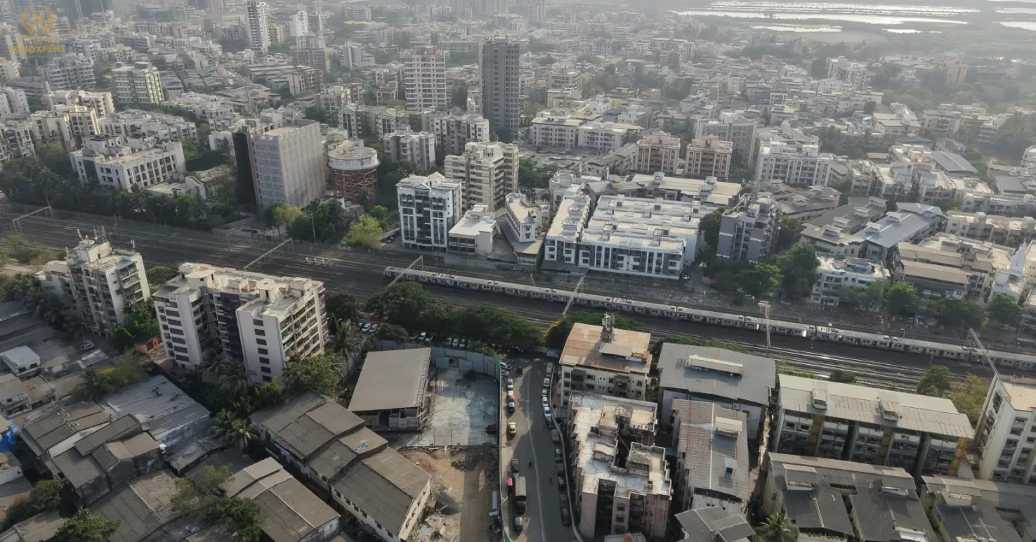
Several project-affected persons (PAPs) from two ageing residential buildings near Elphinstone Road are facing relocation as their homes fall along the corridor’s alignment. While authorities had earlier suggested that affected families would be rehabilitated close to their original neighbourhood, residents now say their allotted homes are scattered across distant parts of Mumbai. According to families and community representatives, these relocations threaten established livelihoods, children’s schooling and long-standing social networks that are central to daily life in dense inner-city areas.
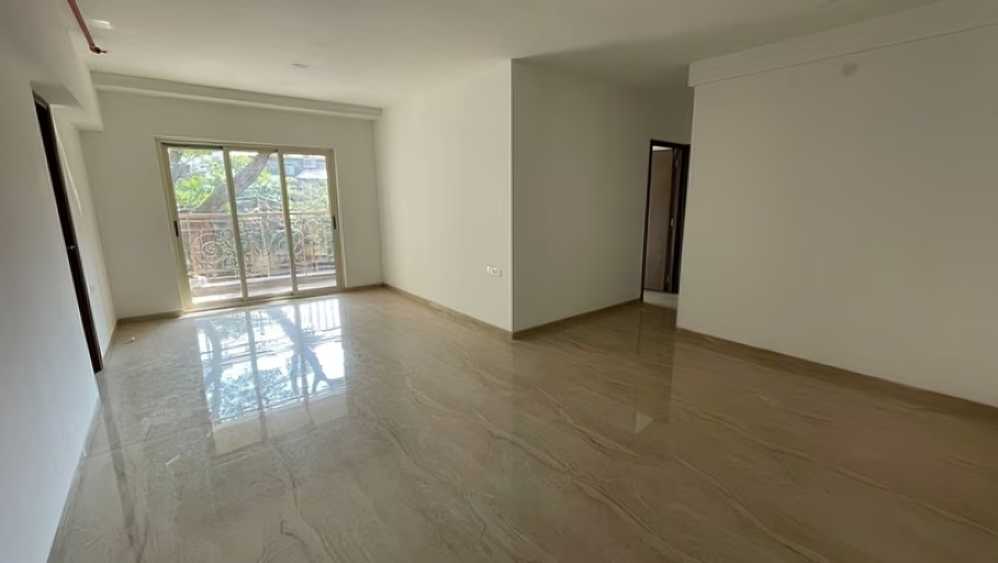
Residents also point to concerns over the quality and suitability of rehabilitation housing. Some allotted buildings reportedly lack essential services, including fully functional elevators, raising questions about habitability. Community members argue that this approach undermines the widely accepted principle of in situ or near-site rehabilitation, which urban planners consider critical for socially sustainable redevelopment.
The issue is further complicated by the presence of an ongoing cluster redevelopment proposal in the same locality. The plan, which seeks to combine several old buildings into a comprehensive redevelopment project, is currently awaiting approvals from the state’s urban development authorities. Local residents believe inclusion in this scheme would allow them to remain close to workplaces and transit hubs, aligning rehabilitation with long-term neighbourhood renewal rather than dispersal.
Urban policy experts note that as infrastructure expansion increasingly overlaps with redevelopment zones, coordination between transport agencies, housing bodies and developers becomes essential. Poorly aligned rehabilitation, they warn, can create social and economic stresses that weaken the goals of compact, transit-oriented growth.
Financial concerns have also surfaced, with some PAPs being asked to pay additional amounts for slightly larger rehabilitation units. Housing rights advocates argue that such costs disproportionately impact families already bearing the hidden expenses of displacement.
Officials maintain that allotments were issued to prevent delays to the corridor project but acknowledge that unresolved rehabilitation issues can slow progress. The episode highlights a familiar challenge for Mumbai: delivering infrastructure quickly while ensuring inclusive and people-centred urban development.
Source: Urban Acres