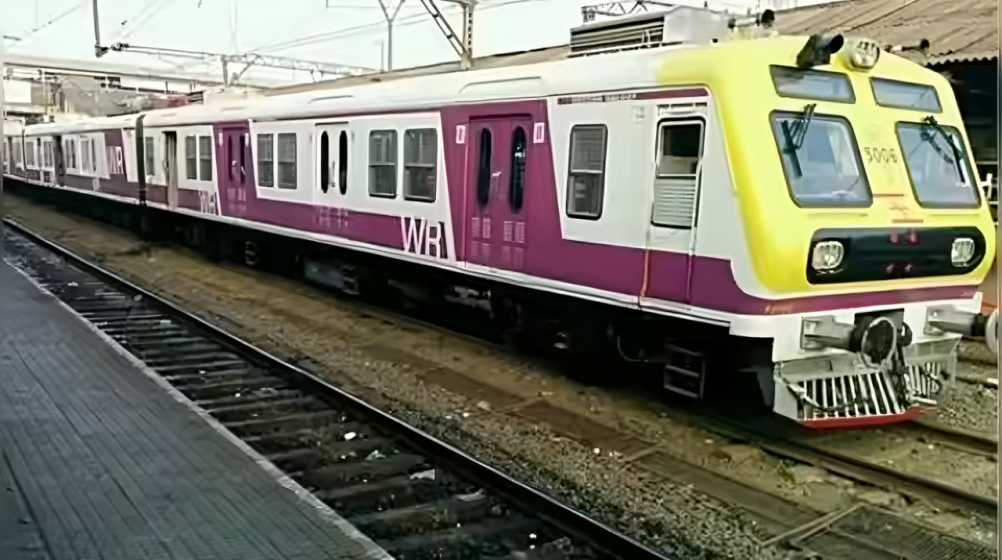

Mumbai’s suburban rail network, the city’s most critical lifeline, is poised for a significant boost as Central Railway (CR) and Western Railway (WR) have jointly sought approval for 100 new local train rakes from the railway ministry. The proposal aims to replace ageing rolling stock while supporting a sharp increase in services driven by large-scale transport and infrastructure upgrades across the Mumbai Metropolitan Region.
A key reason behind the request is the condition of the existing fleet. Many suburban rakes currently in operation have either reached or are close to completing their prescribed working life. Replacing these older trains has become essential to ensure passenger safety, operational reliability and service efficiency for the millions who depend on Mumbai’s local trains every day. Railway officials indicate that without timely replacement, maintaining present service levels itself could become challenging.
The demand for new rakes is also closely linked to capacity expansion across the suburban network. Multiple new lines, additional corridors and route extensions are under construction on both Central and Western Railways. As these projects are commissioned, they will allow more train services and higher frequencies, especially during peak hours. However, increased train paths mean little without sufficient rolling stock, making the induction of new rakes a pressing requirement.
At present, railway infrastructure projects spanning a combined length of 400.53 kilometres are underway across the CR and WR networks. These projects include new suburban corridors, extra lines on existing routes and major upgrades to current infrastructure. Together, they are expected to significantly increase the carrying capacity of Mumbai’s local trains, but they also place additional pressure on an already stretched fleet.
The scale of investment underlines the importance of these upgrades. Projects being executed under the Mumbai Urban Transport Project are estimated to cost around ₹18,365 crore. This investment covers track construction, line expansion and station and system improvements, all aimed at delivering more reliable and frequent suburban services. The request for new rakes is seen as a necessary parallel investment to fully realise the benefits of this infrastructure push.
At the same time, the Mumbai Railway Vikas Corporation has already taken steps to modernise the fleet in the long term. Tenders have been floated for 238 new air-conditioned suburban rakes to improve passenger comfort, particularly on longer routes. However, these AC trains are not expected to enter regular service before 2030, creating a significant gap between rising demand and future supply.
To bridge this gap, CR and WR have stressed the need for interim procurement of additional rakes. These trains would help manage growing ridership, replace obsolete units and ensure service efficiency until the new-generation AC rakes are ready for induction.
Currently, Central Railway operates around 1,820 daily services using a mix of 12-car and 15-car rakes, including both non-AC and AC units, across its Main, Harbour, Trans-Harbour and Port lines. Western Railway runs about 1,406 services with a similar combination of rake types. Both zones are steadily increasing the proportion of 15-car trains to accommodate rising passenger numbers.
With plans to further expand 15-car services on both networks, the requirement for additional suburban rakes is expected to grow even more urgent. The proposed induction of 100 new rakes is therefore seen as a critical step toward easing overcrowding, maintaining service reliability and supporting Mumbai’s rapidly expanding suburban rail infrastructure.
Source: The Times of India