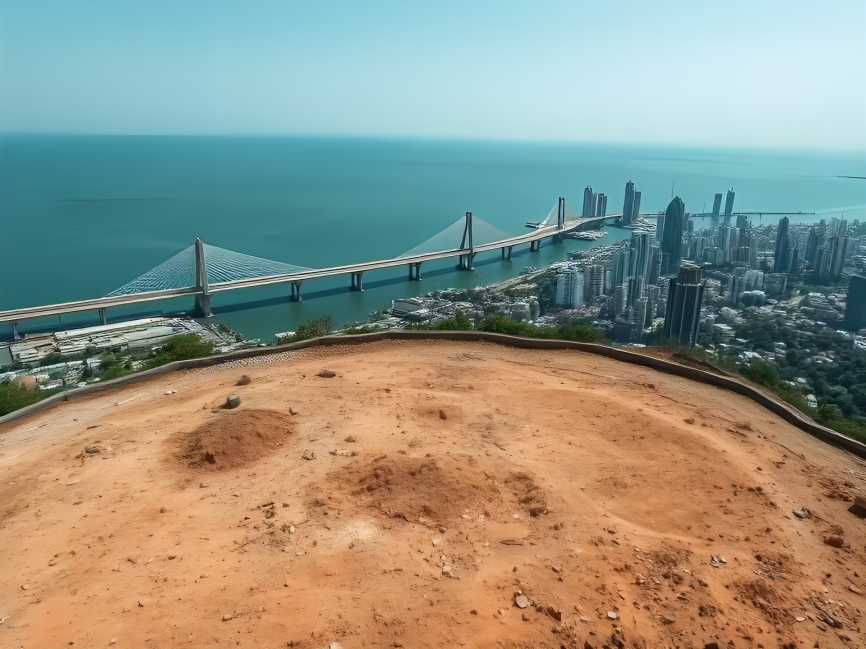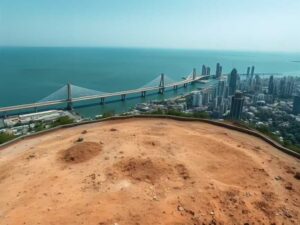

Mumbai’s proposed Orange Gate–Marine Drive tunnel, designed to strengthen east–west connectivity in South Mumbai, is set to move into the construction phase. With an estimated cost of ₹80.56 billion, the project will link Orange Gate on the eastern side, near the Eastern Freeway, to Marine Drive along the city’s western waterfront, offering a faster and more direct route across the island city.
According to officials, the tunnel alignment has been revised and will now terminate at Jawahar Bal Bhavan in Girgaon. The project is being described as one of Mumbai’s most complex underground road developments, as the tunnel will pass beneath existing metro corridors, railway lines, heritage zones, and densely populated residential and commercial areas. Careful planning and advanced engineering will be required to navigate these constraints while minimising disruption on the surface.
Currently, commuters travelling from the Eastern Freeway towards Marine Drive and other parts of South Mumbai rely on congested arterial roads such as P D’Mello Road, the Carnac (Sindoor) Bridge, and the GPO junction. During peak traffic hours, this journey can take 25 to 30 minutes or longer due to heavy congestion and traffic bottlenecks. Once the tunnel is operational—expected between mid and end 2028—the same commute is projected to be completed in approximately five minutes.
The new underground link is expected to significantly reduce traffic pressure on surface roads, improve traffic flow across the east–west corridor, and contribute to lower fuel consumption and vehicle emissions. Officials believe the project will also enhance overall commuting efficiency and reliability for daily travellers in South Mumbai.
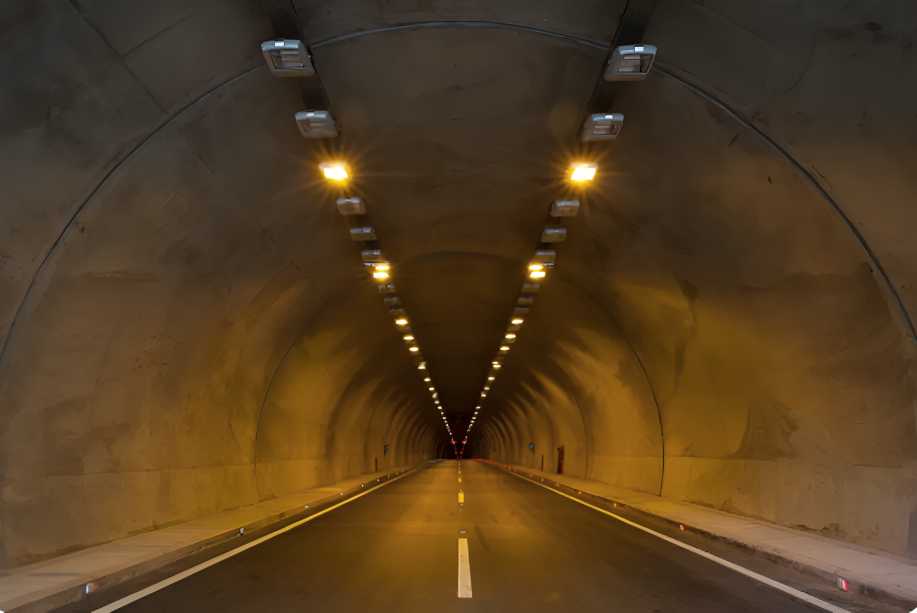
The tunnel will have a total length of nearly 10 km, with around seven km constructed underground at depths ranging from 12 metres to as much as 52 metres below ground level. It will be developed as a twin-tube tunnel, comprising two parallel tunnels to separately carry eastbound and westbound traffic. Each tube will include two traffic lanes and a dedicated emergency lane. For safety, cross-passages will be provided at intervals of approximately 300 metres.
To accommodate existing infrastructure such as Mumbai Metro Line 3, the tunnel will descend to a maximum depth of about 47 to 52 metres in certain sections. The project will incorporate modern systems for ventilation, lighting, fire detection and suppression, and traffic management, in line with contemporary urban tunnel safety and operational standards.
Once completed, the Orange Gate–Marine Drive tunnel is expected to serve as a critical mobility link, reshaping travel patterns and improving connectivity across South Mumbai’s eastern and western corridors.
Source: Construction World