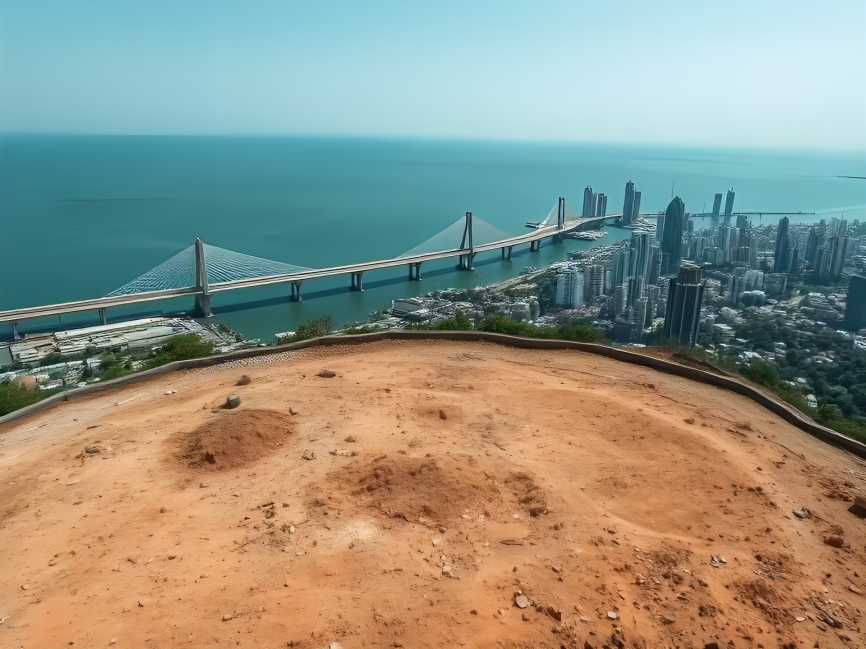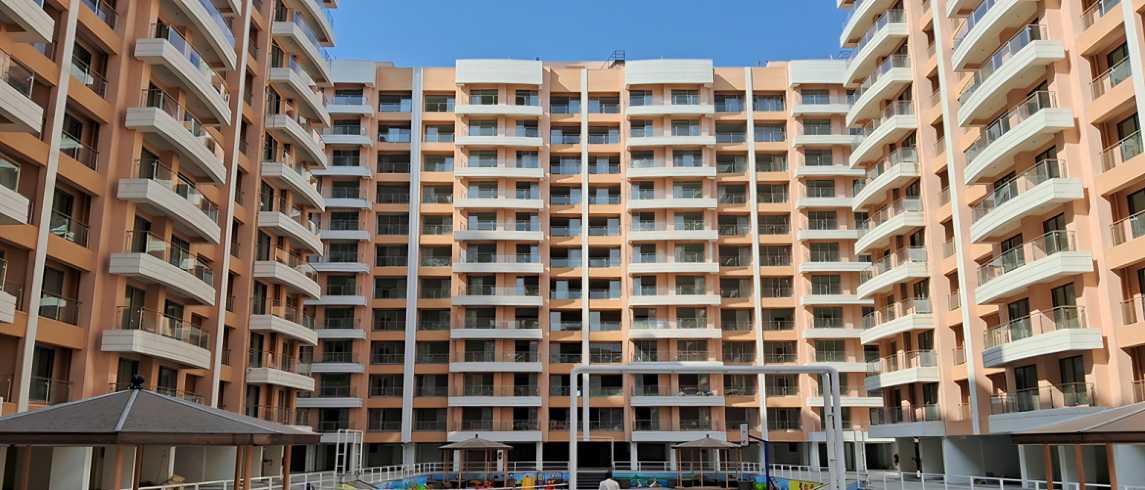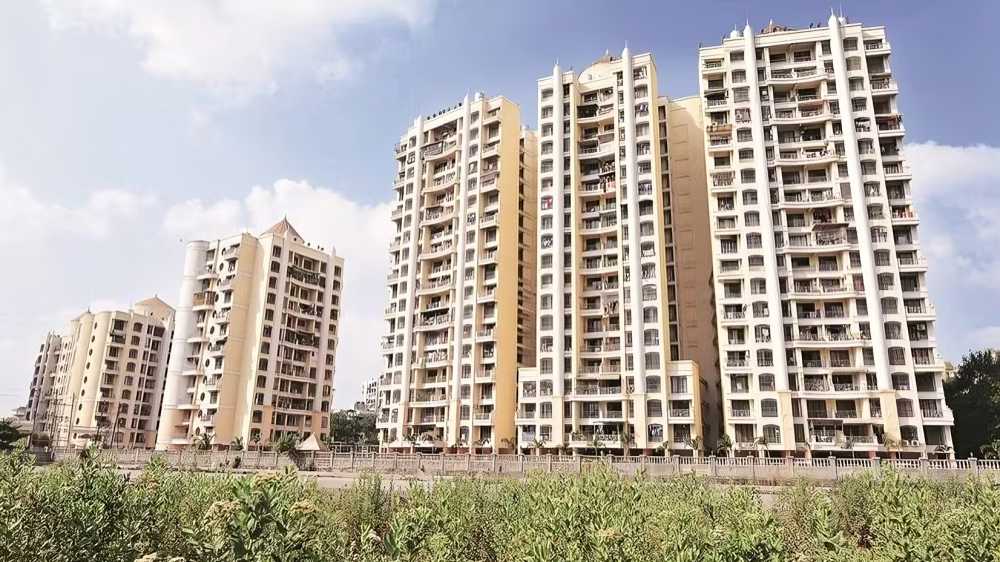
The City and Industrial Development Corporation (CIDCO) of Maharashtra has outlined a long-term approach to guide and stabilise urban growth across the state through infrastructure-led and sustainable planning. Established to ease congestion and socio-economic pressure in older urban centres, CIDCO’s mandate focuses on developing self-reliant cities supported by integrated physical and social infrastructure.
At the core of CIDCO’s mission is the creation of safe and environment-conscious urban settlements that offer consistent living standards while reducing disparities in access to basic services. The development of Navi Mumbai stands as a key example of this approach, reflecting the authority’s belief that planned infrastructure can prevent the congestion and imbalance seen in many rapidly growing Indian cities. As Maharashtra experiences a new phase of urban expansion, this principle continues to shape the state’s planning framework.
CIDCO is currently aligning housing, transport and public services within unified master plans designed to manage growth without compromising quality of life. Its development strategy combines rational housing pricing, transparent allotment mechanisms and structured land monetisation, ensuring that revenue generated from land development is reinvested into infrastructure creation.
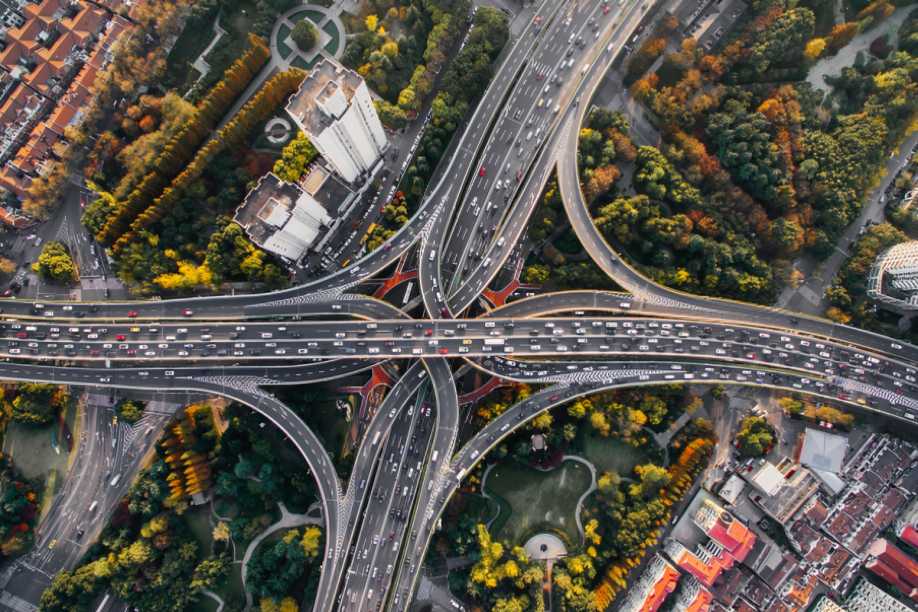
Transport and connectivity form a major component of CIDCO’s planning model. Coordinated mobility plans are being prepared to integrate public transport systems, private vehicles and non-motorised transit. These frameworks are linked with large infrastructure projects such as the Navi Mumbai International Airport, suburban rail expansions and metro corridors, all aimed at improving connectivity, easing congestion and lowering emissions.
Urban infrastructure initiatives also extend to utilities, particularly water supply systems required to support fast-growing urban nodes. CIDCO has adopted multi-source water supply strategies and tunnel projects to strengthen service resilience and address both present demand and future population growth.
CIDCO’s vision rests on the idea that urban growth must be guided through structured planning rather than reactive expansion. Planned development across nodes including Navi Mumbai, Panvel and Ulwe integrates housing, transport and open spaces, presenting a model that balances economic development, social needs and environmental considerations while accommodating Maharashtra’s expanding urban footprint.
Source: Prop News Time