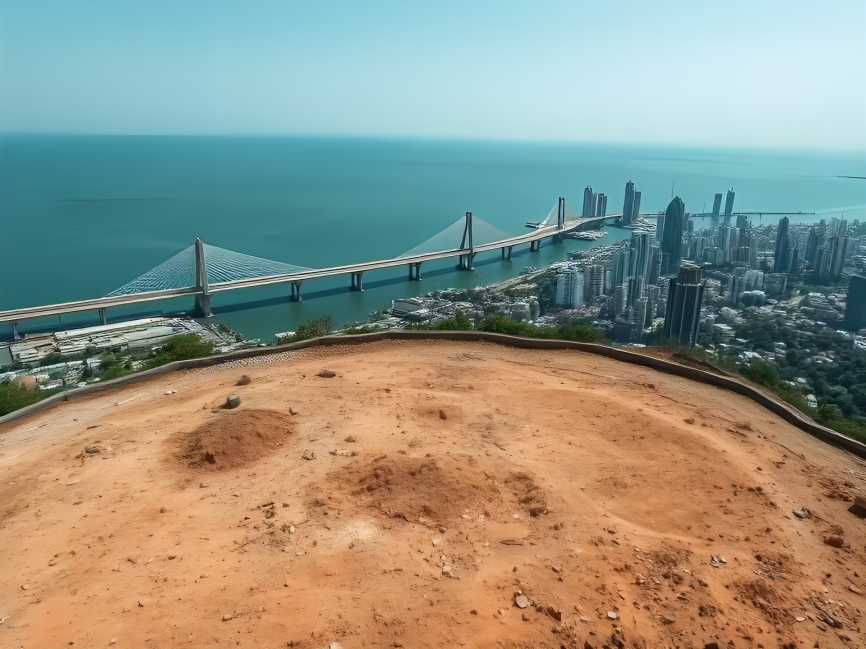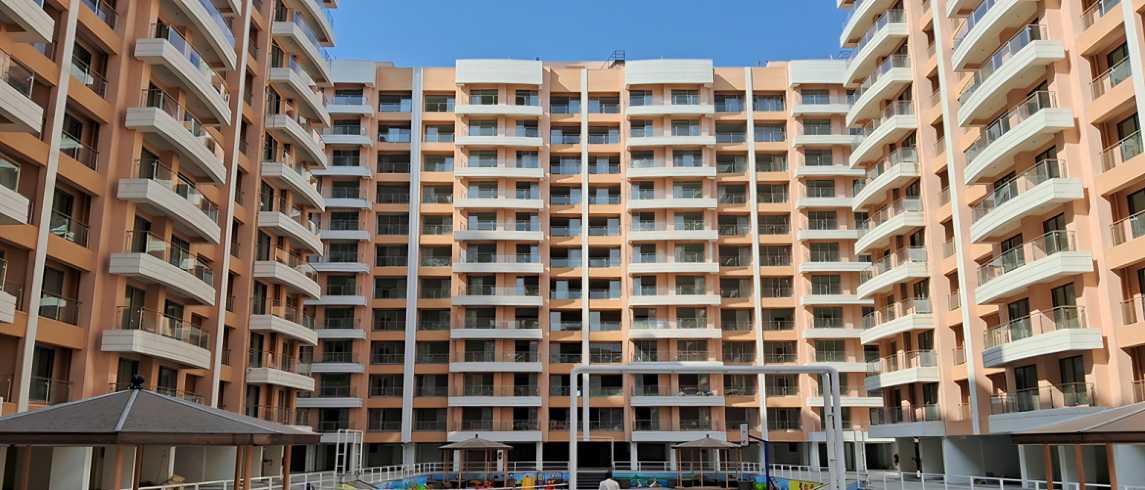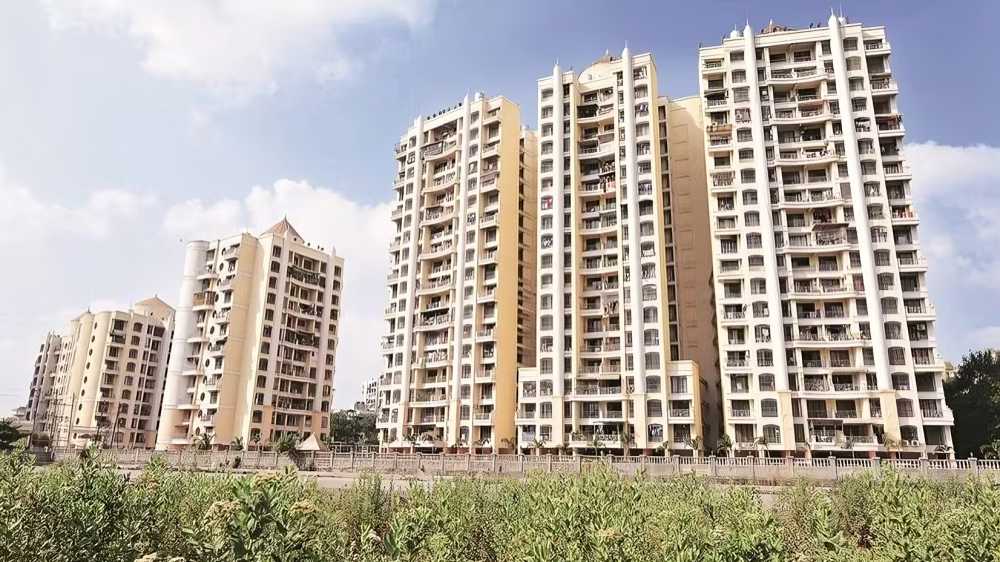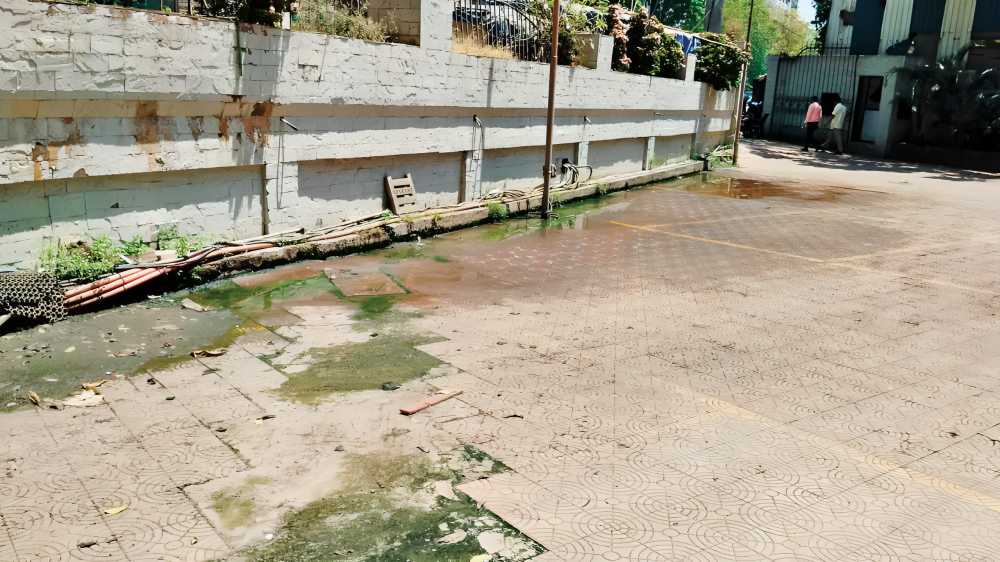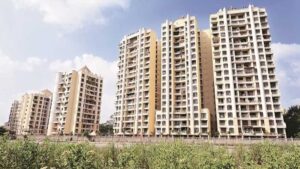

India’s ageing residential stock is setting the stage for a sustained redevelopment cycle across major metropolitan markets, creating a predictable and scalable growth opportunity for real estate developers over the next two decades. A significant share of housing in large cities is now over 30 to 40 years old, built under outdated planning norms with lower densities and limited structural life. As land availability in central areas tightens, redevelopment has evolved from a niche activity into a core urban supply strategy.
Redevelopment offers a clear advantage: older buildings are typically located in well-established neighbourhoods with access to schools, workplaces, hospitals, public transport, and commercial infrastructure. Residents seek safer, better-designed homes, while developers gain entry into prime micro-markets where fresh land parcels are scarce. This alignment of interests has made redevelopment one of the most reliable ways to add housing without expanding city boundaries.
Over time, the segment has become more structured. Earlier challenges—ranging from approval delays to disputes within housing societies—often deterred large developers. Greater regulatory clarity, digital approval systems, and the introduction of RERA have reduced uncertainty. Developers have responded by creating specialised teams for legal coordination, community engagement, and design, helping shorten timelines and build trust. In markets such as Mumbai, redevelopment projects typically deliver returns in the 14–18% range, supported by strong end-user demand.
The scale of opportunity is significant. An estimated one crore urban homes built before 2000 will require renewal in the coming years. Mumbai and the wider MMR lead activity, with over 25,000 buildings eligible for redevelopment. Knight Frank estimates that ongoing society-led projects could add more than 44,000 homes worth Rs 1,305 billion by 2030. Pune, Bengaluru, Hyderabad, Chennai, and older NCR precincts are also seeing rising momentum, though at varying speeds.
The entry of long-term investment funds has further strengthened the segment. These investors favour redevelopment for its proven land value, visible demand, and measurable progress. As transport infrastructure improves across cities, redevelopment is expected to become one of the primary ways Indian metros renew ageing precincts while supporting future growth.
Source: Constuction Week